Top 4 Caves around Las Palmas De Gran Canaria
Best caves around Las Palmas De Gran Canaria offer insights into the island's pre-Hispanic past and natural formations. Gran Canaria features diverse landscapes, from volcanic terrain to coastal areas. The region provides a blend of archaeological sites and natural cave systems. These locations reflect the island's history and geological characteristics.
Best caves around Las Palmas De Gran Canaria
- The most popular caves is Cave of Four Doors, a cave that features artificially expanded cave rooms. This unique cave complex of the ancient Canarians on Montaña Bermeja includes dwelling caves, granaries, and areas likely used as places of worship.
- Another must-see spot is Cave with Water Trough, a cave that was historically used to preserve food or as shelter during work days. This site represents an example of the many caves found in the ravine.
- Visitors also love Entrance to the Cave, a natural cave. This location offers an exploration opportunity, requiring attention to its two stairs and one level crossing.
- Las Palmas De Gran Canaria is known for artificial cave complexes, natural rock formations, and historical dwelling caves. The area provides a variety of cave types, from archaeological sites to natural shelters.
- The caves around Las Palmas De Gran Canaria are appreciated by the komoot community, with 71 upvotes and 139 photos shared by users.
Last updated: July 18, 2026
Cave of Four Doors
Highlight • Cave
Translated by Google •
Tip by

Along the cliff
Highlight • Cave
because it could have been worse. 🙏🙏🙏
Today I have screws and plates in my foot 👣
But if I had known the danger
Of that place
I would never have come to this place
I still haven't gotten over it and I've had 3 operations
And I'm still not well..
To get to this place you go around a cliff where the ground is loose and it's easy to fall off the cliff..
Then inside the cave it's dark and there's a risk of falling
To the floor below..
⬇️ why aren't there
protection fences or anything marked
In one of those holes is where I fell 4 meters high and broke my leg..
There's also no mobile coverage 📱 to ask for help!..
So I ask Everyone who wants to go...
think about it before going,...
because life is the best thing we have,
and we only have it once and it is better not to risk it...
There are many wonderful places to go without risk!
Translated by Google •
Tip by

Sign up now to discover places like this
Get recommendations on the best single tracks, peaks, & plenty of other exciting outdoor places.
Sign up for free
Cave with Water Trough
Highlight • Cave
Translated by Google •
Tip by

Abandoned Old Finca with Caves and Ruins
Highlight • Historical Site
Translated by Google •
Tip by

Entrance to the Cave
Highlight • Cave
Translated by Google •
Tip by

Sign up for free to discover even more caves around Las Palmas De Gran Canaria.
Sign up for free
Already have an account?
Start today with a free account
Your next adventure awaits.
Login or Signup
Popular around Las Palmas De Gran Canaria
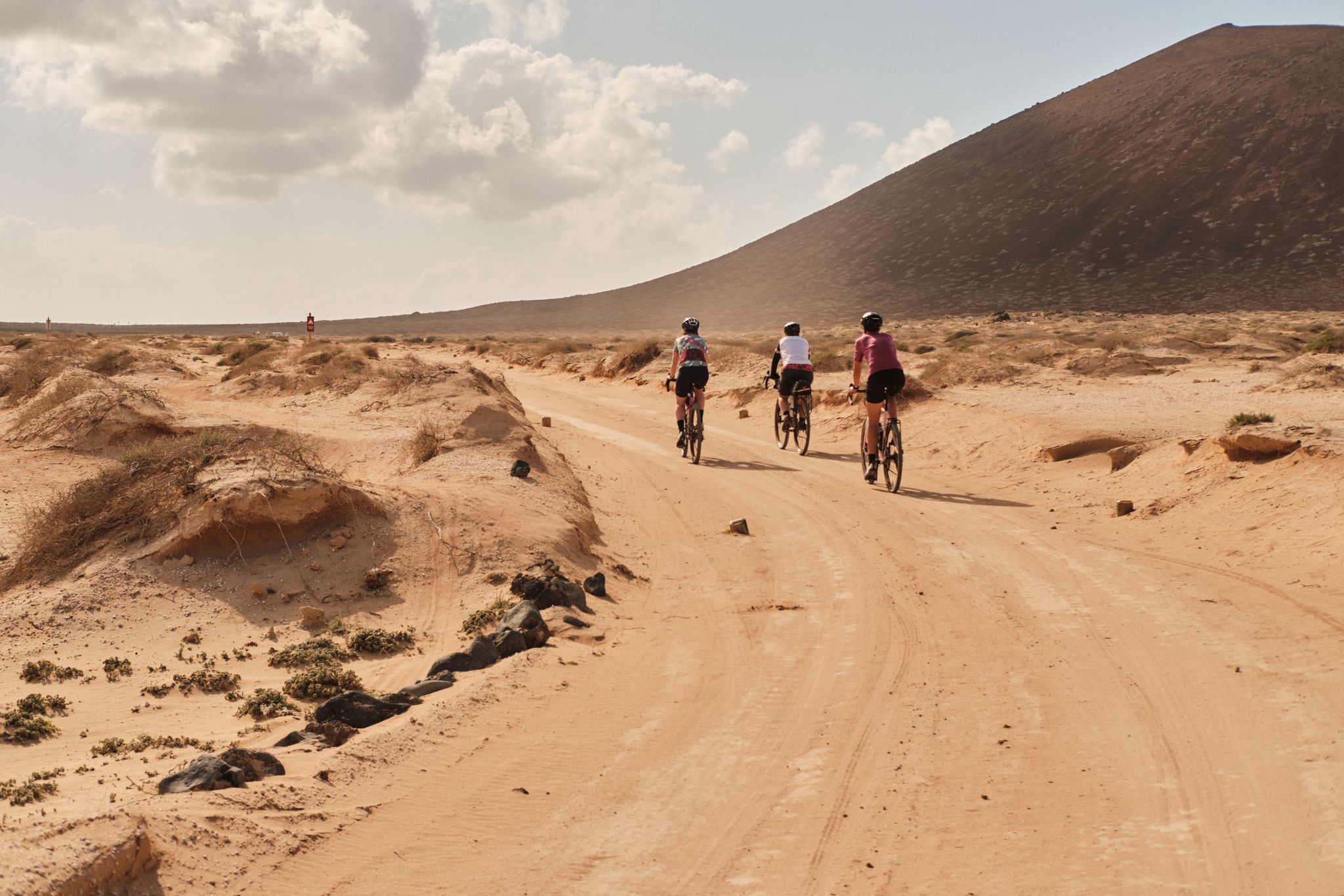
GranGuanche gravel – Komoot women's rally 2023
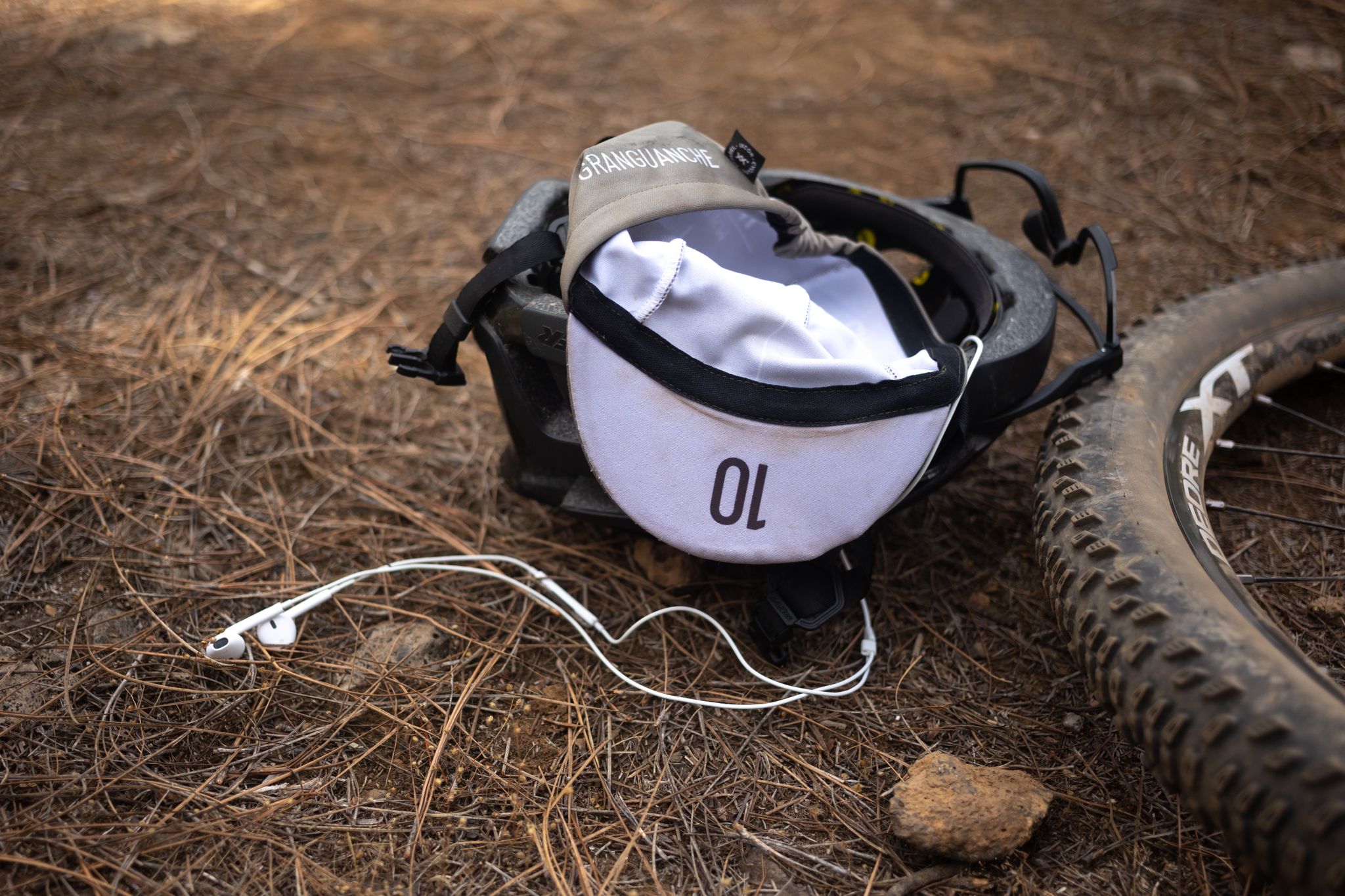
GranGuanche Audax Trail – my first ultra race on the Canary Islands
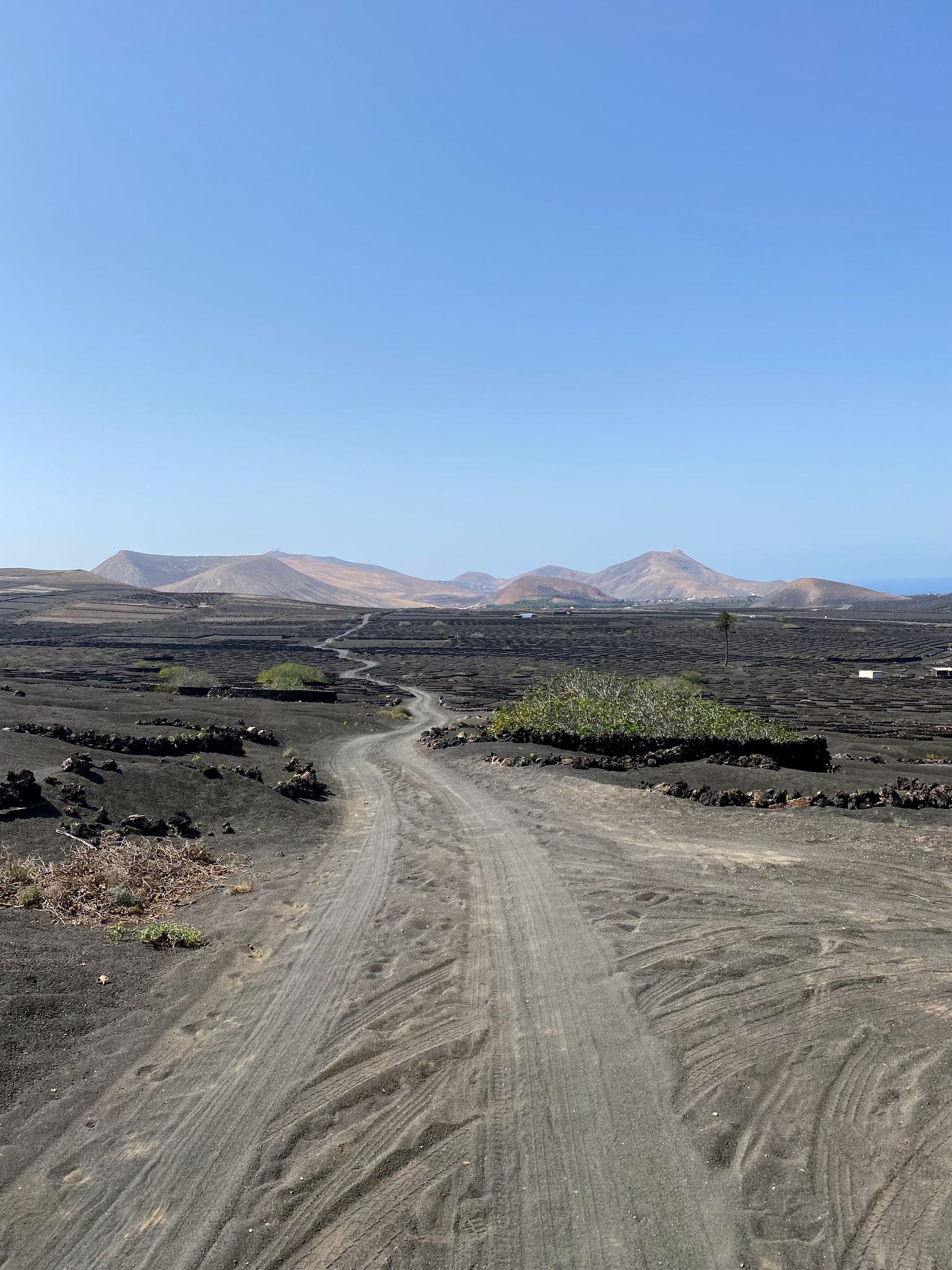
Bikepack in the Canary Islands – surprising adventures in the sun
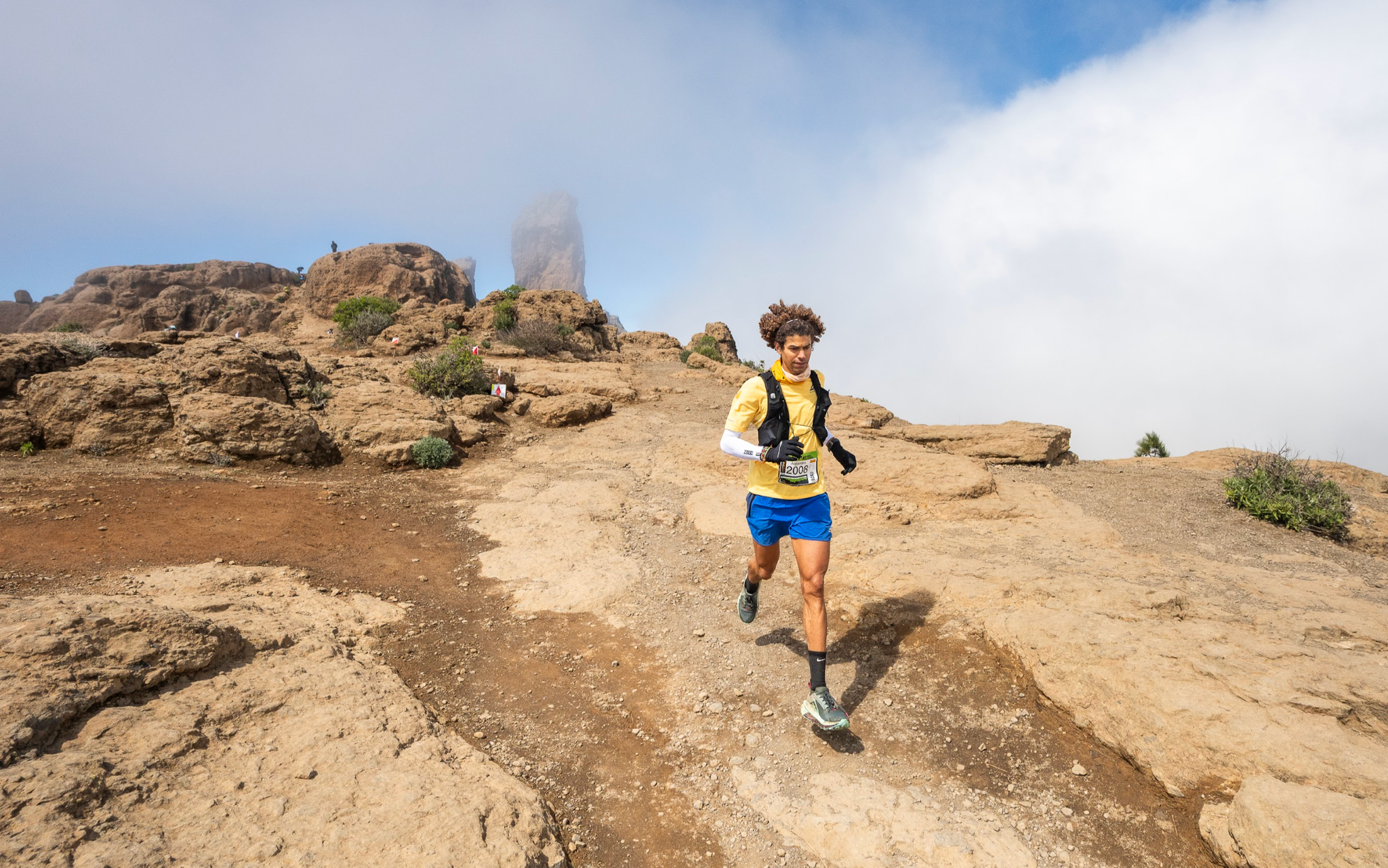
Trail on the Canary Islands – discover the legendary races!
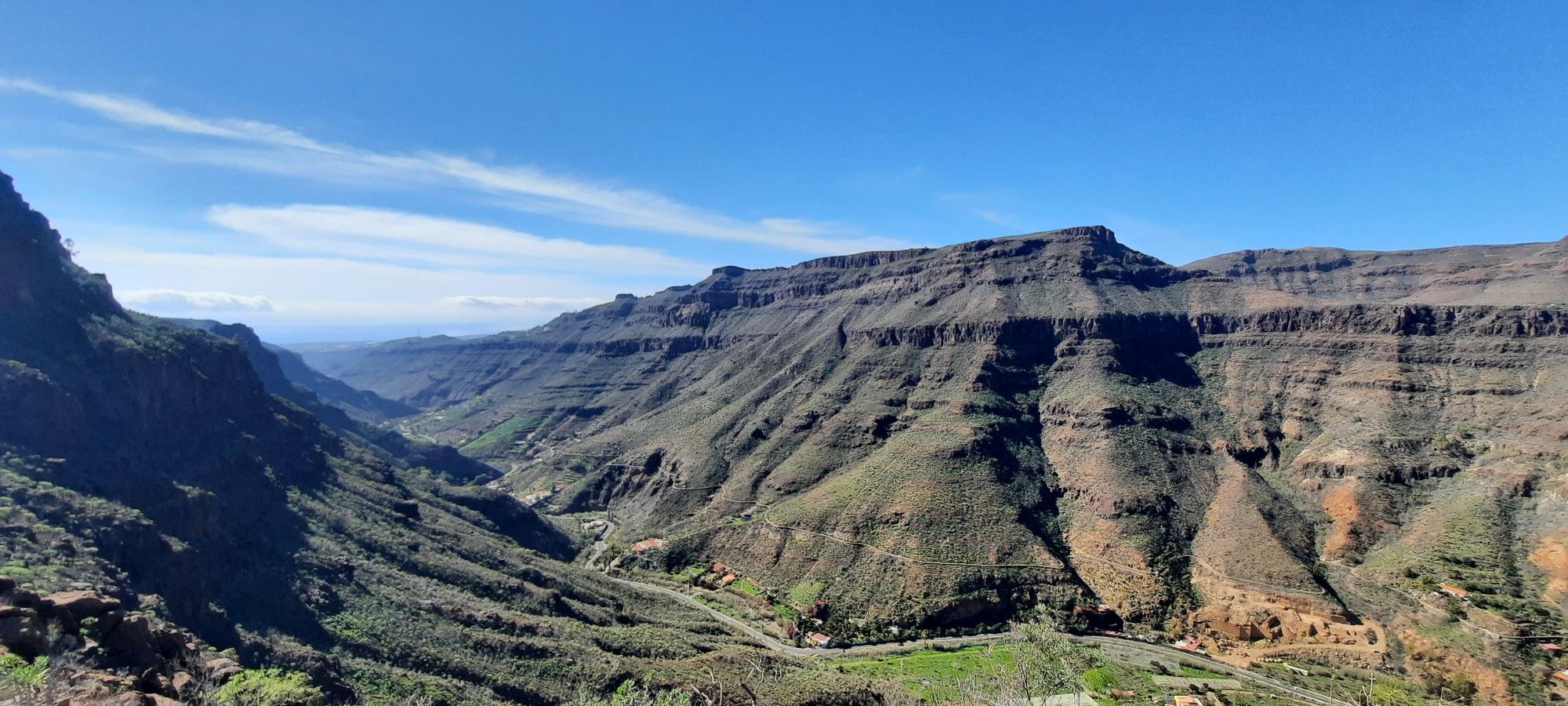
The challenge of the year — Transgrancanaria Classic

GranGuanche Audax Gravel — five islands in two and a half days
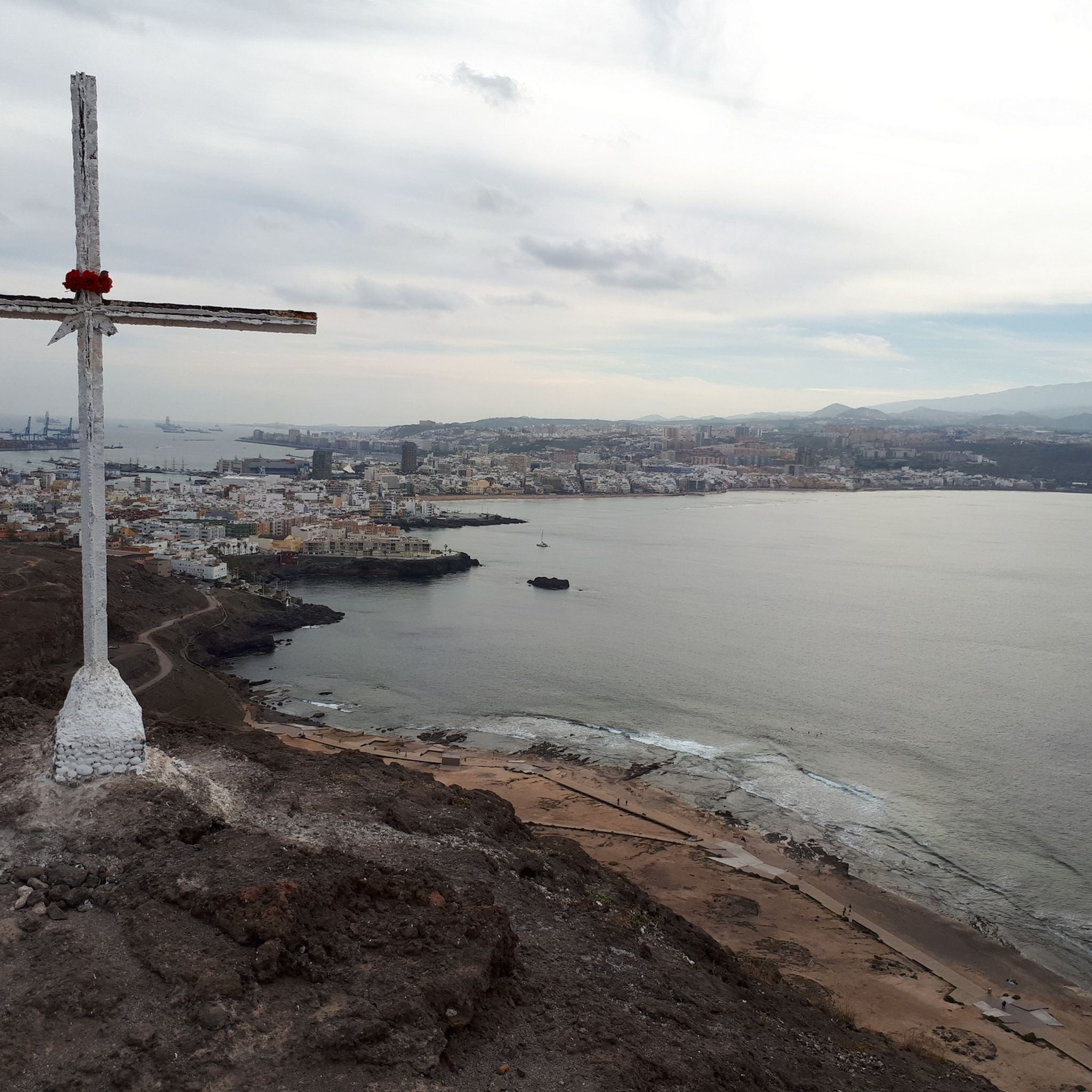
Hiking around Las Palmas De Gran Canaria
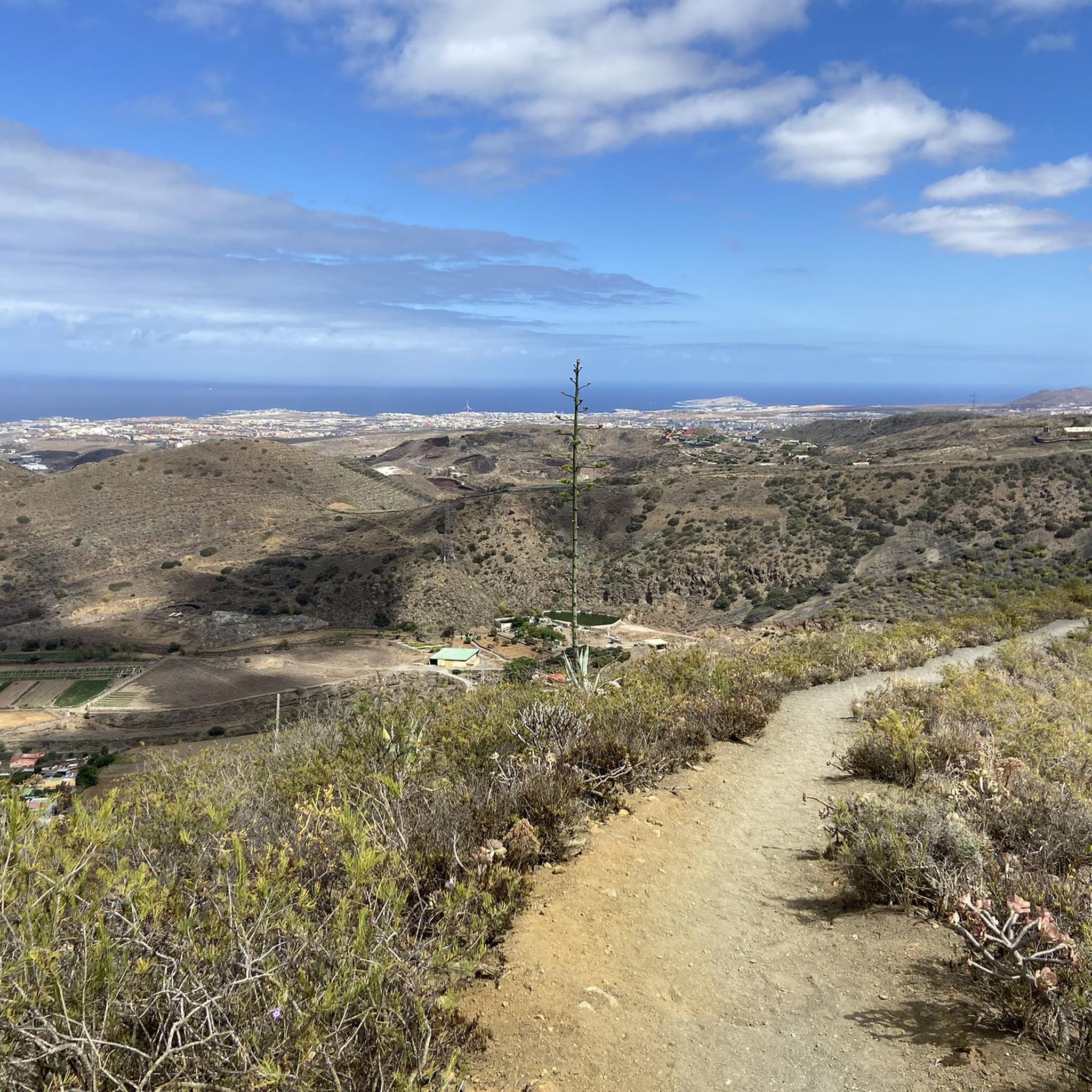
Running Trails around Las Palmas De Gran Canaria
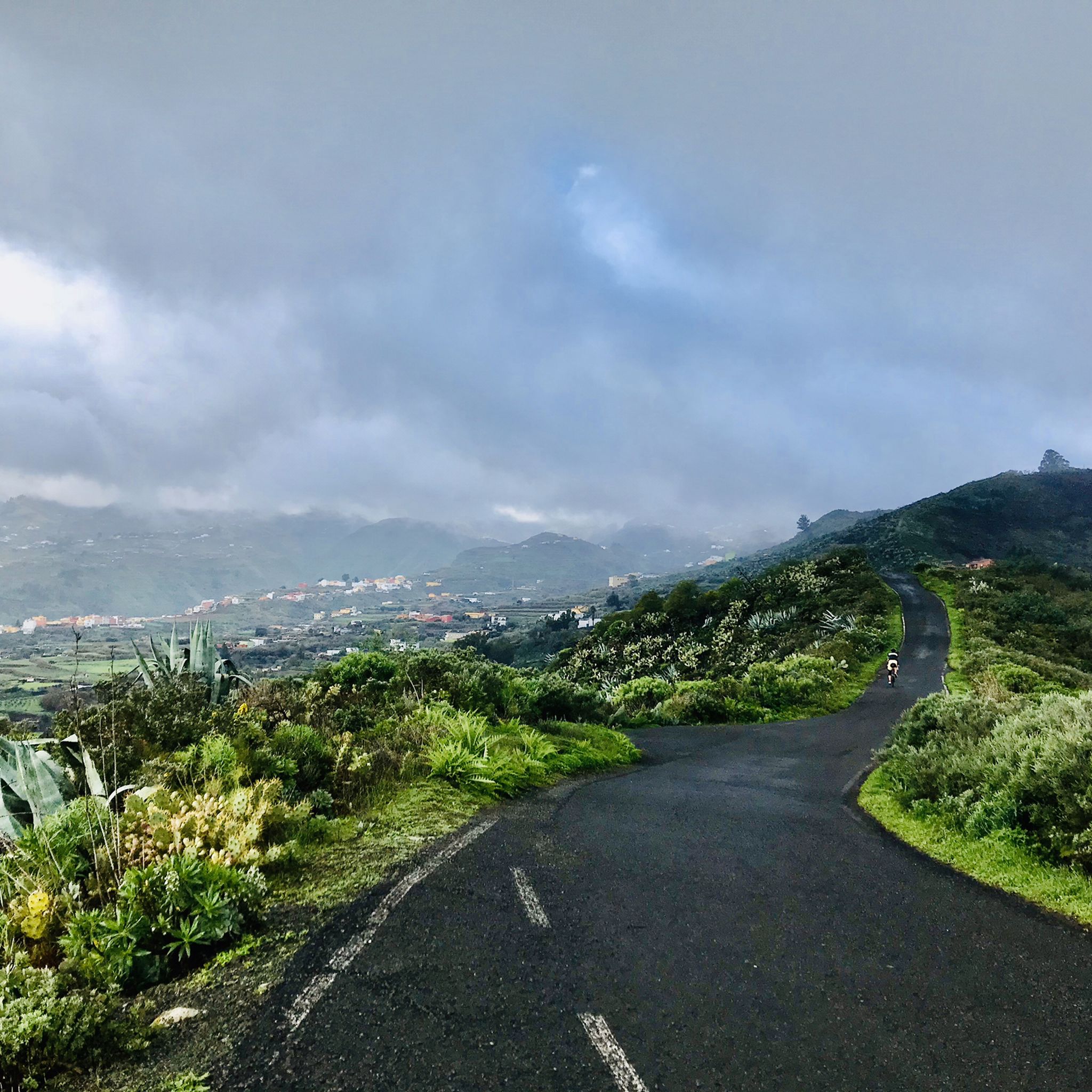
Road Cycling Routes around Las Palmas De Gran Canaria
Cycling around Las Palmas De Gran Canaria
Other adventures around Las Palmas De Gran Canaria


Tips from the Community

Someone used to have a beautiful home here.
0
0

The abandoned old finca has, in addition to the old buildings, caves, water source and water channel
2
0

This is an example of the many caves that the ravine has. In the past they were used to preserve food or as shelter during bad weather during work days.
1
0


beautiful circuit through the laurel trees
0
0

Pay attention to 2 stairs and 1 level crossing. Some danger if you don't go with attention and care.
0
0

Today, November 24, 2024, and after 2 years after the fall, I know that I was reborn that day.. because it could have been worse. 🙏🙏🙏 Today I have screws and plates in my foot 👣 But if I had known the danger Of that place I would never have come to this place I still haven't gotten over it and I've had 3 operations And I'm still not well.. To get to this place you go around a cliff where the ground is loose and it's easy to fall off the cliff.. Then inside the cave it's dark and there's a risk of falling To the floor below.. ⬇️ why aren't there protection fences or anything marked In one of those holes is where I fell 4 meters high and broke my leg.. There's also no mobile coverage 📱 to ask for help!.. So I ask Everyone who wants to go... think about it before going,... because life is the best thing we have, and we only have it once and it is better not to risk it... There are many wonderful places to go without risk!
1
0
In this particular place, right where the path ends, it is quite dangerous because of the stones when going down, and you can run the risk of slipping and falling into the cliff of the sea 🌊.. There is a cave at the bottom, which connects with the sea inside, going up some ruined stairs inside the cave... But very important note! 🙏 Very dangerous🛑 Because there is a part inside the cave that is not walled off and this area looks like a shadow of the cave But nothing too far from reality.. It is a 4-meter high drop and from which you will not see what is there, and you run the risk of falling! You need a flashlight 🔦 for this site Yes or yes. I repeat. Extremely dangerous since there is no telephone coverage. But I do not recommend this place I fell into a hole 🕳️ in the cave that is not walled or 🚧signposted and this area is dark I fell from 4 M high right here And I broke my leg..And I thank God 🙏that I was reborn that day..
0
0
Frequently Asked Questions
What types of caves can I explore around Las Palmas de Gran Canaria?
The region offers a diverse range of caves, from natural rock formations to significant archaeological sites. You can find ancient aboriginal dwelling caves, pre-Hispanic granaries, and caves with unique rock art. Many of these sites provide insights into the island's rich history and geology.
Which caves offer a glimpse into Gran Canaria's ancient history?
For a deep dive into history, visit the Cave of Four Doors, an ancient aboriginal complex with dwelling caves, granaries, and possible worship areas. Further afield, the Cueva Pintada in Gáldar showcases intricate indigenous artwork, and the Cenobio de Valerón in Santa María de Guía is an impressive pre-Hispanic collective granary. The Cueva de los Candiles in Artenara features unique fertility symbols carved into its walls.
Are there any family-friendly caves to visit?
Many of the archaeological sites, such as Cueva Pintada and Cenobio de Valerón, are designed with visitor facilities, making them suitable for families. They often include museums, information boards, and guided tours that are engaging for all ages. Always check specific site details for accessibility and any age recommendations.
What natural features can I expect to see in the caves?
Beyond historical significance, you can encounter various natural formations. Some caves, like the Rock Arch and Cave, offer natural rock arches and viewpoints. Others are carved into volcanic rock, showcasing the island's geological past. The Guayadeque Ravine, for instance, features hundreds of cave dwellings integrated into the natural landscape.
What outdoor activities can I do near the caves?
The area around Las Palmas de Gran Canaria offers numerous outdoor activities. You can find excellent running trails, including loops around Las Canteras and Las Alcaravaneras Beaches. For cyclists, there are diverse cycling routes, from moderate to difficult, offering views of the city and surrounding landscapes. Additionally, gravel biking is popular, with routes exploring barrancos and coastal areas.
Are there any caves that require special attention or caution?
Yes, some caves or cave-like areas may require caution. For example, the Entrance to the Cave has two stairs and a level crossing that require attention. There are also areas, such as 'Along the cliff', which have been noted by visitors as extremely dangerous due to loose ground, falling risks, and lack of mobile coverage. Always prioritize safety and be aware of your surroundings.
What is the best time of year to visit the caves in Gran Canaria?
Gran Canaria enjoys a mild climate year-round, making cave visits possible in any season. However, the cooler months from October to April might be more comfortable for exploring outdoor archaeological sites and hiking to cave entrances, as the summer heat can be intense. Always check the specific opening hours and conditions for each site.
What should I wear or bring when visiting caves?
Comfortable walking shoes are essential, especially for sites that involve walking on uneven terrain or trails. For natural caves, a flashlight can be useful. If visiting archaeological sites, consider bringing water, sun protection, and a camera. Some indoor cave museums might have cooler temperatures, so a light jacket could be beneficial.
Are there any caves within the city limits of Las Palmas de Gran Canaria?
While most major archaeological caves are a short drive from the city, the protected natural area of La Isleta, located in the north of Las Palmas de Gran Canaria, contains caves that were once part of an aboriginal village. These offer a local cave experience within the municipality itself.
What do visitors enjoy most about the caves around Las Palmas de Gran Canaria?
Visitors frequently appreciate the historical significance and unique insights into the ancient Guanche civilization. The intricate artwork at Cueva Pintada, the ingenious engineering of Cenobio de Valerón, and the cultural importance of sites like the Cave of Four Doors are often highlighted. The blend of natural beauty and archaeological wonder makes these sites particularly captivating.
Can I find viewpoints near the caves?
Yes, several cave locations offer stunning viewpoints. The Rock Arch and Cave provides scenic vistas. The Cenobio de Valerón, carved into a ravine, offers captivating views of the grain caverns and surrounding landscapes. The Cueva de los Candiles is also situated with visual dominance over its surroundings, including symbolic connections to Roque Nublo and Roque Bentayga.
Most popular routes around Las Palmas De Gran Canaria
Most popular attractions around Las Palmas De Gran Canaria

Get inspired with the komoot mobile app


Explore more
Extend your search for the best caves by checking out these guides of the top ones around Las Palmas De Gran Canaria:
