Top 18 Natural Monuments in the Kii Mountains
Best natural monuments in the Kii Mountains are found within a UNESCO World Heritage site renowned for its natural beauty and deep spiritual significance. This region, spanning Wakayama, Nara, and Mie prefectures, features diverse natural monuments. The area's status as "Sacred Sites and Pilgrimage Routes in the Kii Mountain Range" highlights the connection between its landscapes and ancient traditions of nature worship. The Kii Mountains offer a powerful combination of natural grandeur and spiritual heritage.
Best natural monuments in the…
Last updated: May 14, 2026
Nara Park Deer
Highlight • Natural Monument
Translated by Google •
Tip by

Yunomine Hot Spring
Highlight • Settlement
Translated by Google •
Tip by

Sign up now to discover places like this
Get recommendations on the best single tracks, peaks, & plenty of other exciting outdoor places.
Sign up for free
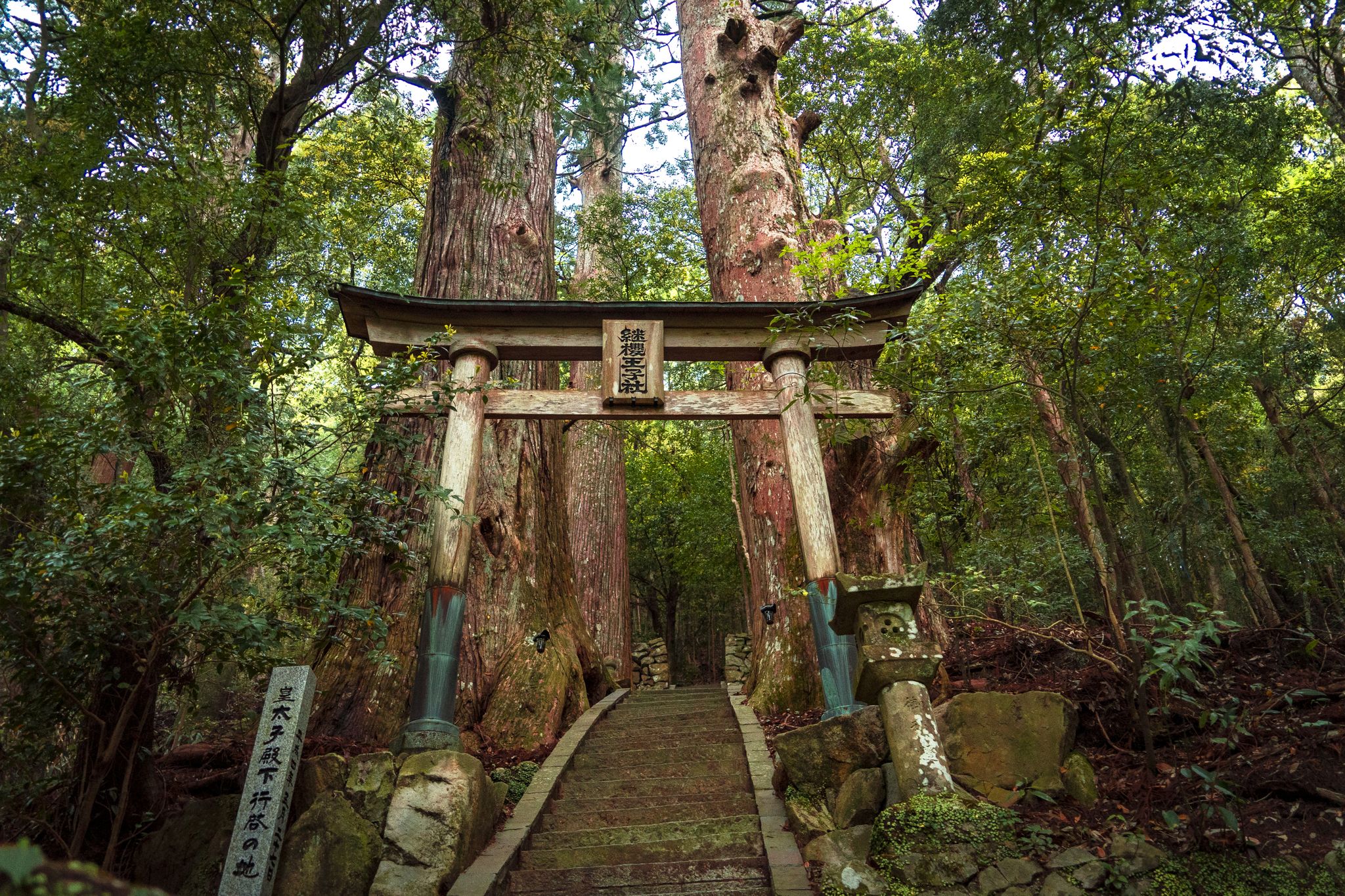
Tsugizakura Oji
Highlight • Religious Site
Translated by Google •
Tip by

Seiganto-ji Temple and Nachi Falls
Highlight • Religious Site
Translated by Google •
Tip by

View of Nara from Mount Wakakusa
Highlight • Viewpoint
Translated by Google •
Tip by

Yoshikien Garden
Highlight • Natural Monument
en.wikipedia.org/wiki/Yoshiki-en
Tip by

Uguisu Waterfall (Uguisu no Taki)
Highlight • Waterfall
Translated by Google •
Tip by
Isuien Garden and Neiraku Museum
Highlight • Natural Monument
Tip by

Sacred Camphor Tree with Prayer Chamber
Highlight • Natural Monument
Translated by Google •
Tip by

Nachi Falls (Nachi-no-Taki)
Highlight • Waterfall
Translated by Google •
Tip by
Sign up for free to discover even more natural monuments in the Kii Mountains.
Sign up for free
Already have an account?
Start today with a free account
Your next adventure awaits.
Login or Signup
Popular around Kii Mountains



Tips from the Community

As "nice" as the encounter with the Nara deer may seem at first glance, they are still animals and therefore loyal to their behavior, either instinctively or according to their life stage and gender. Conditional caution, rutting, food jealousy, and territorial demarcation could thus lead to "unpredictable" behavior...
3
0

During the rutting season, male stags can be very dominant. Warnings are issued during this time!
2
0

Nara Park is home to approximately 1,200 trusting sika deer, considered messengers of a deity and protected as living national treasures. The deer are so greedy for the biscuits (200 yen) that they even spurn grass. The male deer no longer have antlers... which is a good thing, because otherwise several tourists would be injured.
6
0

definitely worth the climb. wonderful view (and more deers) 😊
0
0


This almost thousand-year-old tree is accessible. The cave inside serves as a prayer chamber, where many prayer tablets have been deposited.
1
0

It’s an amazing place near to one of the most beautiful temples in Japan.
0
0

too many tame “sacred” Japanese deer populate the parks and paths of Nara and harass the walkers🙈
2
0
Frequently Asked Questions
What are some of the most popular natural monuments to visit in the Kii Mountains?
Among the highly-rated natural monuments, Yunomine Hot Spring is a favorite, known for its 1,800-year history and the UNESCO World Heritage-listed Tsuboyu bath. Another must-see is Nachi Falls (Nachi-no-Taki), Japan's highest single-drop waterfall, often visited alongside the nearby Kumano Nachi Taisha shrine. Visitors also appreciate Tsugizakura Oji, a religious site surrounded by gigantic 800-year-old cedars.
What unique natural features can I expect to see in the Kii Mountains?
The Kii Mountains are rich in diverse natural features. You'll find majestic waterfalls like Nachi Falls and Uguisu Waterfall, abundant natural hot springs such as Yunomine, Totsukawa, and Kawayu Onsen, and dense, ancient forests with towering cedar trees. The region also offers stunning panoramic viewpoints, like the View of Nara from Mount Wakakusa, and rugged mountain terrain.
Are there hiking trails near these natural monuments?
Yes, the Kii Mountains are renowned for their hiking opportunities, especially the ancient Kumano Kodo Pilgrimage Routes. You can find numerous trails, including those leading to waterfalls and through forests. For detailed routes, explore the Waterfall hikes in the Kii Mountains guide or the general Hiking in the Kii Mountains guide, which feature routes like the Tōdai-ji Temple – Kasuga Grand Shrine loop.
What kind of terrain can I expect on trails in the Kii Mountains?
The Kii Mountains feature diverse and often rugged terrain. Trails can range from well-maintained paths on plateaus like Odaigahara to challenging, steep ascents through dense cedar forests and deep valleys. Some sections of the Kumano Kodo are paved with weathered cobblestones. Expect significant elevation changes, especially on routes connecting sacred sites, offering both moderate and difficult options.
Are there family-friendly natural monuments in the Kii Mountains?
Absolutely. Several natural monuments are suitable for families. Nara Park Deer offers a unique experience with free-roaming deer. Yunomine Hot Spring and other onsen towns provide relaxing experiences. Gardens like Yoshikien Garden and Isuien Garden are also pleasant for all ages. Many waterfall sites, including Nachi Falls, have accessible viewing areas.
What is the best time of year to visit the natural monuments in the Kii Mountains?
The Kii Mountains offer beauty year-round, but spring (March to May) and autumn (October to November) are generally considered the best times. Spring brings lush greenery and comfortable temperatures, while autumn showcases stunning fall foliage. Summer can be hot and humid with more rainfall, and winter can bring snow to higher elevations, offering a different, serene experience for those prepared for colder conditions.
How can I reach the natural monuments in the Kii Mountains using public transport?
Public transport is available to many key natural monuments and sacred sites in the Kii Mountains. The region is served by train lines and local bus services, particularly connecting major towns and pilgrimage route trailheads. For example, buses can take you to the vicinity of Nachi Falls and the Kumano Sanzan shrines. However, some more remote areas may require a combination of public transport and walking, or private transport.
Where can I experience natural hot springs in the Kii Mountains?
The Kii Peninsula is famous for its natural hot springs. Yunomine Hot Spring is a historic site featuring the UNESCO-listed Tsuboyu bath. Other notable onsen towns include Totsukawa Onsen, known for its mountain views, and Kawayu Onsen, where you can dig your own bath in the riverbed. These offer a perfect way to relax amidst nature.
Can I see ancient forests or unique trees in the Kii Mountains?
Yes, the Kii Mountains are heavily wooded with lush forests, including old-growth and secondary-growth areas. You can encounter gigantic, ancient trees, such as the 800-year-old cedars surrounding Tsugizakura Oji, and the Sacred Camphor Tree with Prayer Chamber. These dense forests, often cloaked in mist, create a serene and mystical atmosphere.
Are there viewpoints offering panoramic views of the Kii Mountains?
Yes, the mountainous terrain provides numerous opportunities for breathtaking views. Mount Wakakusa offers an excellent view of Nara city and its surroundings. Many points along the Kumano Kodo pilgrimage routes also open up to panoramic vistas of the Kii Peninsula's rugged coastline and verdant valleys.
What do visitors enjoy most about the natural monuments in the Kii Mountains?
Visitors are consistently captivated by the powerful combination of natural grandeur and deep spiritual heritage. The sheer beauty of sites like Nachi Falls, the serene atmosphere of ancient forests, and the unique experience of sacred hot springs are highly praised. The region's status as a UNESCO World Heritage site, intertwining nature with centuries of pilgrimage, also deeply resonates with those seeking both adventure and spiritual reflection.
What makes the Kii Mountains a UNESCO World Heritage site?
The Kii Mountains are recognized as a UNESCO World Heritage site under the designation 'Sacred Sites and Pilgrimage Routes in the Kii Mountain Range.' This status highlights the profound connection between the region's stunning natural landscapes and its deep spiritual and cultural significance. It encompasses sacred mountains, forests, waterfalls, and the ancient Kumano Kodo pilgrimage routes, which have been sites of nature worship and spiritual training for over a thousand years.
Most popular routes in the Kii Mountains
Most popular attractions in the Kii Mountains

Get inspired with the komoot mobile app


Explore more
Extend your search for the best caves by checking out these guides of the top ones in the Kii Mountains:
