Top 20 Mountain Passes in Picos De Europa
Best mountain passes in Picos de Europa traverse a rugged mountain range in northern Spain, characterized by towering peaks, deep valleys, and dense forests. This region offers a diverse landscape, from high-altitude terrain to lush meadows and dramatic gorges. The passes serve as crucial connections and provide access to some of the most untouched natural areas of the Cantabrian Mountains. The area is known for its rich biodiversity and geological formations.
Best mountain passes in Picos de Europa
- The most…
Last updated: May 15, 2026
Climb to Lagos de Covadonga from Cangas de Onís
Highlight (Segment) • Climb
Translated by Google •
Tip by

Collado Pandébano
Highlight • Mountain Pass
Translated by Google •
Tip by

Sign up now to discover places like this
Get recommendations on the best single tracks, peaks, & plenty of other exciting outdoor places.
Sign up for free
Trail from Fuente Dé to Portilla de la Reina
Highlight (Segment) • Trail
Translated by Google •
Tip by

Panderrueda Pass
Highlight • Mountain Pass
Translated by Google •
Tip by

Portilla del Boquejón
Highlight • Mountain Pass
Translated by Google •
Tip by

Sign up for free to discover even more mountain passes in Picos De Europa.
Sign up for free
Already have an account?
Start today with a free account
Your next adventure awaits.
Login or Signup
Popular around Picos De Europa
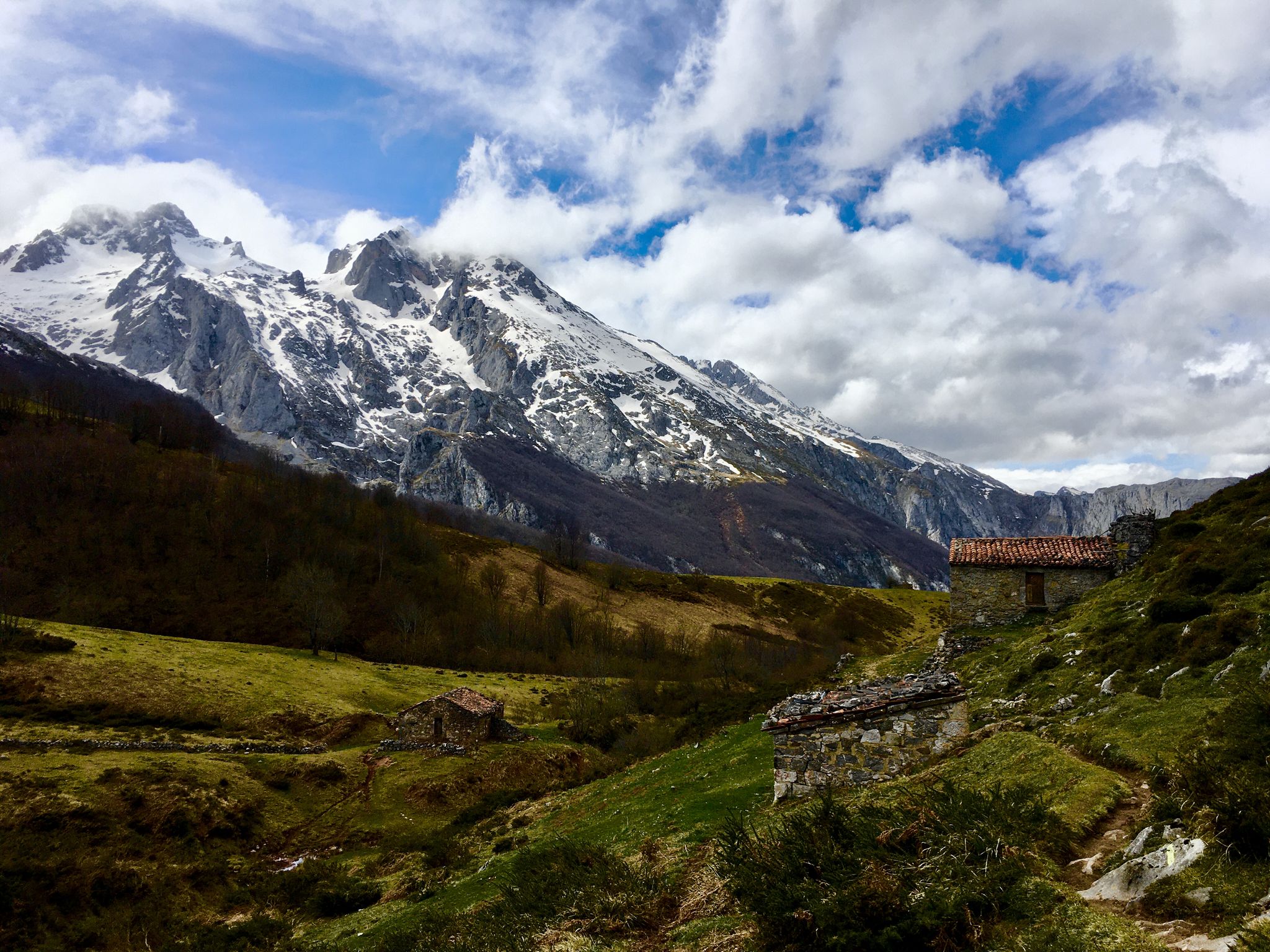
Route of the Reconquest (GR 202) – In the footsteps of an army
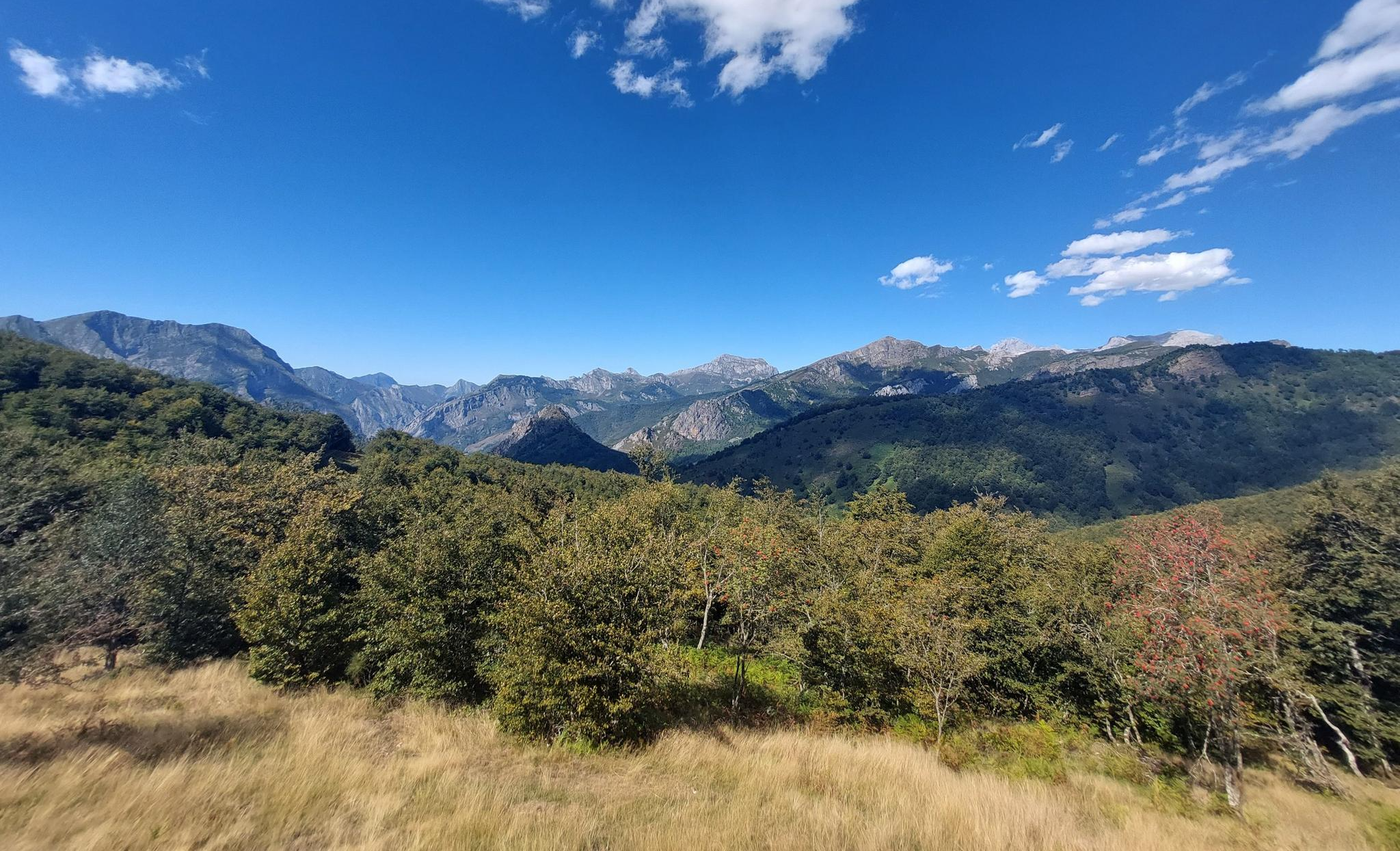
Senda del Arcediano (GR 210) - A historical hike through the Picos del Picos
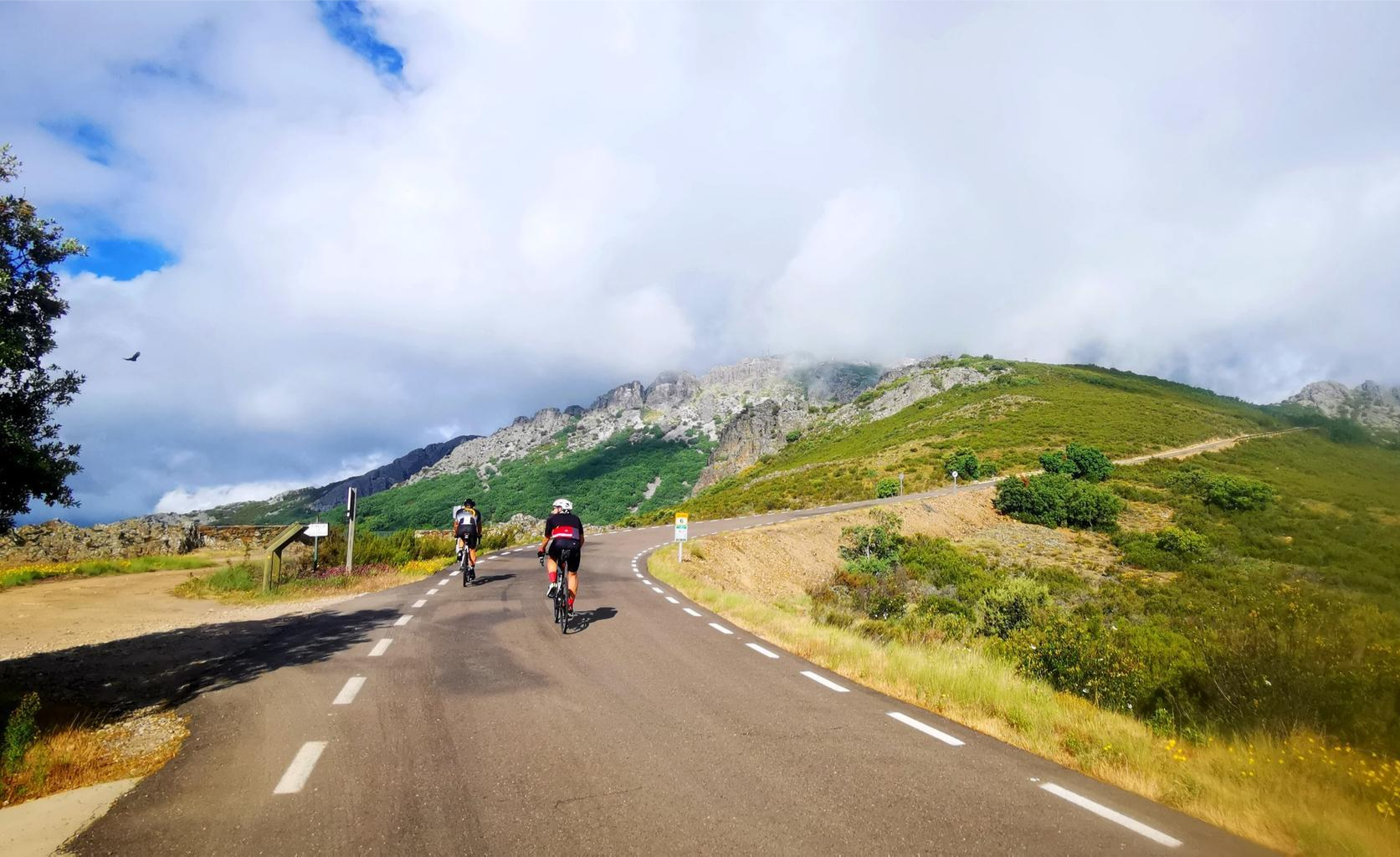
Legendary climbs - Ports of La Vuelta a España
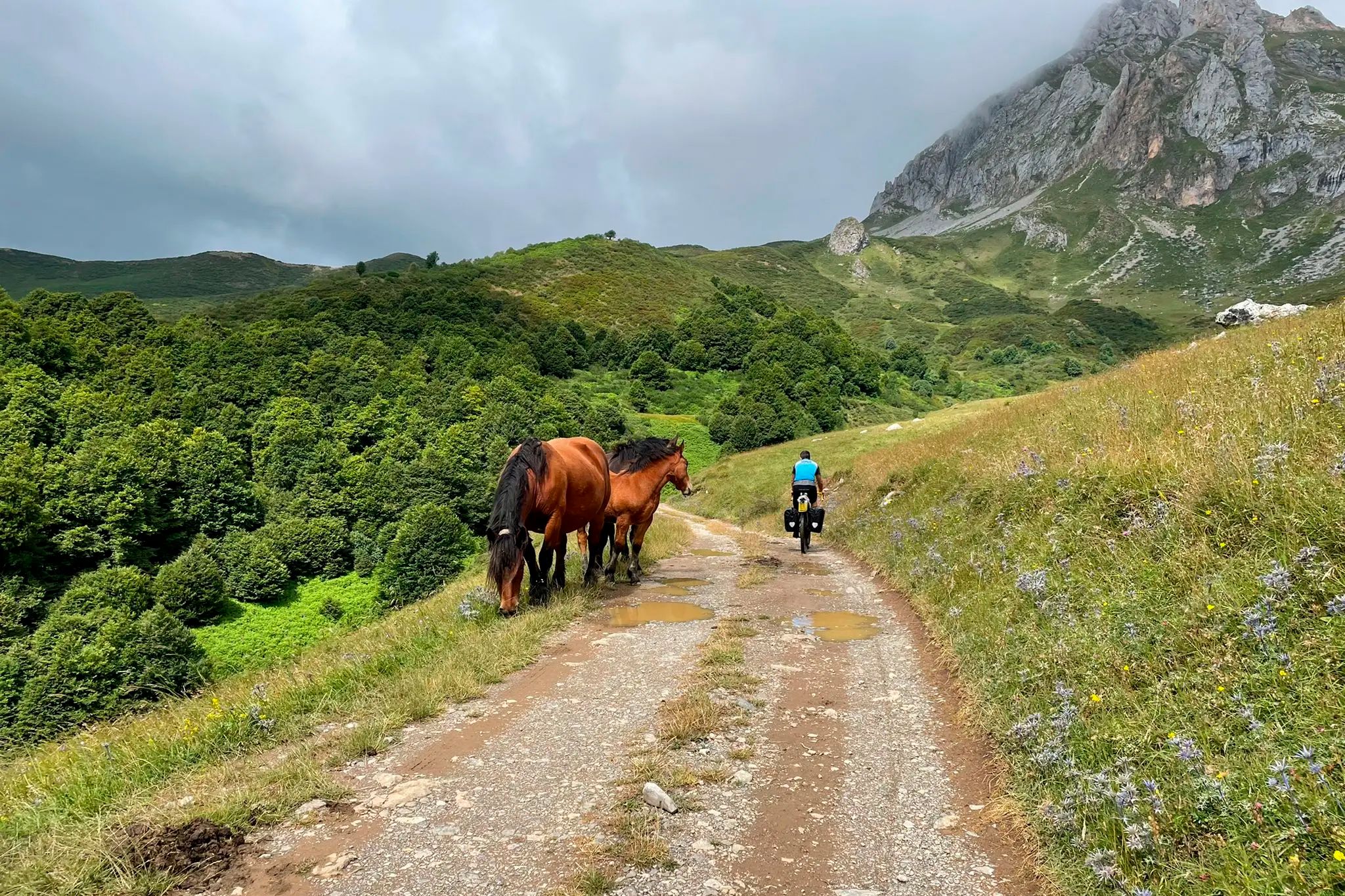
TransCantabrica – Extreme mountain biking in northern Spain
From statue to statue – Reconquista Challenge
A trip through the mountains – Pedales de León MTB
A pilgrimage to the peaks – Camino de los Santuarios
The untamed Collado Jermoso – Picos de Europa
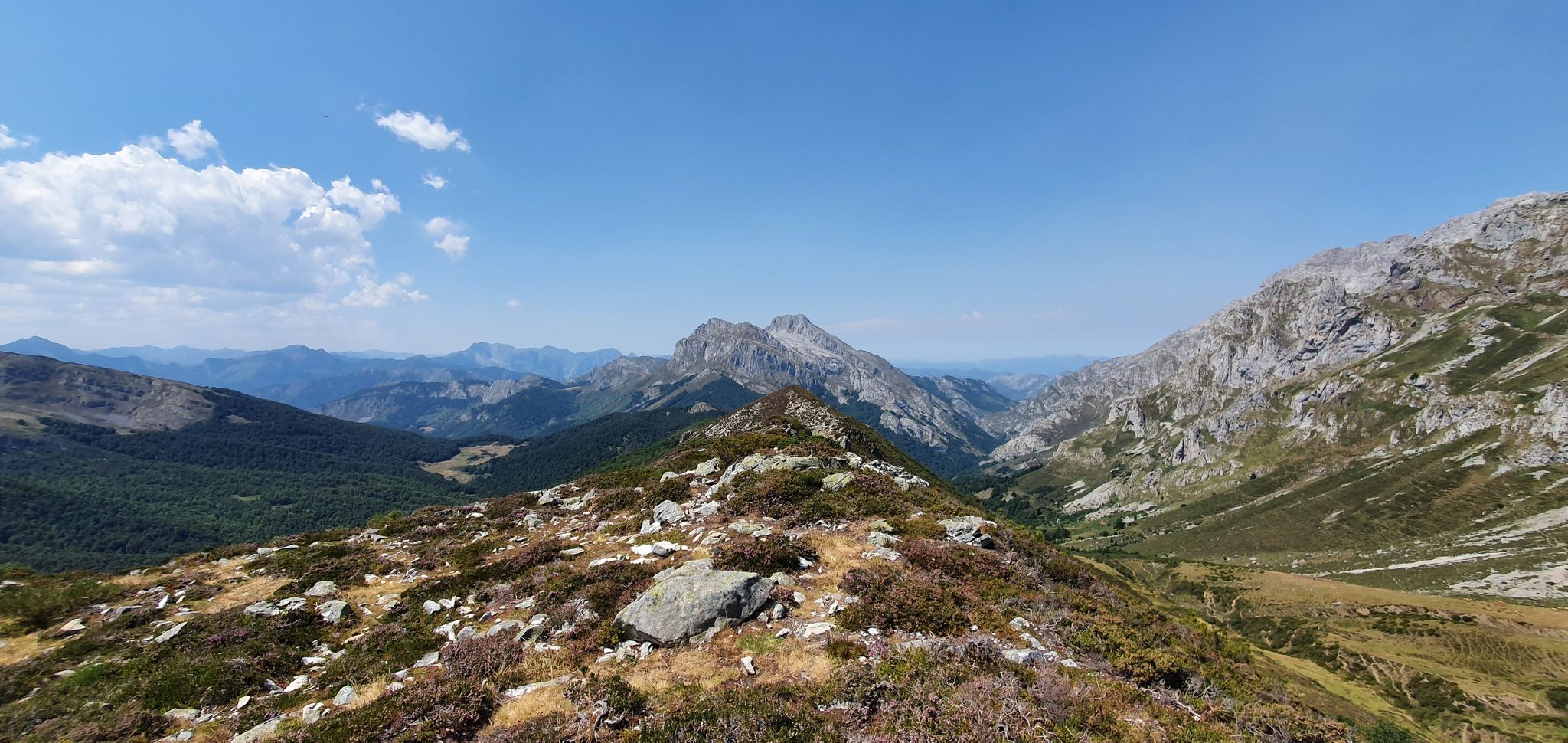
Four days hiking in Spain’s Picos de Europa – Anillo Vindio
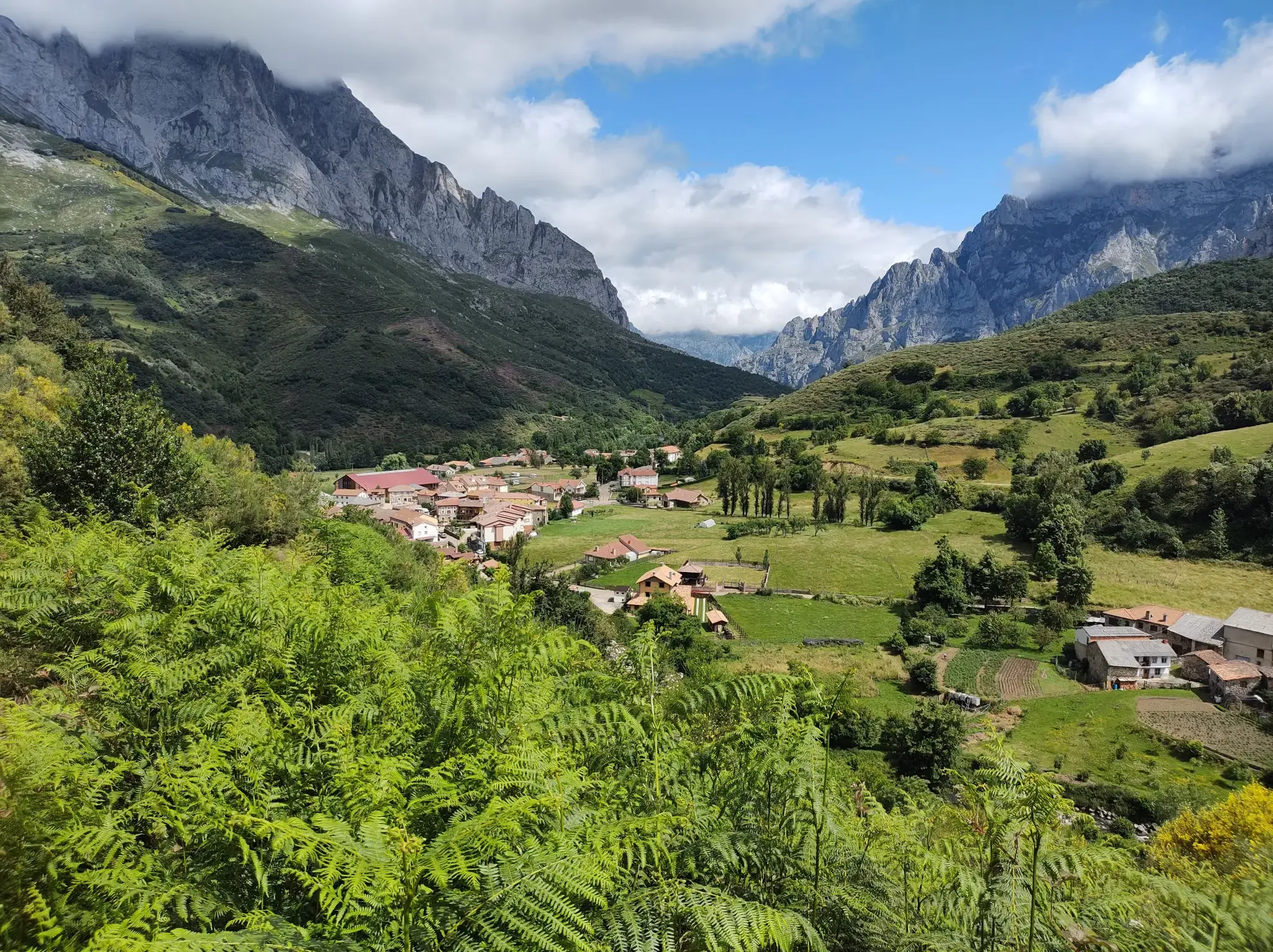
Hike Spain’s Picos de Europa – Ring of Peaks, Three Massifs
Other adventures in Picos De Europa


Tips from the Community

After rain the downhill (opposite dierction) can be somewhat challenging with steep rocky and muddy sections. I rode it on a gravel bike with 50 mm tires. Not too technical, but you need to watch out.
0
0

Asturias "Natural Paradise"
0
0

A spectacular view upon reaching the top
0
0
legendary port, a must-see for road cycling enthusiasts
0
0

One of the most beautiful ports in the heart of the Picos de Europa in the province of León. Gentle climbs through forests with several viewpoints to the peaks.
0
0

The Panderrueda pass is one of the most spectacular mountain passes in the Picos de Europa national park. During the ascent and also when crowning it, you can get impressive views of the summits of the western and central massif of the Picos de Europa. From the Caín de Valdeón slope it has a length of 18.9 kilometers and a positive slope of 1015 meters is overcome with an average slope of 5.37%.
0
0

Amazing! In my top 5 of the most beautiful climbs in Europe. Pure nature, pure cycling!
0
0

Great starting point for a tour to Picu Urriellu
0
0
Frequently Asked Questions
What are some of the most scenic mountain passes in Picos de Europa?
The Picos de Europa offer numerous scenic passes. For breathtaking panoramic views, consider visiting Panderrueda Pass, which provides impressive vistas of the western and central massifs. Another excellent choice is Collado de Horcados Rojos, offering exceptional views of Picu Urriellu (Naranjo de Bulnes) and other prominent peaks. The Puerto de San Glorio also boasts spectacular views of the Riaño Mountains and surrounding valleys from viewpoints like Mirador del Corzo.
What natural features can I expect to see at the mountain passes in Picos de Europa?
The mountain passes in Picos de Europa are rich in natural beauty. You'll encounter towering peaks, deep valleys, and dense beech forests, particularly around Puerto de Panderrueda. The Puerto del Pontón lies within the Picos de Europa National Park, known for its rich biodiversity, including protected species like the Cantabrian brown bear and various birds of prey. The Puertos de Áliva feature expansive meadows and diverse ecosystems, ideal for nature lovers.
Are there family-friendly mountain passes in Picos de Europa?
Yes, some passes are more accessible for families. The Puerto de Panderrueda, with its short walk to the Mirador de Piedrashitas, offers outstanding panoramic views and is considered a great option for families. The Puertos de Áliva, accessible via the Fuente Dé cable car, provides an opportunity to explore high-mountain terrain with relatively little effort, making it suitable for families looking for an easier mountain experience. The Pandetrave Viewpoint also has parking and interpretive panels, serving as a good starting point for family-friendly routes.
What are the best times to visit the mountain passes in Picos de Europa?
The best time to visit the mountain passes in Picos de Europa is generally during the warmer months, from late spring to early autumn (May to October). During this period, the weather is more stable, trails are clear of snow, and the landscapes are lush. Summer is ideal for observing grazing cattle in areas like Puertos de Áliva. Some passes, like Puerto de San Glorio, are well-maintained and experience relatively low traffic, making them enjoyable for cycling during these months.
How accessible are the mountain passes in Picos de Europa by road?
Many mountain passes in Picos de Europa are well-connected by road. The Puerto de San Glorio, for instance, is a prominent pass on the N-621 road, connecting León and Cantabria. The Puerto de Panderrueda is a crucial access point to the central massif from León via the LE-2711 road. The Puerto del Pontón is accessible via the N-625 road. While some ascents can be challenging, the roads are generally well-maintained, offering smooth asphalt on routes like Puerto del Pontón.
Are there challenging mountain passes for experienced cyclists in Picos de Europa?
Absolutely. The Picos de Europa offer several challenging passes for cyclists. The ascent to Puerto de San Glorio from Potes is a significant climb, featuring an average gradient of 5% over 26.5 kilometers. The Puerto de Panderrueda from Caín de Valdeón is particularly challenging, with initial sections reaching gradients as steep as 17% and even 21%. The Puerto del Pontón also has sections with maximum gradients of 9-10%. For more cycling routes, you can explore the Road Cycling Routes in Picos De Europa guide.
What kind of hiking opportunities are available near the mountain passes?
The mountain passes serve as excellent starting points for various hikes. From the Fuente Dé cable car, you can access a moderate trail (PR-PNPE-24) that ascends through a limestone landscape to Horcadina de Covarrobles pass and then descends through the Áliva grasslands. The Collado de Horcados Rojos is reachable via a well-marked hike from the El Cable station. For easier options, check out the Easy hikes in Picos De Europa guide, or for more general hiking, see the Cycling in Picos De Europa guide which also lists some walking routes.
Can I spot wildlife around the mountain passes?
Yes, the Picos de Europa region is known for its rich biodiversity. The Puerto del Pontón, located within the National Park, is particularly noted for its wildlife, including protected species like the Cantabrian brown bear and capercaillie, as well as various birds of prey. The Puertos de Áliva are also a good location for birdwatching, with species such as the Common Rock Thrush and Bearded Vulture.
Are there any unique historical or cultural sites near the passes?
While the focus is primarily on natural beauty, some passes offer historical context. In the Puertos de Áliva, visitors can explore historical sites like the Chalet Real. Near Collado de Horcados Rojos, you'll find Cabaña Verónica, a unique refuge constructed from an anti-aircraft battery dome, adding a touch of history to the high-altitude landscape. The region of Liébana, near Puerto de San Glorio, is also known for its rich culinary tradition.
What do visitors enjoy most about the mountain passes in Picos de Europa?
Visitors frequently highlight the spectacular panoramic views, the untouched natural beauty, and the diverse outdoor activities. Many appreciate the accessibility of high-altitude scenery with relatively little effort, especially via cable car access to areas like Puertos de Áliva. Cyclists enjoy the challenging yet scenic routes, while hikers value the well-maintained trails and the opportunity to witness unique geological formations and rich biodiversity. The sense of entering 'another world' at passes like Portilla del Boquejón is also a common sentiment.
Is there parking available at or near the mountain passes?
Yes, parking is generally available at or near many of the mountain passes and their associated viewpoints. For example, the Pandetrave Viewpoint explicitly mentions a car park, which also serves as a starting point for various routes. For passes like those accessible via the Fuente Dé cable car, parking facilities are typically provided at the cable car station.
Most popular routes in Picos De Europa
Most popular attractions in Picos De Europa

Get inspired with the komoot mobile app


Explore more
See even more epic mountain passes by checking out these guides in Picos De Europa:
