Top 7 Natural Monuments around Cruseilles
Best natural monuments around Cruseilles are found in a region characterized by its diverse landscapes, including lakes, mountains, and impressive geological formations. This area, nestled in Haute-Savoie, France, offers a blend of natural beauty and significant geological features. Visitors can explore various natural sites, from ancient caves to fault mirrors. The terrain provides opportunities to observe unique geological processes and panoramic mountain views.
Best natural monuments around Cruseilles
- The most popular natural monument is Orjobet Cave, a cave that…
Last updated: July 15, 2026
Orjobet Cave
Highlight • Cave
Translated by Google •
Tip by

The Trou de la Tine
Highlight • Cave
Translated by Google •
Tip by
Sign up now to discover places like this
Get recommendations on the best single tracks, peaks, & plenty of other exciting outdoor places.
Sign up for free
Sillingy Fault Mirror
Highlight • Natural Monument
Translated by Google •
Tip by

Rochers de Faverges
Highlight • Natural Monument
Translated by Google •
Tip by

Cross on the mountain
Highlight • Natural Monument
Translated by Google •
Tip by

Sign up for free to discover even more natural monuments around Cruseilles.
Sign up for free
Already have an account?
Start today with a free account
Your next adventure awaits.
Login or Signup

Tips from the Community


Le Trou de la Tine (Trou of the Tine Cave) was formed by erosion on the flank of Mont Salève. It is a deep, sunken hole shaped like an open-topped barrel ("Tine" is an old dialect term for barrel, "trou" means hole). The cave's ceiling has collapsed due to erosion, revealing a natural "barrel" with a side opening. One can walk into the "barrel" through this side opening.
0
0

Very nice hike to do again
0
0

The Vuache Fault mirror is an easy to access but impressive site that is well worth a little detour!
0
0

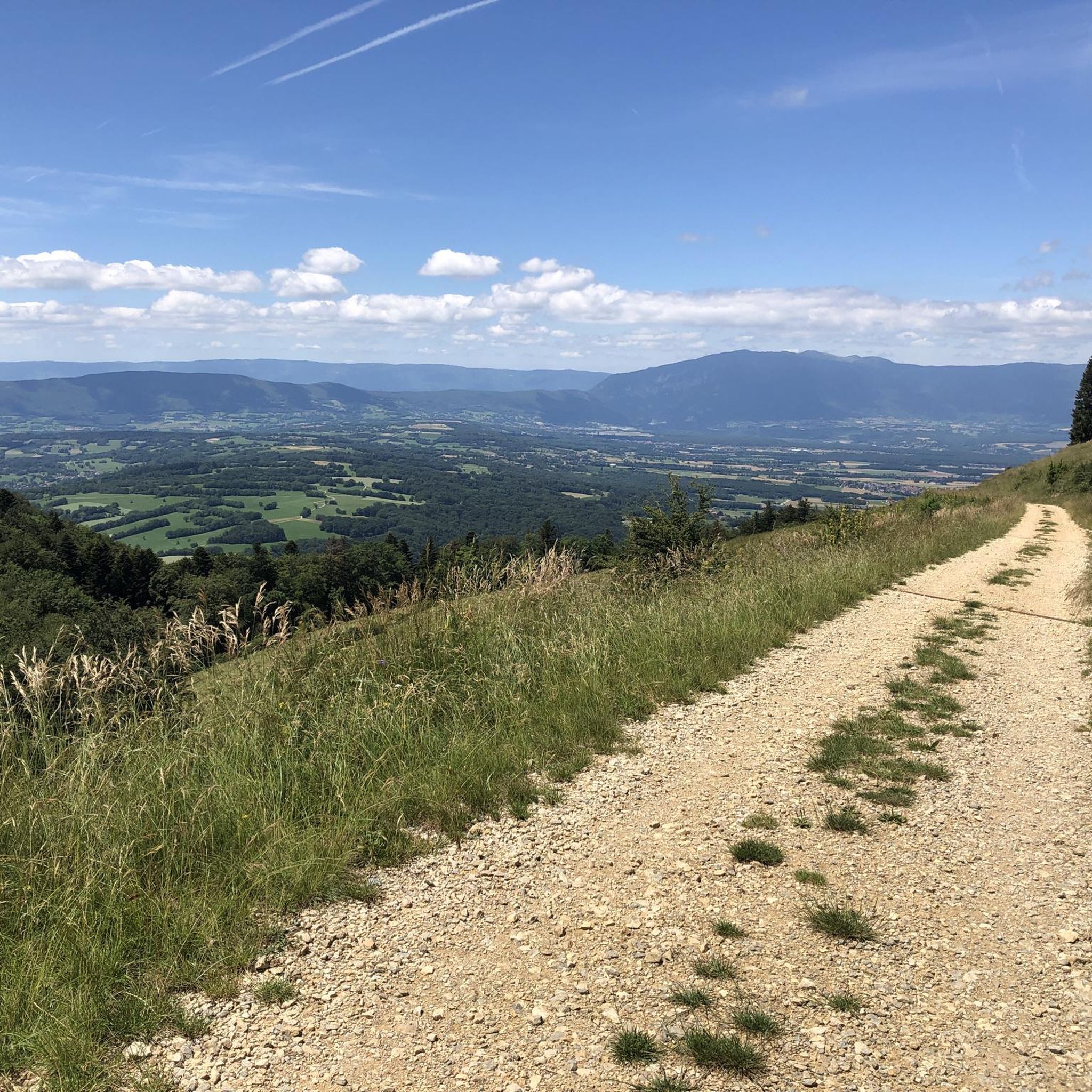
It’s beautiful… but not really passable by bike except mountain bike. It’s a gravel/stone path which, without big suitable tires, will make you skid.
0
0


Cave with collapsed ceiling
1
0
A beautiful geological formation
0
2
Frequently Asked Questions
What unique geological features can I explore around Cruseilles?
Cruseilles is rich in geological wonders. You can visit the Sillingy Fault Mirror, one of Europe's most significant fault mirrors, where two geological plates slide over each other, offering insights into geological processes and supporting a diverse ecosystem. Another fascinating site is The Trou de la Tine, a cave with a collapsed ceiling, showcasing the effects of natural erosion.
Are there any historical natural monuments in the area?
Yes, the region combines natural beauty with historical significance. The Orjobet Cave, named after a local farmer who guided its discoverer, showcases typical erosion of limestone areas and has a rich history of exploration. Additionally, you can find the Resistance shelter 1944, a cave that served as a refuge for maquisards during World War II, offering a poignant historical connection within a natural setting.
What are the best natural monuments for panoramic views?
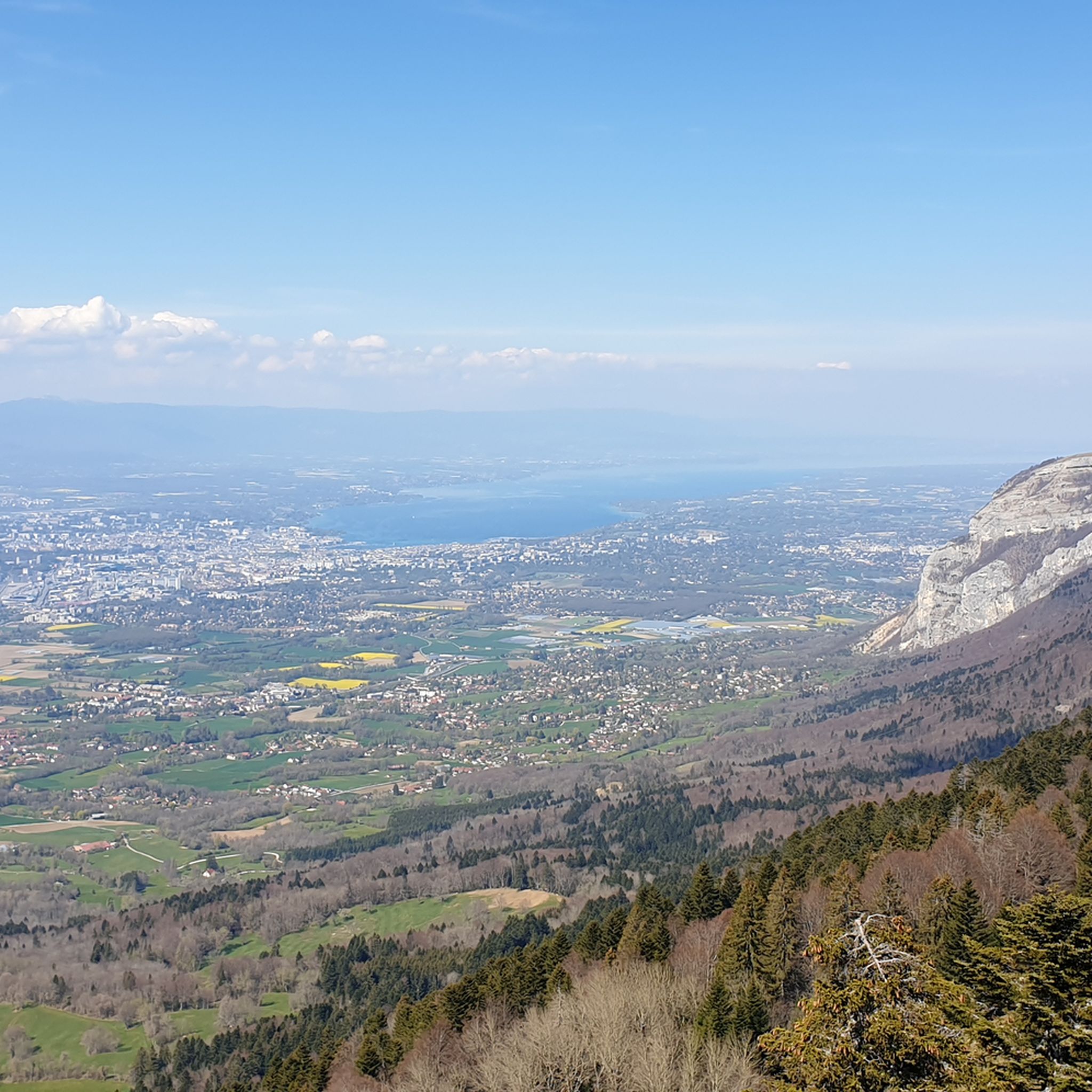
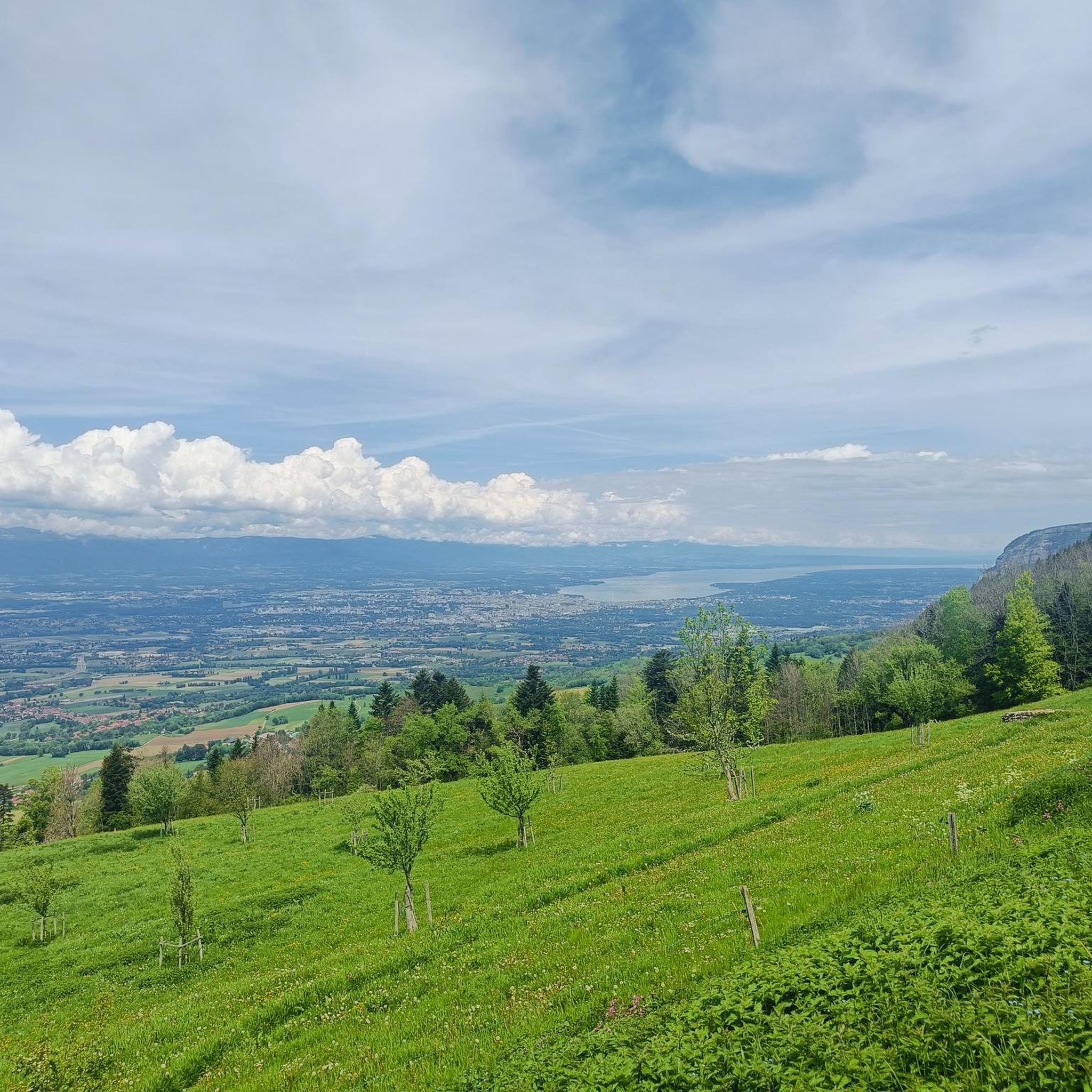
For breathtaking panoramic views, Le Salève Mountain, often called the 'Balcony of Geneva,' offers stunning vistas of the Geneva basin, Lake Annecy, and the Alps. You can also find the Cross on the mountain, which provides an unmissable viewpoint, though it requires sure-footedness. The Tête de la Mandallaz also provides a wide panorama of the Annecy agglomeration and the surrounding Alps.
What outdoor activities can I do near the natural monuments around Cruseilles?
The area around Cruseilles is perfect for various outdoor activities. Le Salève Mountain is a popular spot for hiking, cycling, paragliding, and climbing. You can find numerous cycling routes, including challenging ascents like the Col de la Croisette. For more ideas, explore the Cycling around Cruseilles guide. Mountain biking enthusiasts can discover trails like 'Les Usses River Picnic Spot – Lake Dronières loop' or 'Le Grand Piton – Plan du Salève loop' by checking the MTB Trails around Cruseilles guide.
Are there family-friendly natural sites or activities in Cruseilles?
Absolutely. Lac des Dronières and Parc des Dronières in Cruseilles is an excellent family-friendly destination. This leisure park features an artificial lake and a deer park, offering a peaceful natural setting. Families can enjoy various activities such as sports courses, an accrobranche (treetop adventure course), and nautical activities on the lake. There's also a 2.5 km fitness trail through the communal forest, perfect for walks.
What is the best season to visit the natural monuments around Cruseilles?
The best season to visit largely depends on the activities you plan. Spring and autumn offer pleasant temperatures for hiking and cycling, with vibrant foliage or blooming flora. Summer is ideal for water activities at Lac des Dronières and enjoying the higher mountain trails. While some areas are accessible in winter, specific trails might be challenging due to snow, making it suitable for winter hiking for those prepared.
Are there any iconic bridges or architectural landmarks that are also natural monuments?
Yes, the Ponts de la Caille are a significant natural and architectural landmark. The Pont Charles-Albert, a historic suspension bridge inaugurated in 1839, was the first of its kind in Europe. It spans 192 meters over the Usses river gorge, offering breathtaking views. While now reserved for pedestrians and cyclists, its crenellated towers and impressive engineering make it a remarkable site.
What kind of walks or hikes can I find near these natural monuments?
The region offers a variety of walks and hikes. On Le Salève, you can explore the historic Balcony Trail, which provides incredible views of the Geneva basin. The well-maintained lakeside path at Lac des Dronières is a pleasant option for an easy walk. For more challenging routes, many trails lead up Le Salève and Tête de la Mandallaz, offering diverse landscapes and viewpoints. You can also find gravel biking routes, such as those listed in the Gravel biking around Cruseilles guide.
Are there any specific tips for visiting the caves or geological sites?
When visiting sites like Orjobet Cave or The Trou de la Tine, be prepared for uneven terrain. The Orjobet Cave was equipped with a path, renovated over the years, making it accessible for exploration. For the Sillingy Fault Mirror, interpretive panels are available to help you understand the geological processes and the local ecosystem. Always wear appropriate footwear and be mindful of your surroundings.
What do visitors enjoy most about the natural monuments around Cruseilles?
Visitors frequently appreciate the diverse landscapes, from serene lakes to challenging mountain passes and impressive geological formations. The blend of scenic beauty, historical significance, and opportunities for outdoor activities is highly valued. The panoramic views from Le Salève and the engineering marvel of the Ponts de la Caille are often highlighted, as are the unique geological insights offered by sites like the Sillingy Fault Mirror.
Are there any permits required to visit the natural monuments?
Generally, no specific permits are required for accessing the natural monuments themselves, such as the caves, fault mirrors, or mountain viewpoints. However, for certain organized activities like paragliding or specific climbing routes on Le Salève, local regulations or permits from activity providers might apply. It's always advisable to check with the local tourism office for the most current information regarding any specific activity or protected area.
Most popular routes around Cruseilles
Most popular attractions around Cruseilles

Get inspired with the komoot mobile app


Explore more
Extend your search for the best caves by checking out these guides of the top ones around Cruseilles:
