Top 5 Natural Monuments around Kaneohe Base
Best natural monuments near Kaneohe Base are found on the Mokapu Peninsula, which partly encloses the southern end of Kaneohe Bay. This area of Oahu features a diverse natural landscape, including the largest sheltered body of water in the main Hawaiian Islands and the dramatic Koʻolau Mountain Range. The region offers geological formations such as a barrier reef, various islands, and a sandbar. It also encompasses significant historical sites and expansive botanical gardens.
Best natural monuments around Kaneohe Base
- The…
Last updated: October 12, 2026
Nu'uanu Pali Lookout
Highlight • Viewpoint
Translated by Google •
Tip by

View from Pu'ukeahiakahoe (Stairway to Heaven)
Highlight • Viewpoint
Translated by Google •
Tip by

Sign up now to discover places like this
Get recommendations on the best single tracks, peaks, & plenty of other exciting outdoor places.
Pakuʻi (Second Peak of Olomana)
Highlight • Summit
Translated by Google •
Tip by

Alālā Point
Highlight • Viewpoint
Alāla means 'awakening' as for decades, beach houses in Lanikai were mainly used …
Tip by

Lake Waimaluhia
Highlight • Lake
Translated by Google •
Tip by

Start today with a free account
Your next adventure awaits.
Tips from the Community

If you were fine getting to the first peak then you'll be able to get here without too much difficulty as well. Be aware that the third peak is considerably more dangerous (although not particularly physically difficult).
0
0

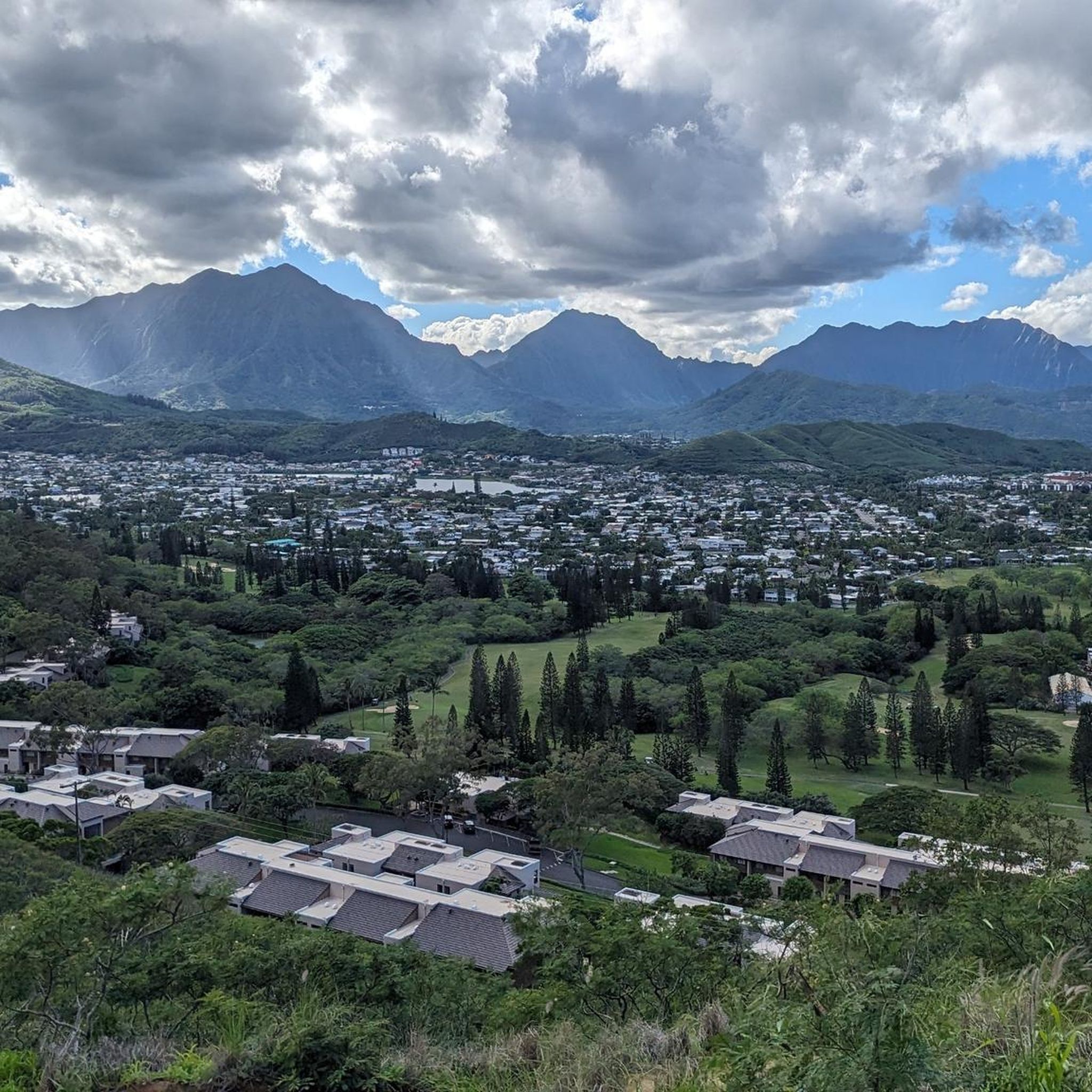
The point takes its name from the fishing shrine, a natural stone formation, on the ridge above. Alāla means 'awakening' since for decades, beach houses in Lanikai were mainly used as a retreat/return to nature spot from Honolulu. However, in the 1950s, the area began to develop into a more suburban residential area.
0
0
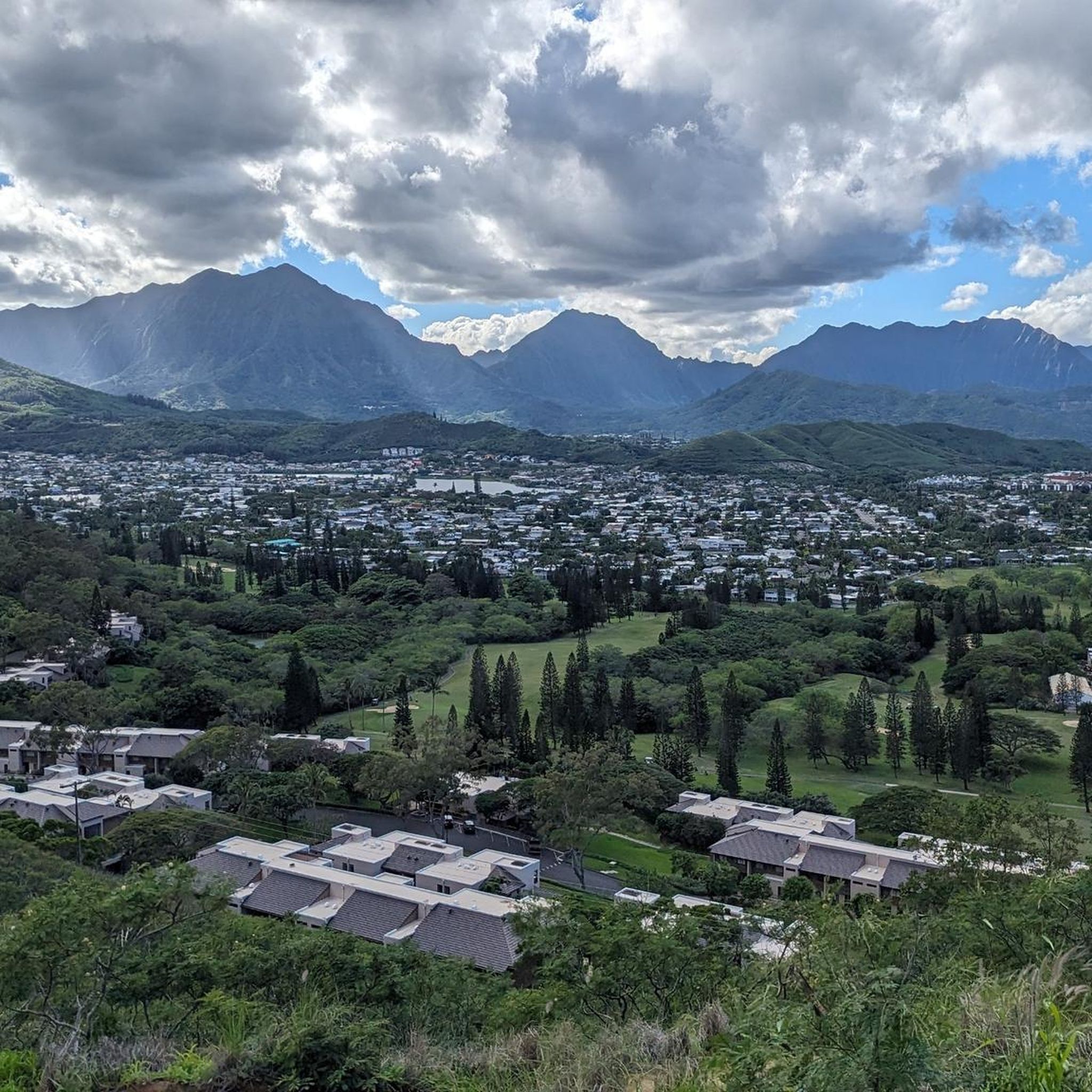
The Pali (meaning "cliff") Lookout is the site of the Battle of Nuʻuanu, where in 1795 King Kamehameha I won the struggle that finally united Oʻahu under his rule. This fierce battle claimed hundreds of soldiers’ lives, many of which were forced off of the Pali’s sheer cliffs. Site is free for pedestrians / $7 for cars.
0
0
The point takes its name from the fishing shrine, a natural stone formation, on the ridge above. Alāla means 'awakening' as for decades, beach houses in Lanikai were mainly used as a retreat from Honolulu. However, in the 1950s, the area began to develop into a more suburban residential area.
0
0
The Pali (meaning "cliff") Lookout is the site of the Battle of Nuʻuanu, where in 1795 King Kamehameha I won the struggle that finally united Oʻahu under his rule. This fierce battle claimed hundreds of soldiers’ lives, many of which were forced off of the Pali’s sheer cliffs. Site is free for bikes, $7 for cars.
0
0

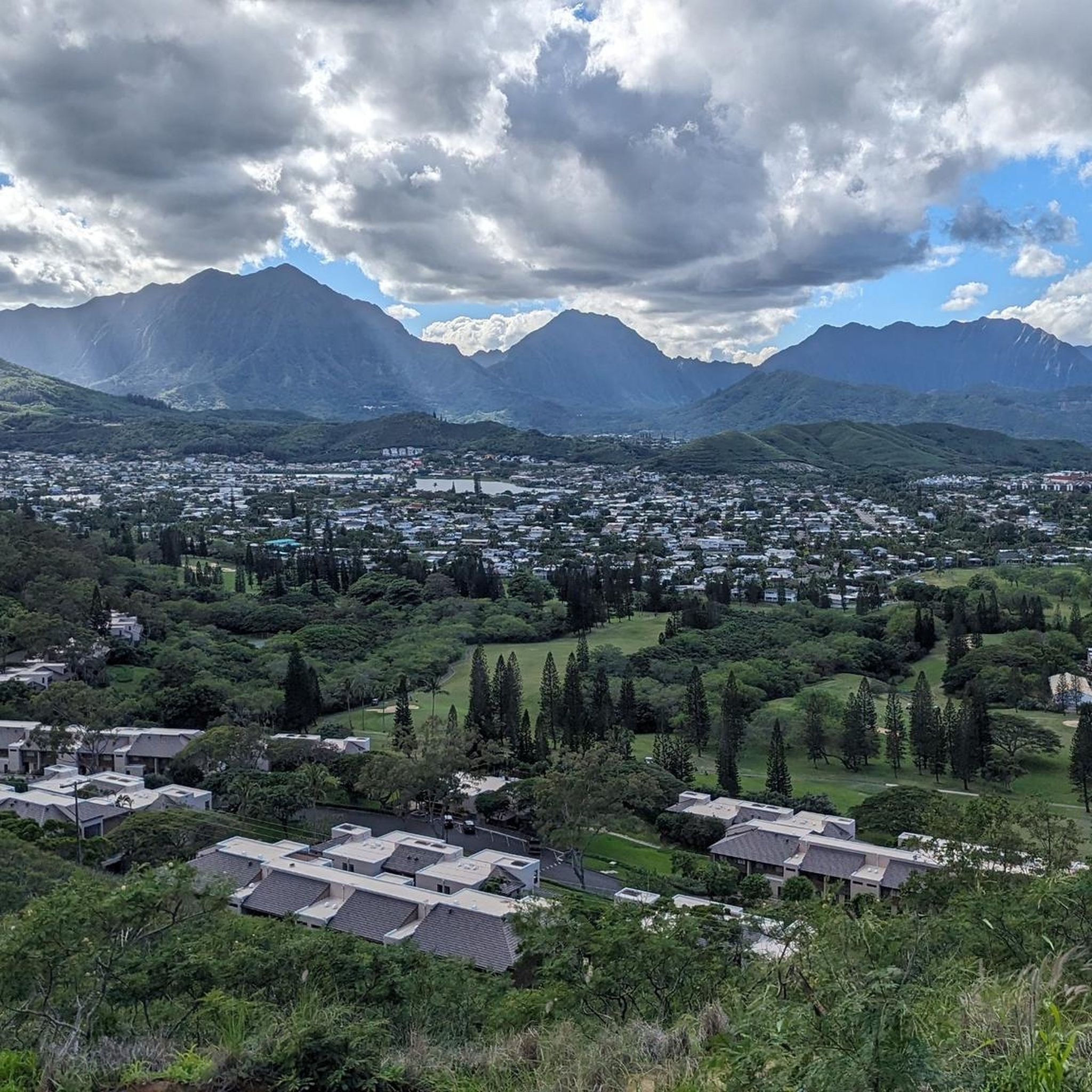
Pakuʻi is the name of the second peak of Olomana. To get here from the first peak, only takes a very short hike but the views will certainly get better. From here you can see the ridge-line to the third peak. Please be aware, that the hike to the third peak should only be attended by experienced hikers.
0
0

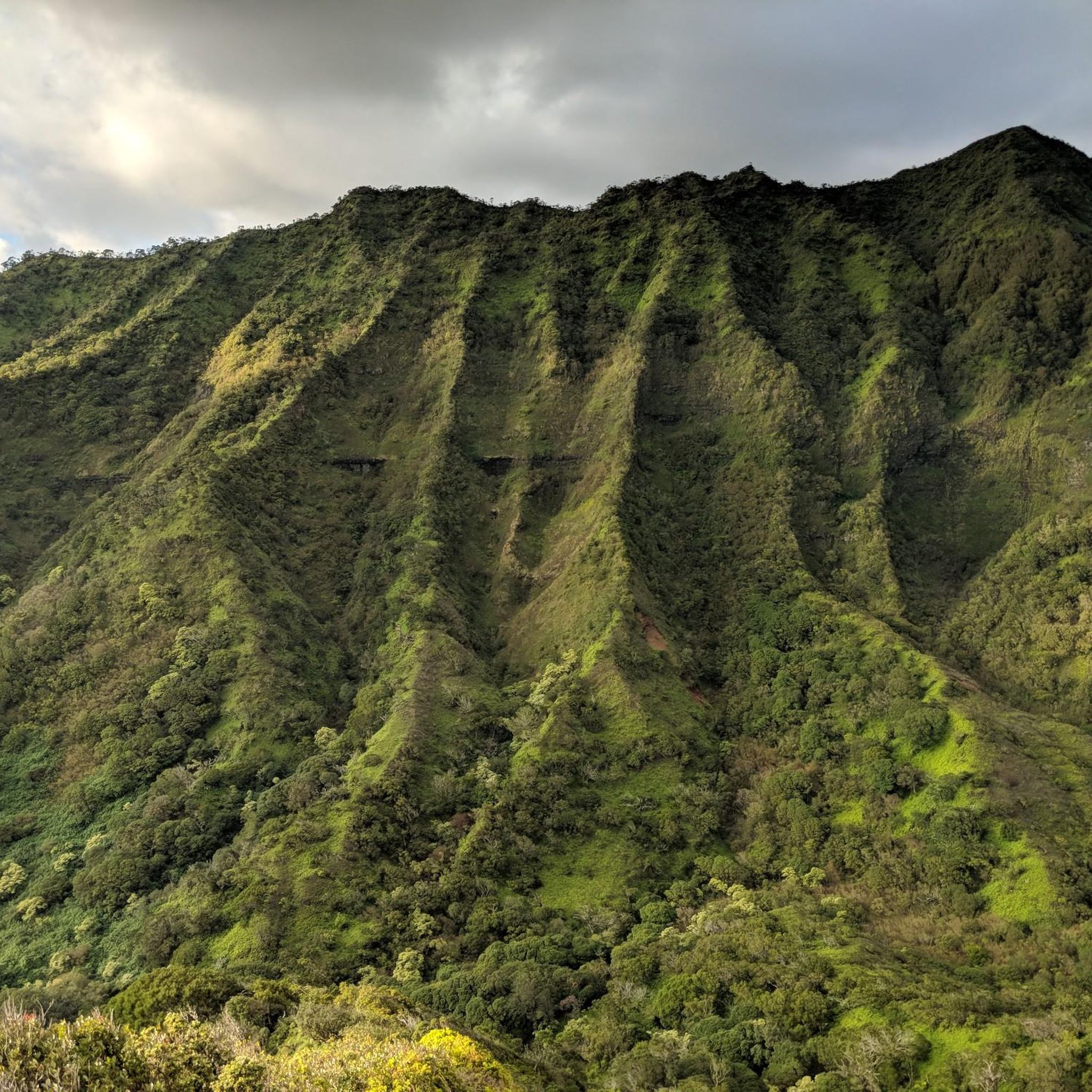
Even in foggy weather, it's worth waiting 30 minutes. Sometimes the clouds suddenly break up and then you have the view that you came up here for (among other things)...
0
0
Be aware that trekking the Haiku Stairs (Stairway to Heaven) is prohibited, whether you're starting in the valley (potential fine of $600+ and controls are tight) or walking down from the top.
1
0
Frequently Asked Questions
What are some of the most popular natural monuments around Kaneohe Base?
Visitors frequently enjoy the panoramic views from Nu'uanu Pali Lookout, which also holds significant historical importance. Another highly appreciated spot is the View from Pu'ukeahiakahoe (Stairway to Heaven), known for its expansive vistas. For those seeking a challenge, Pakuʻi (Second Peak of Olomana) offers improved views after a short hike.
Are there family-friendly natural monuments to visit near Kaneohe Base?
Yes, several natural monuments are suitable for families. Nu'uanu Pali Lookout offers stunning views and historical context that can be enjoyed by all ages. Alālā Point provides beach access and scenic views, while Lake Waimaluhia is a serene lake perfect for a relaxing visit. Additionally, the Ho'omaluhia Botanical Garden is a free, expansive garden with walking trails and fishing opportunities on weekends, making it ideal for families.
What kind of outdoor activities can I do near these natural monuments?
The area around Kaneohe Base offers a variety of outdoor activities. You can explore cycling routes like the 'Ohana Trail Loop' or the 'Kailua to Kaiona Beach loop' for touring bicycles. For road cycling, consider routes such as 'Hoʻomaluhia Botanical Gardens via Pu‘uhalo loop'. There are also easy hiking options like the 'Lanikai Pillbox' loops. Find more details on these activities in the Cycling around Kaneohe Base, Road Cycling Routes around Kaneohe Base, and Easy hikes around Kaneohe Base guides.
Are there hiking trails near the natural monuments around Kaneohe Base?
Yes, there are several hiking opportunities. For challenging hikes, consider the trails leading to View from Pu'ukeahiakahoe (Stairway to Heaven) and Pakuʻi (Second Peak of Olomana). For easier options, the 'Lanikai Pillbox' loops offer accessible trails with rewarding views. You can find more hiking routes in the Easy hikes around Kaneohe Base guide.
What unique natural features can I explore in Kaneohe Bay?
Kaneohe Bay is the largest sheltered body of water in the main Hawaiian Islands and is home to one of only two barrier reefs in the archipelago. A particularly unique feature is the Kaneohe Sandbar (Ahu o Laka), a stretch of white sand that emerges during low tide, offering a temporary oasis for sunbathing and picnicking. The bay's calm, turquoise waters are also rich in marine life, making it excellent for snorkeling and other water sports.
Can I visit a botanical garden near Kaneohe Base?
Absolutely. The Ho'omaluhia Botanical Garden, meaning 'to make a place of peace and tranquility', is a 400-acre garden designed for flood protection that now serves as a serene refuge. It features diverse plant collections from tropical regions worldwide, a 32-acre lake, walking trails, and stunning views of the Koʻolau Mountain Range. Entry is free, and catch-and-release fishing is available on weekends.
Do any natural monuments near Kaneohe Base have historical significance?
Yes, the Nu'uanu Pali Lookout is a site of profound historical importance. It was the location of the Battle of Nuʻuanu in 1795, where King Kamehameha I unified Oahu under his rule. Information signs at the lookout detail this pivotal event, combining natural beauty with a rich historical narrative.
What is the best time to visit the natural monuments around Kaneohe Base?
Oahu generally enjoys pleasant weather year-round. However, the dry season from April to October typically offers more sunshine and less rain, which is ideal for outdoor activities and enjoying the views. The winter months (November to March) can bring more rain, but also lush greenery. For specific sites like the View from Pu'ukeahiakahoe, waiting for clouds to clear can reveal the full panoramic vista, regardless of the season.
Are there any natural monuments that offer challenging experiences for experienced hikers?
For experienced hikers seeking a challenge, the ascent to the View from Pu'ukeahiakahoe (Stairway to Heaven) is known for its demanding terrain. Similarly, reaching Pakuʻi (Second Peak of Olomana) involves an intermediate to challenging hike, with the option to continue to the third peak for those with advanced climbing skills.
What kind of wildlife can I expect to see at these natural monuments?
In Kaneohe Bay, you can observe abundant marine life, including colorful fish and coral reefs, especially while snorkeling. The Ho'omaluhia Botanical Garden is home to various birds and small mammals. While hiking in the Koʻolau Mountain Range, you might encounter native Hawaiian birds. Always observe wildlife from a respectful distance.
Is there an entrance fee for the Nu'uanu Pali Lookout?
Access to the Nu'uanu Pali Lookout is free for pedestrians and bikes. However, there is a $7 fee for cars to park at the site.
Can I go fishing at any of the natural monuments?
Yes, catch-and-release fishing is available on weekends at the lake within the Ho'omaluhia Botanical Garden. Equipment is provided, making it an accessible activity for visitors.
Most popular routes around Kaneohe Base
Most popular attractions around Kaneohe Base

Get inspired with the komoot mobile app


Explore more
Extend your search for the best caves by checking out these guides of the top ones around Kaneohe Base:
