The best city hikes and walks in Umbria
4.4
(11767)
57,337
hikers
133
hikes
Urban hiking trails in Umbria traverse a landscape characterized by rolling hills, ancient olive groves, and historic city centers. The region, often called Italy's "Green Heart," features diverse terrain from gentle paths through medieval towns to routes offering panoramic views of valleys. Many urban walks incorporate historical landmarks and natural features, providing a blend of cultural and outdoor experiences. The varied topography ensures a range of options for different walking preferences.
Best urban hiking trails in Umbria
- The most popular…
Last updated: September 3, 2026
4.6
(29)
409
hikers
6.12km
01:49
170m
170m
Easy hike. Great for any fitness level. Easily-accessible paths. Suitable for all skill levels.
4.8
(28)
389
hikers
4.99km
01:28
130m
130m
Easy hike. Great for any fitness level. Easily-accessible paths. Suitable for all skill levels.

Sign up for free
4.6
(34)
277
hikers
6.31km
01:48
150m
150m
Easy hike. Great for any fitness level. Easily-accessible paths. Suitable for all skill levels.
5.0
(9)
147
hikers
3.26km
00:53
50m
50m
Easy hike. Great for any fitness level. Easily-accessible paths. Suitable for all skill levels.
4.5
(8)
80
hikers
Moderate hike. Good fitness required. Easily-accessible paths. Suitable for all skill levels.
Get access to more routes and recommendations from other explorers.
Sign up for free
Already have an account?
Our route recommendations are based on thousands of hikes, rides, and runs completed by other people on komoot.
Start today with a free account
Your next adventure awaits.
Login or Signup
Popular around Umbria

City hikes in Perugia

City hikes in Terni
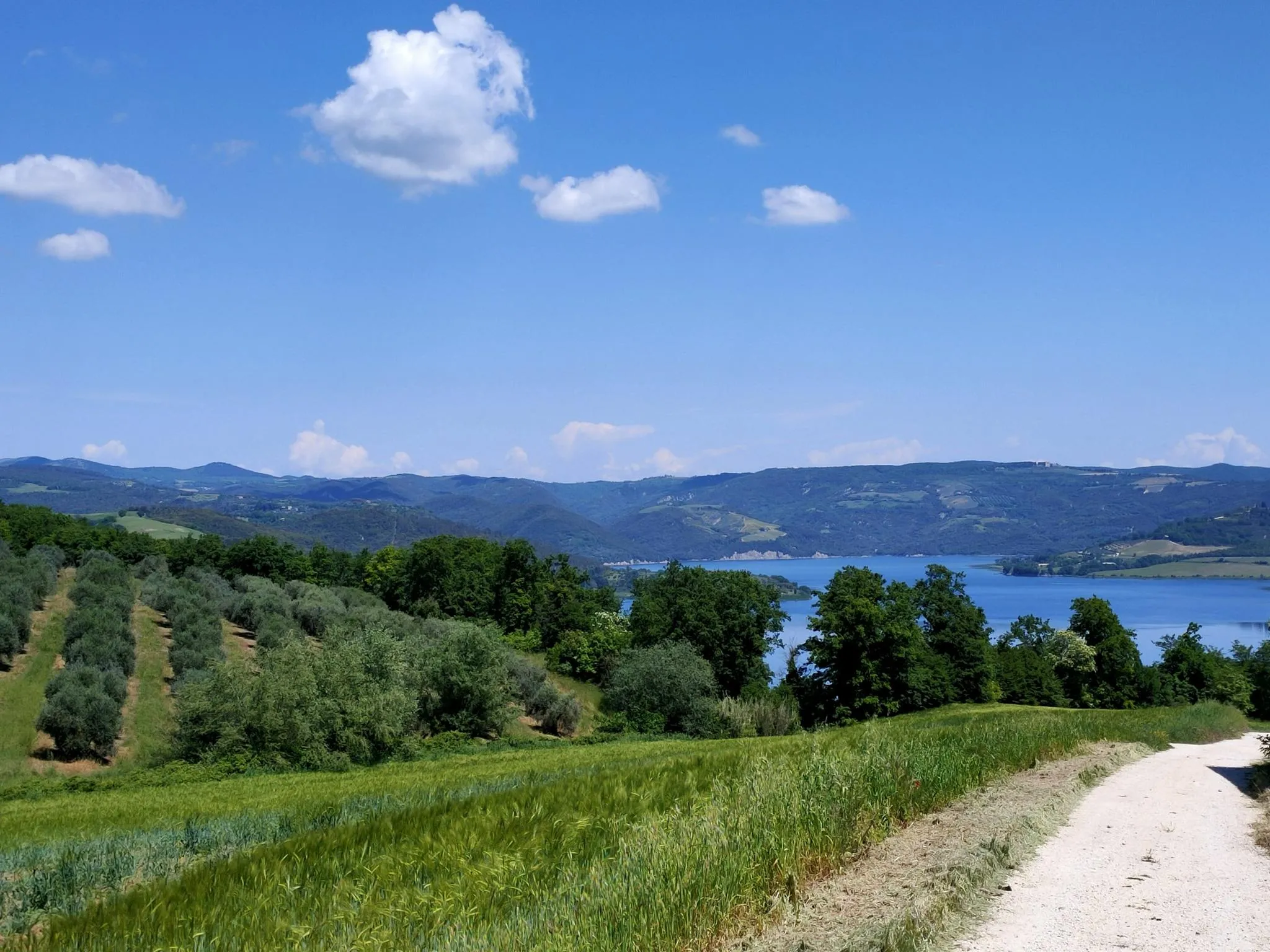
Italian Coast2Coast – From Portonovo to Orbetello
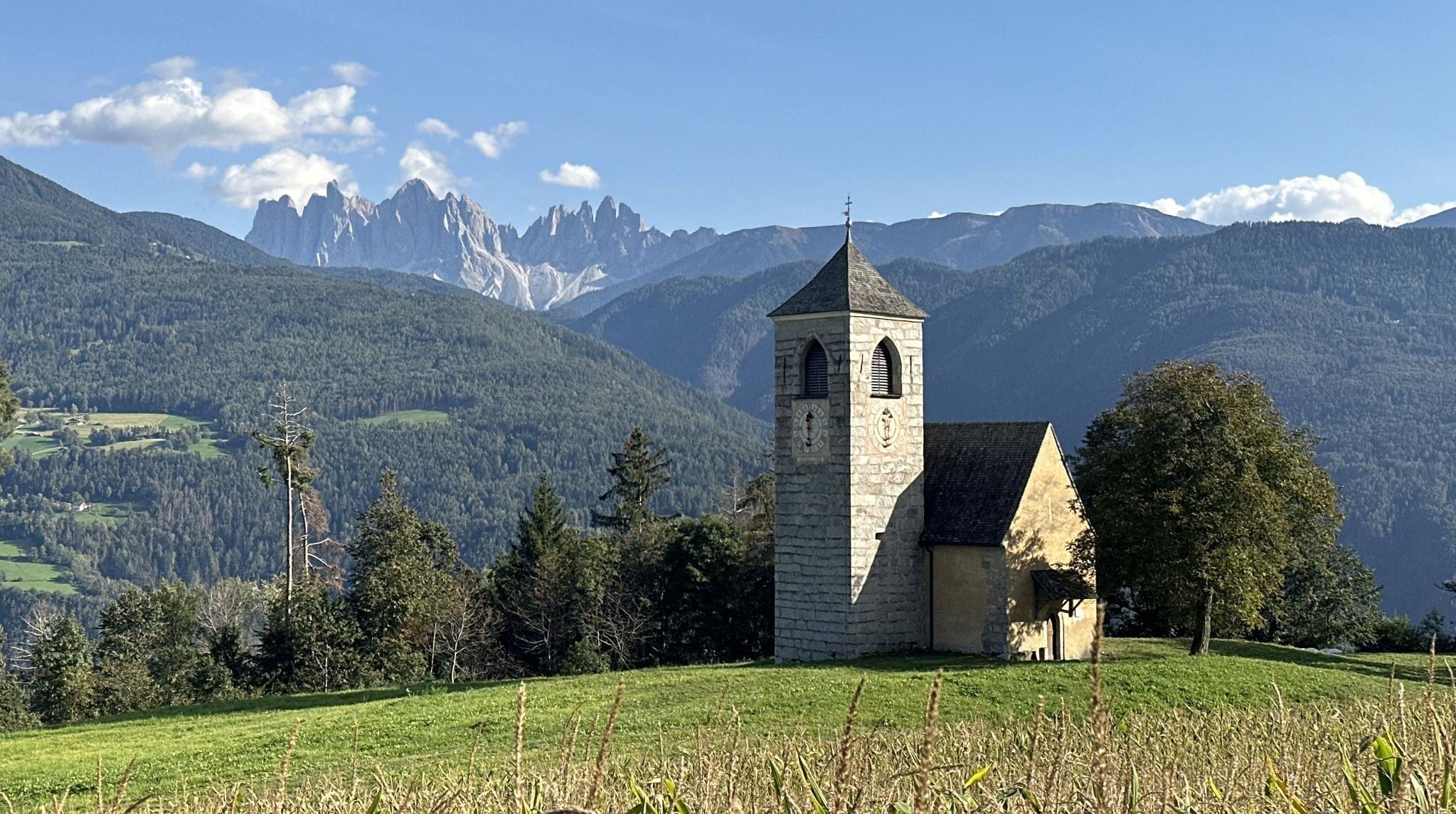
Via Romea Germanica – History, nature and spirituality
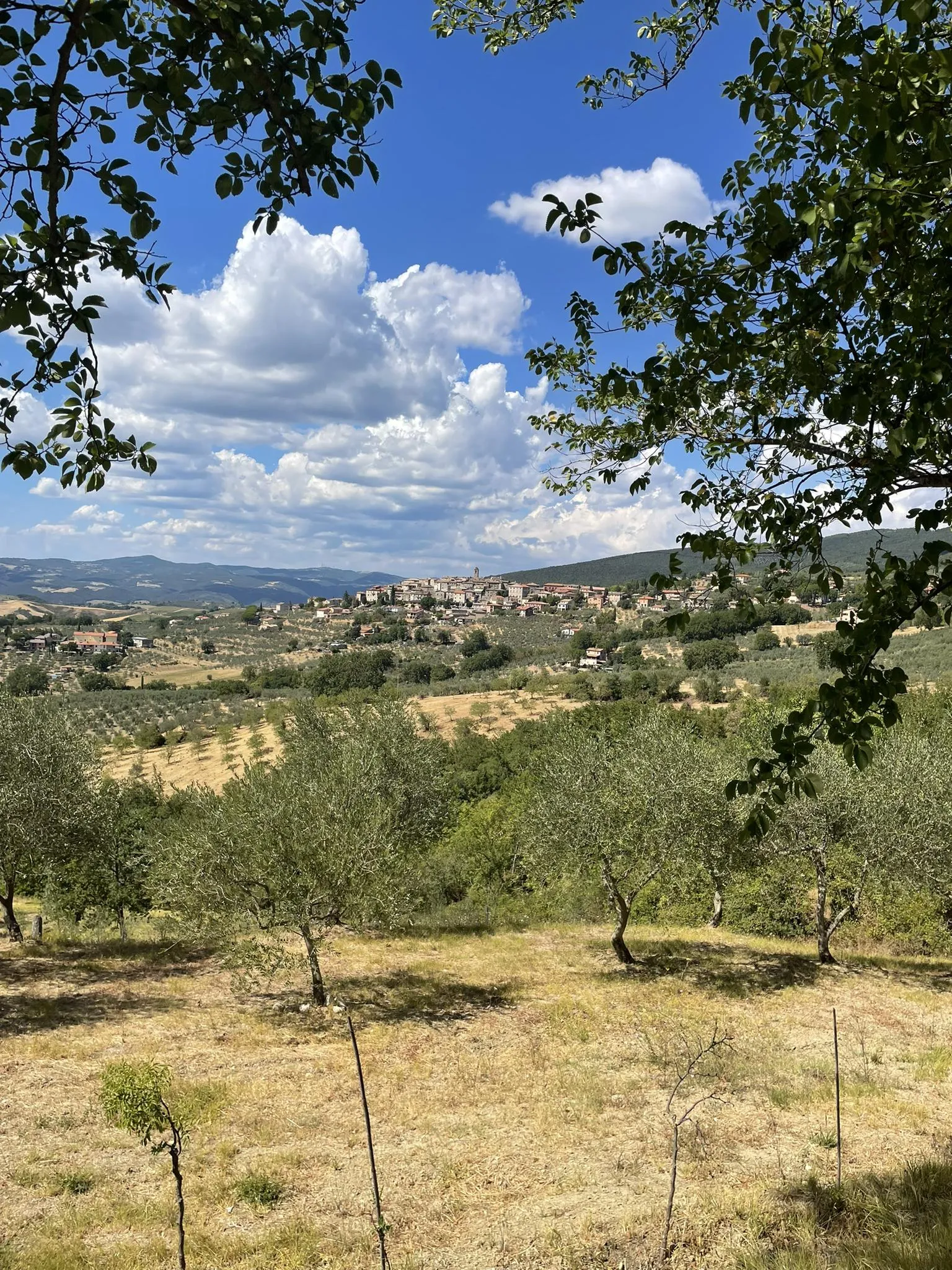
Hiking in Italy’s Umbria region – Cammino dei Borghi Silenti
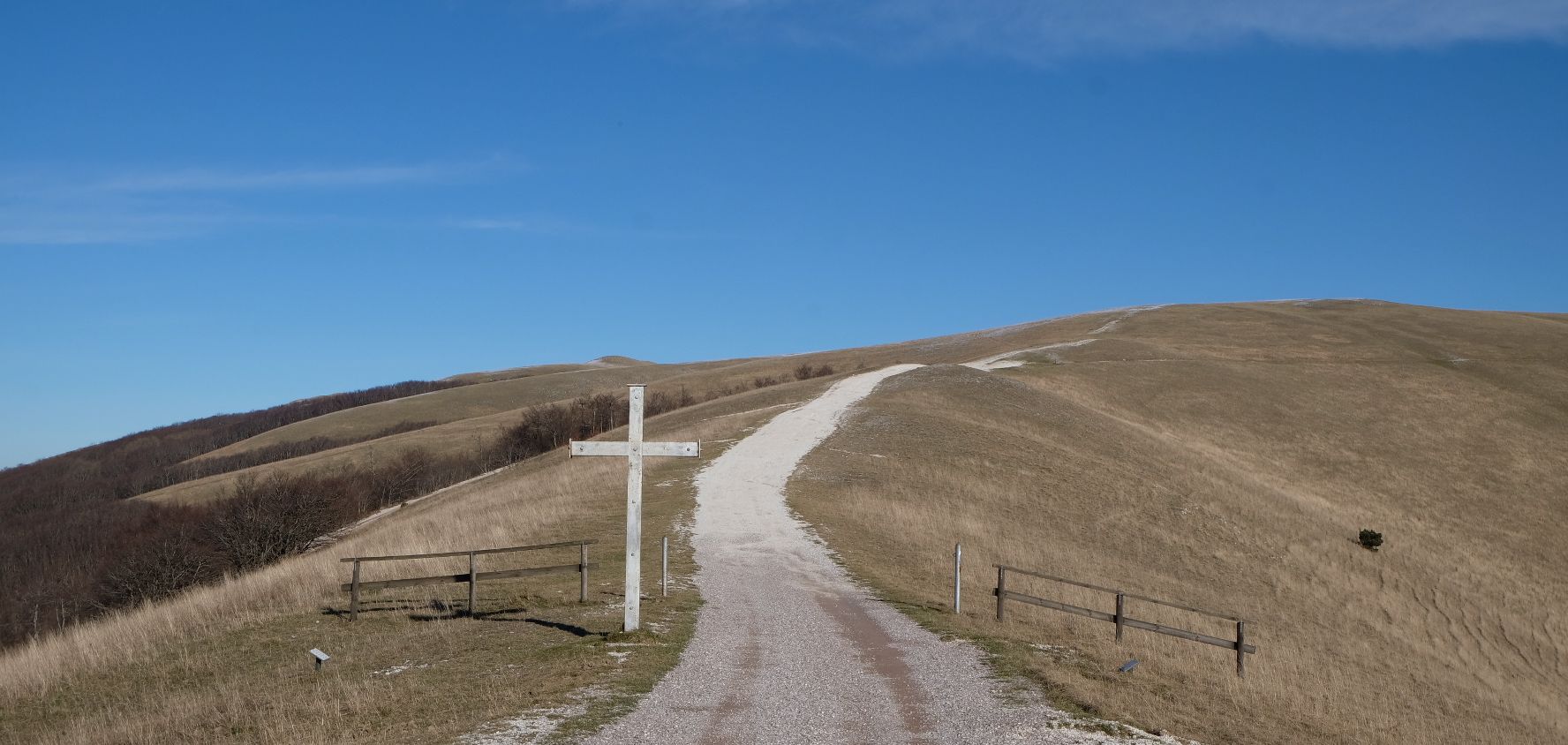
In the footsteps of St. Francis - Cammino di Assisi
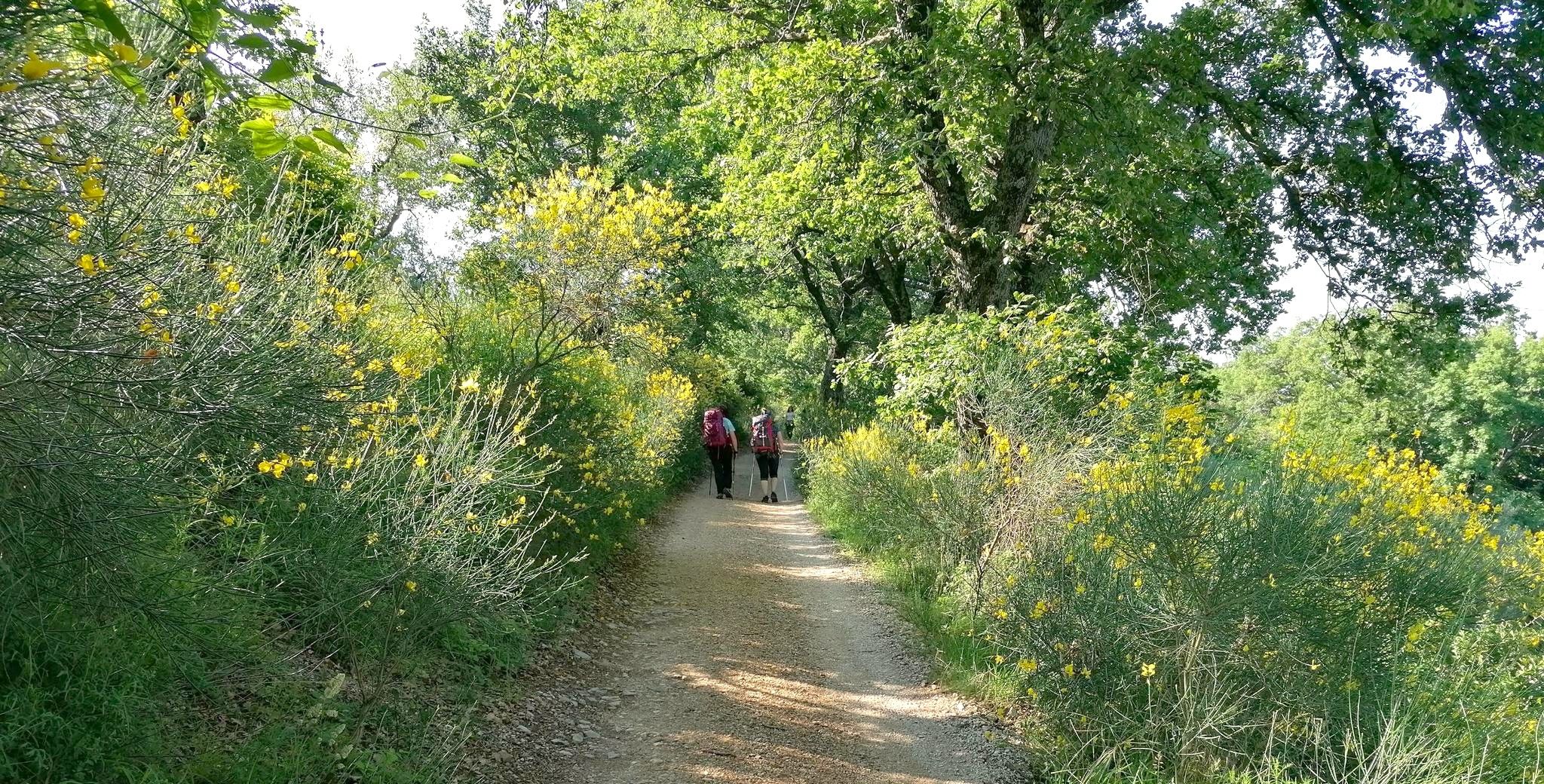
A journey of faith between Umbria and Marche – Via Lauretana
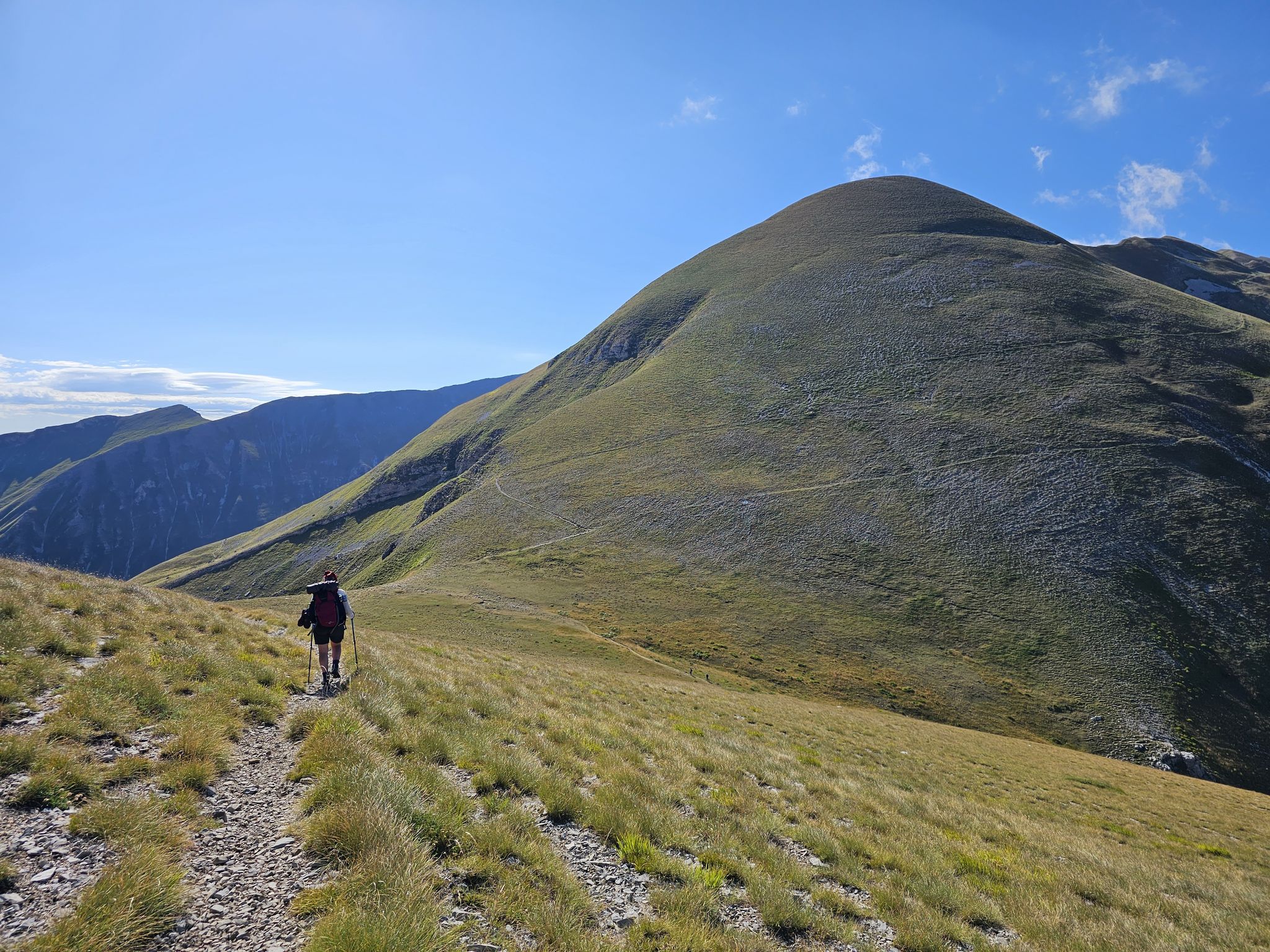
The Sibillini Mountains to Gran Sasso – the Great Apennine Crossing
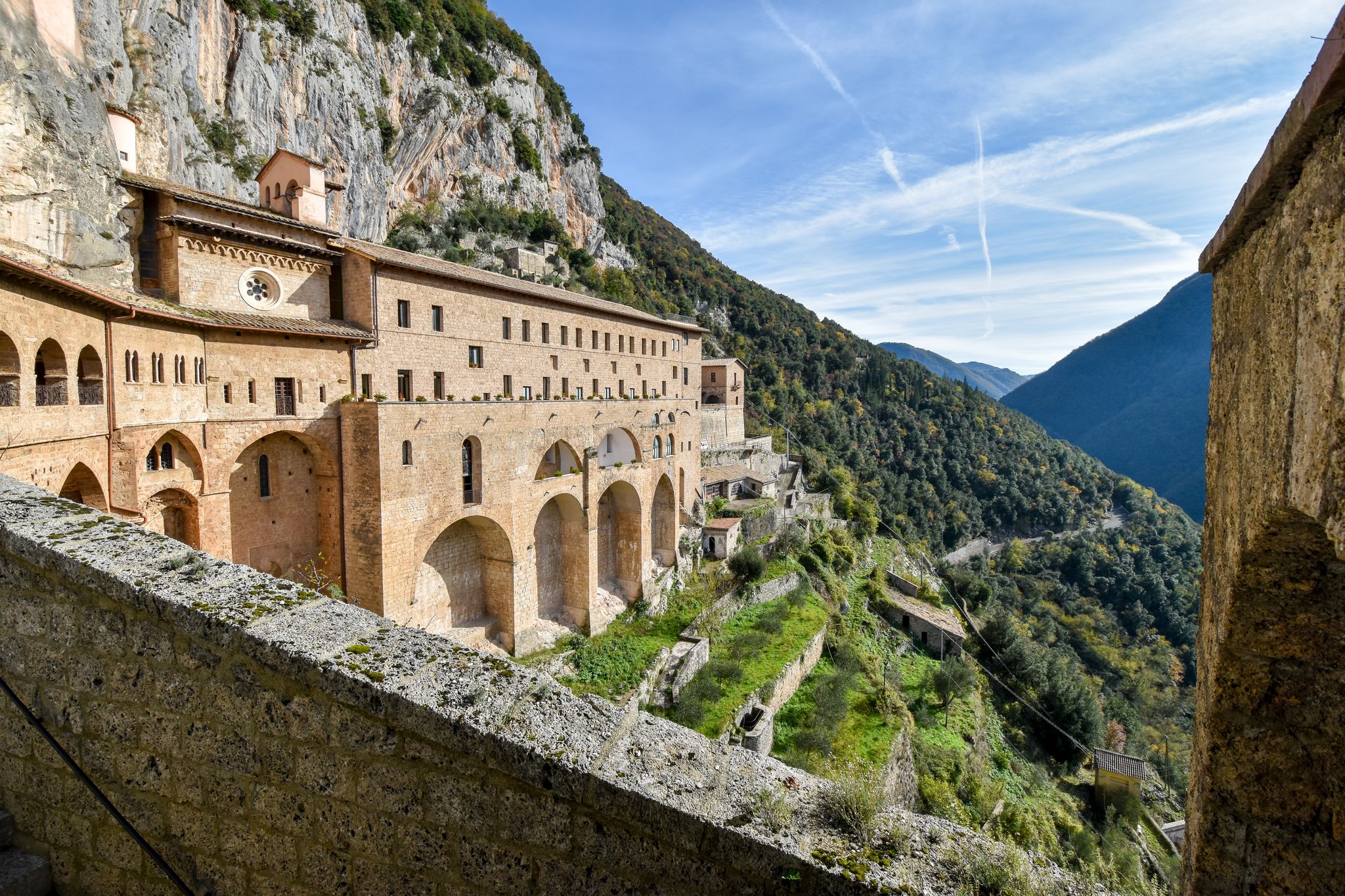
In the Footsteps of Saint Benedict - The Benedict Way
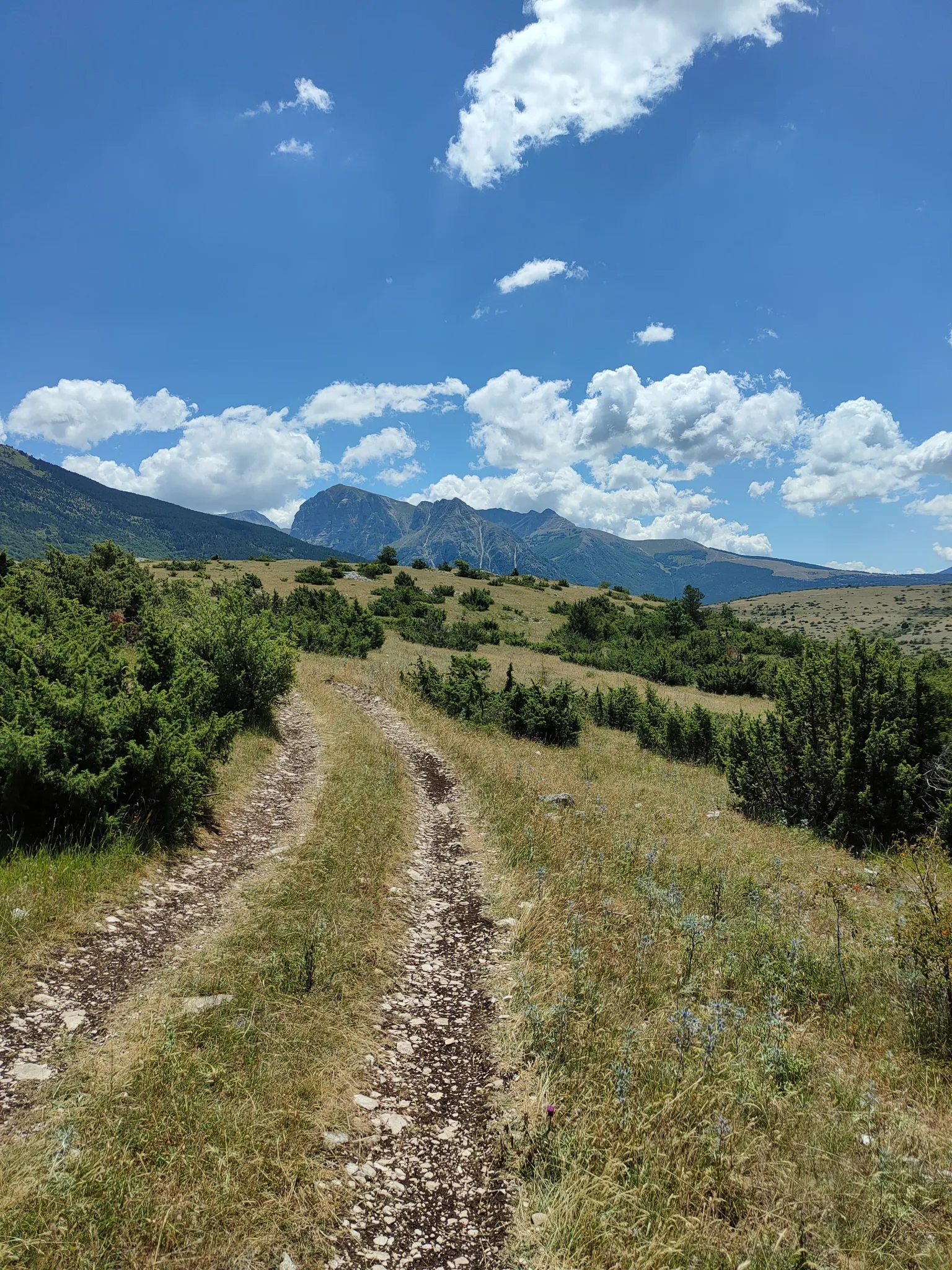
On the trail of the Queen of the Fairies – Grande Anello dei Sibillini
Other adventures in Umbria


Tips from the Community

This enchanting medieval street connects Via Beato Angelico to Via del Duomo, just steps from the city's famous cathedral. It is known for its stone arches, climbing plants, and historic artisan workshops, which display traditional ceramic and wood products.
0
0
La Rocca Paolina is an extraordinary Renaissance fortress located in the historic center of Perugia, world-famous for housing a true medieval underground city beneath the modern surface
2
0

In the heart of the historic center, the Sala dei Notari is a prestigious historic space located within the Palazzo dei Priori in Piazza IV Novembre. Originally the people's hall in the 13th century, it became the seat of the Arte dei Notai in 1582. It is characterized by Romanesque vaults, frescoes by the Maestro del Farneto and Matteo Tassi, and hosts events, conferences, and concerts.
1
0
The Cassero di Porta di Sant'Angelo is one of the medieval gates of Perugia's walls, located in the Sant'Angelo district, at the end of Corso Garibaldi, adjacent to the Temple of Sant'Angelo. It's easy to reach by climbing through the streets of the university district.
0
0

The Roman Theater of Spoleto is one of the most important Roman monuments in the city and represents a significant testimony to the cultural life of ancient Spoletium. It was built in the 1st century BC, in an area near the forum, according to the architectural models of classical Roman theater. The cavea, built against the natural slope of Sant'Elia Hill, was divided into sectors and could accommodate several thousand spectators. Opposite were the orchestra and the monumental stage, originally decorated with columns, niches, and statues, which served as a backdrop for theatrical and musical performances. The building was constructed of masonry and clad in local stone, with technical solutions that ensured good acoustics. After the end of the Roman era, the theater was gradually abandoned and was partially incorporated into medieval buildings. The area was restored in the 20th century, restoring the structure's visibility and highlighting its archaeological importance. Today, the Roman Theatre is part of the National Archaeological Museum of Spoleto and continues to serve a cultural purpose, hosting events and performances that renew the city's connection to its thousand-year-old theatrical tradition.
0
0

A beautiful park located right next to St. Patrick's Well, offering a stunning view. Just before the entrance, on the right, there's also a beautiful War Memorial.
0
0

If you've never seen Rocca Paolina, you have to see it... come to Perugia
1
0

The only palace in the world where you have to stand in a corner to admire its beauty.
0
0
Frequently Asked Questions
How many urban hiking trails are available in Umbria?
Umbria offers over 110 urban hiking trails, providing ample opportunities to explore its charming towns and cities on foot. The majority of these routes, around 96, are classified as easy, making them accessible for most walkers.
What is the best time of year for urban hiking in Umbria?
The best seasons for urban hiking in Umbria are spring and autumn. During these times, the weather is milder, and the natural scenery is vibrant, making for a more comfortable and picturesque experience. While summer can be warm, early mornings or late afternoons are still pleasant for city walks.
Are there any circular urban hikes in Umbria?
Yes, many urban routes in Umbria are designed as circular walks, allowing you to start and end in the same location. For example, the Ponte delle Torri – Cathedral Square, Spoleto loop from Spoleto is an easy 6 km circular route, perfect for exploring the city's highlights.
What kind of landmarks can I expect to see on urban hikes in Umbria?
Urban hikes in Umbria often lead through historic centers, revealing a wealth of architectural and cultural landmarks. You can expect to see ancient cathedrals, medieval towers, and historic squares. Notable examples include the Moro Tower and Orvieto Cathedral in Orvieto, or the San Lorenzo Cathedral and Palace of the Priors in Perugia.
Are there family-friendly urban hiking options in Umbria?
Absolutely. Many urban trails in Umbria are easy and suitable for families. These routes often feature gentle inclines and allow for stops at parks, cafes, or historical sites that can engage younger explorers. The Piazza Italia – Rocca Paolina — The Underground City loop from Perugia Sant'Anna is an easy 6.5 km route that offers interesting sights for all ages.
What do other hikers enjoy most about urban hiking in Umbria?
The komoot community highly rates urban hiking in Umbria, with an average score of 4.4 stars from over 9,300 ratings. Reviewers often praise the region's ability to blend rich history with beautiful urban landscapes, the well-preserved medieval towns, and the panoramic views encountered along the routes.
Are there any urban hikes that offer unique historical insights, like underground cities?
Yes, some urban hikes in Umbria delve into the region's fascinating history, including its underground secrets. The Piazza Italia – Rocca Paolina — The Underground City loop from Perugia Sant'Anna specifically highlights Perugia's intriguing subterranean passages, offering a unique perspective on the city's past.
Can I find urban hikes that connect to natural features or offer scenic viewpoints?
While focused on urban settings, many trails in Umbria's hill towns naturally offer stunning views of the surrounding 'Green Heart' landscape. For example, the Ponte delle Torri – Cathedral Square, Spoleto loop provides views of the iconic aqueduct and the valley beyond. You might also find routes that skirt the edges of towns, offering glimpses of olive groves and rolling hills.
Is public transport a viable option for accessing urban hiking trailheads in Umbria?
Yes, Umbria's towns and cities are generally well-connected by public transport, making it a convenient way to reach urban hiking trailheads. Many routes start directly from city centers or near train and bus stations, allowing for easy access without a car.
Are there any urban hikes that feature ancient Roman or Etruscan architecture?
Umbria's long history means that many urban hikes will bring you close to ancient Roman and Etruscan heritage. For instance, the San Lorenzo Cathedral – Etruscan Arch of Perugia loop from Perugia specifically highlights the impressive Etruscan Arch, offering a direct encounter with the region's ancient past.
What is the typical difficulty level for urban hikes in Umbria?
The majority of urban hikes in Umbria are classified as easy, with 96 out of 114 routes falling into this category. There are also 18 moderate routes, but no difficult ones, making the urban trails accessible for a wide range of fitness levels. Expect some gentle inclines as many towns are built on hills.
Most popular routes in Umbria
Most popular attractions in Umbria

Get inspired with the komoot mobile app


Didn’t find what you were looking for?
Check out more Hikes throughout Umbria below and find the perfect route in your destination.
Explore more
Browse the best Hikes in other regions.
