The best hikes from bus stations around Parco Naturale Regionale del Monviso
4.6
(5181)
33,866
hikers
26
hikes
Bus station hiking trails around Parco Naturale Regionale del Monviso offer access to the dramatic alpine landscapes of the Cottian Alps, dominated by the majestic Monviso peak. The region features a diverse network of trails, ranging from lower elevations with pedunculate oaks and beeches to higher altitudes with larches, stone pines, and alpine grasslands. Key natural features include Pian del Re, the source of the Po River, and over 20 alpine lakes, providing varied terrain for hikers.
Best bus station…
Last updated: May 16, 2026
4.9
(30)
141
hikers
23.1km
10:22
1,660m
1,660m
Hard hike. Very good fitness required. Sure-footedness, sturdy shoes and alpine experience required.
4.8
(4)
21
hikers
10.2km
04:10
730m
730m
Moderate hike. Good fitness required. Mostly accessible paths. Sure-footedness required.

Sign up for free
5.0
(2)
14
hikers
8.43km
03:37
530m
520m
Hard hike. Good fitness required. Sure-footedness, sturdy shoes and alpine experience required.
5.0
(3)
17
hikers
4.03km
01:22
190m
190m
Moderate hike. Great for any fitness level. Mostly accessible paths. Sure-footedness required.
5.0
(10)
74
hikers
20.2km
07:09
1,030m
1,020m
Hard hike. Very good fitness required. Mostly accessible paths. Sure-footedness required.
Get access to more routes and recommendations from other explorers.
Sign up for free
Already have an account?
Our route recommendations are based on thousands of hikes, rides, and runs completed by other people on komoot.
Start today with a free account
Your next adventure awaits.
Login or Signup
Popular around Parco Naturale Regionale del Monviso
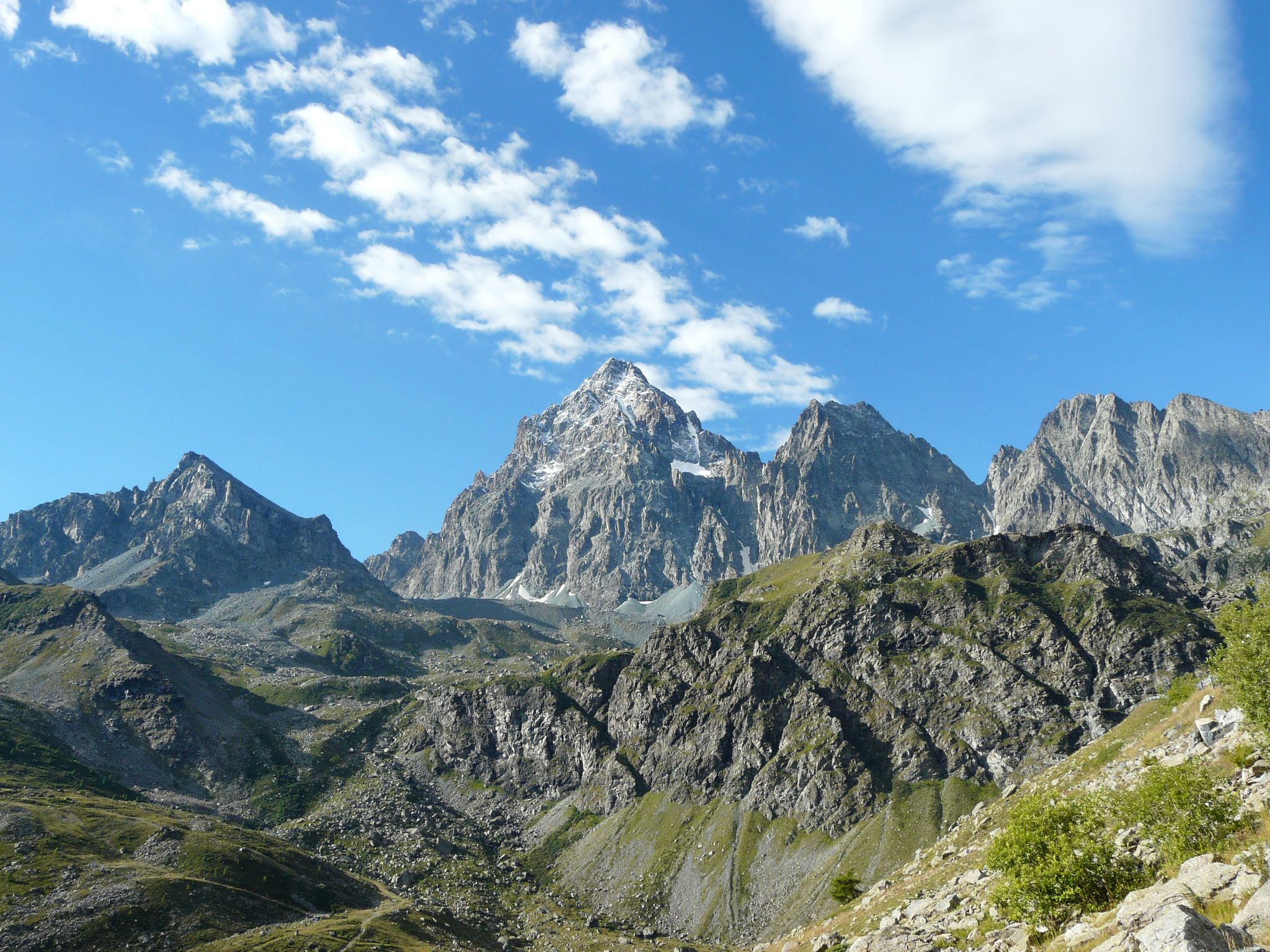
Tour di Viso – Four days around the Stone King from Castello
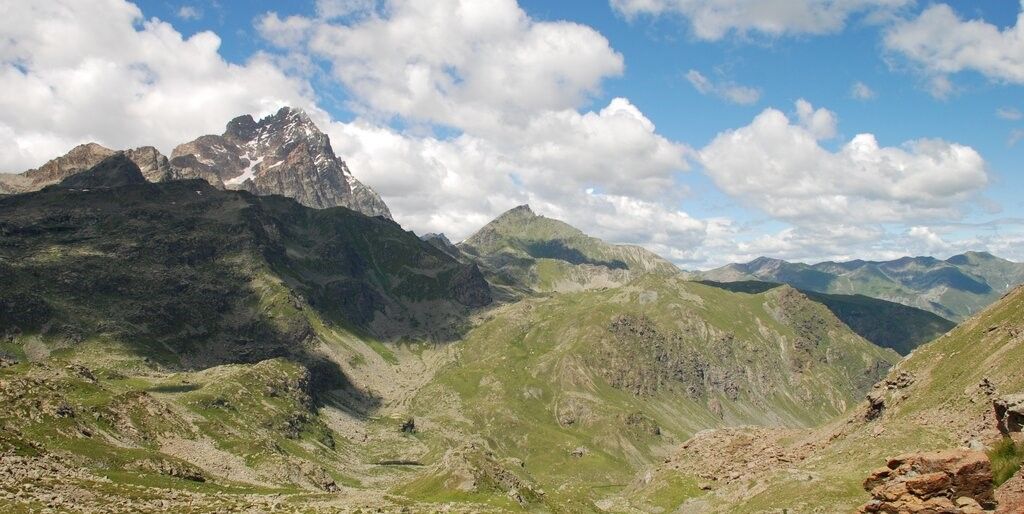
Tour di Viso – Four days around the Stone King from Meire Dacant
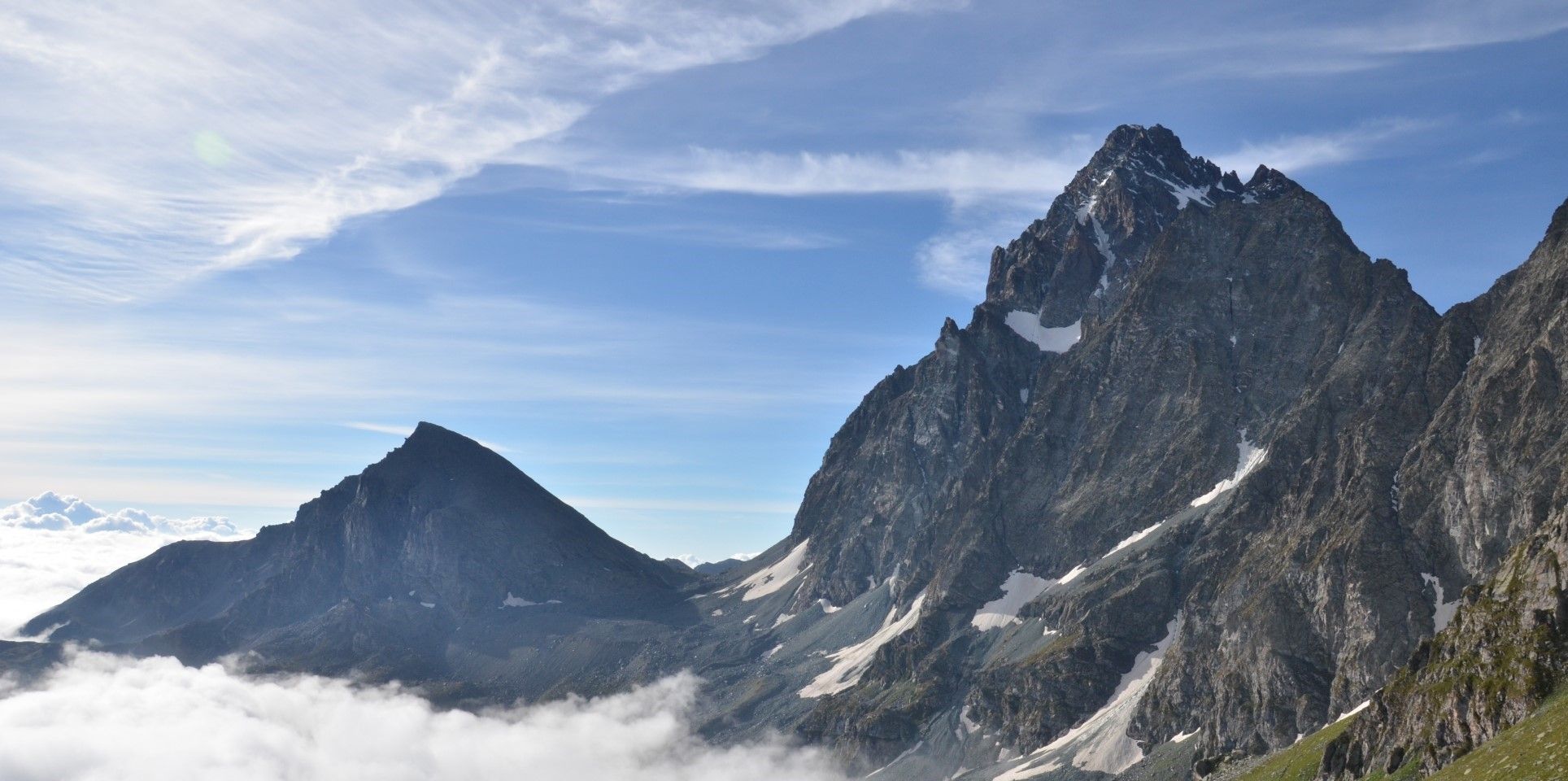
Viso Tour from Castello (variant) – Three days around the Stone King
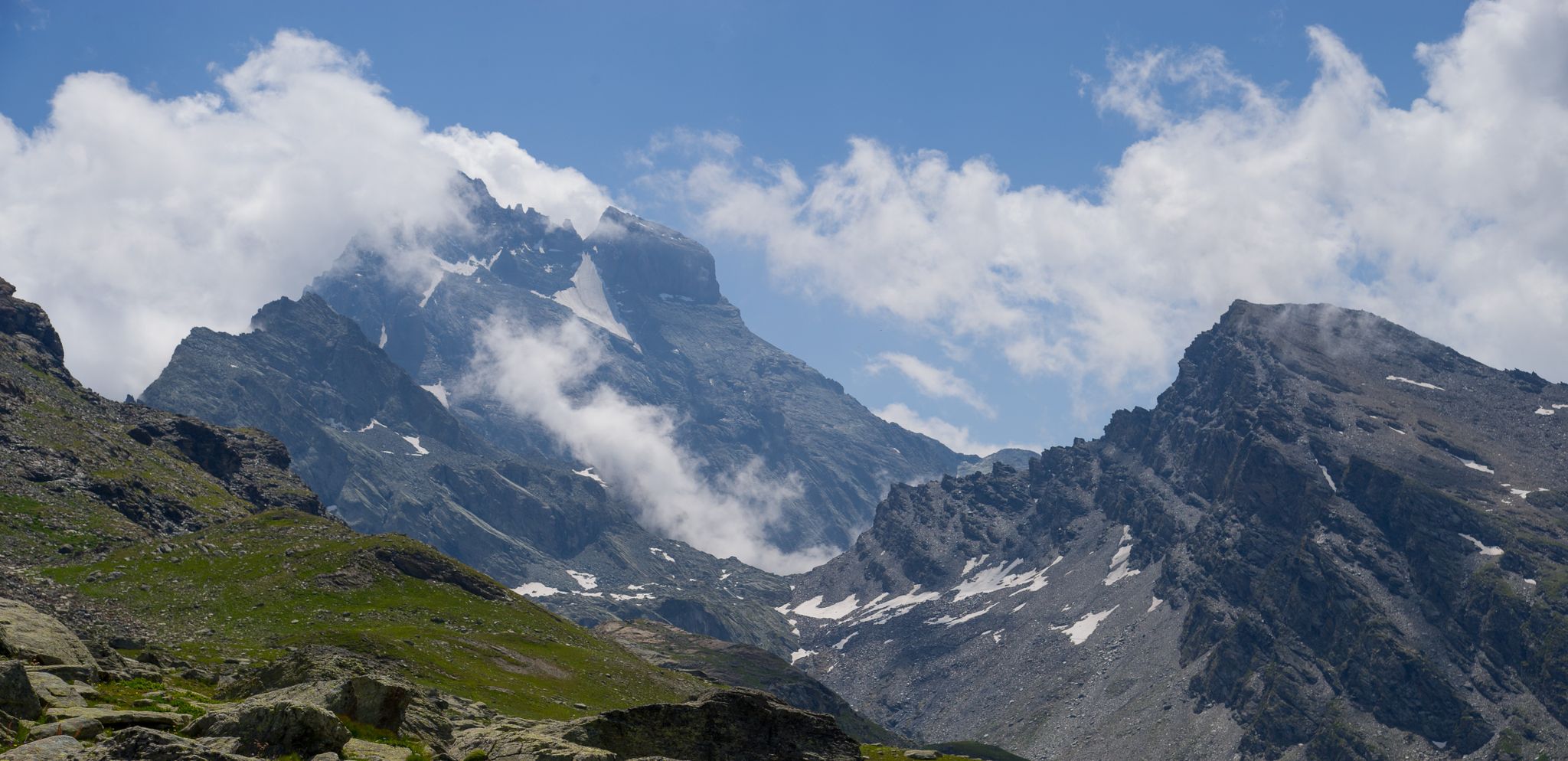
Tour di Viso from Pian del Re – Three days around the Stone King
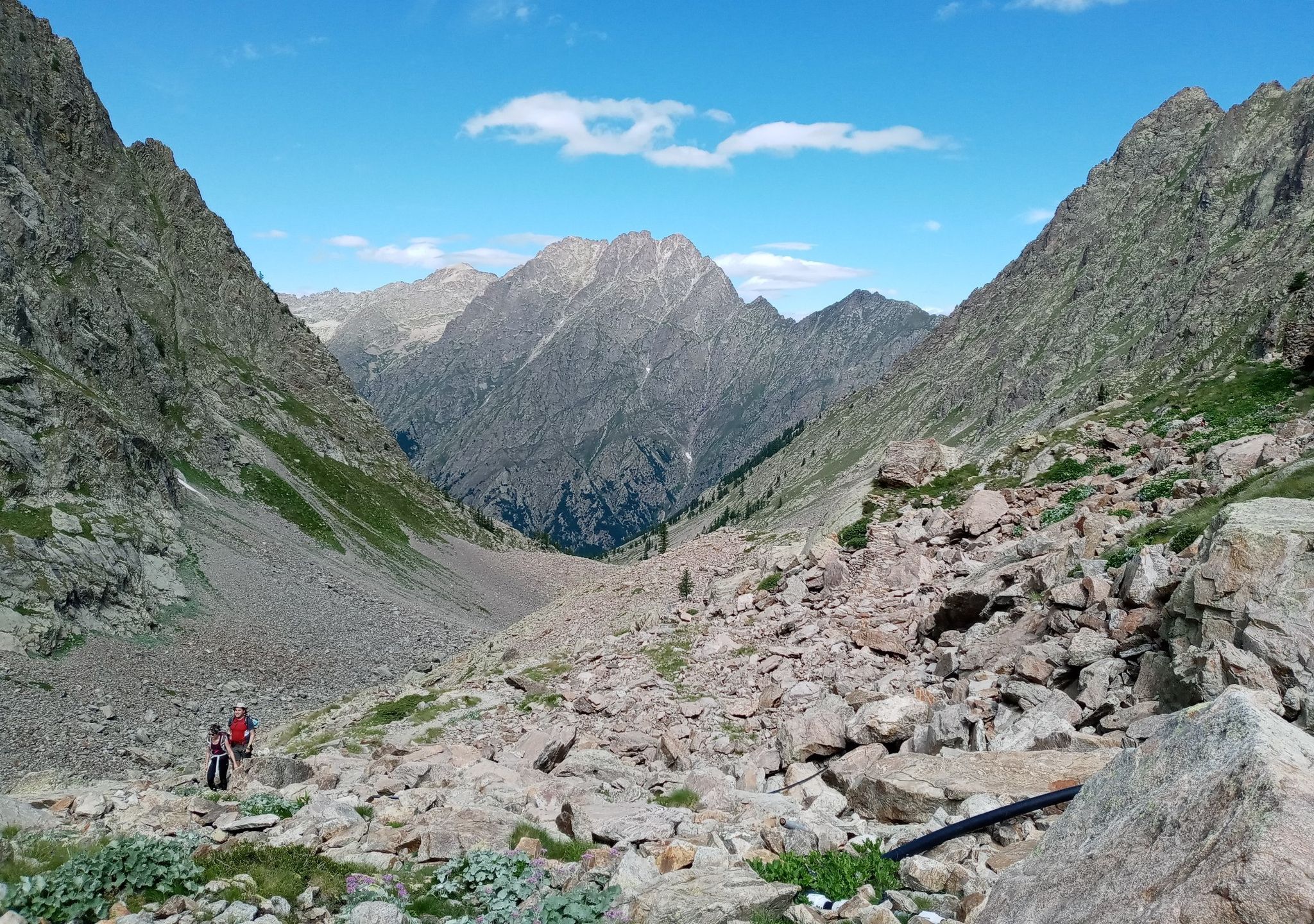
GTA South Piedmont — Hiking in Italy's Occitan valleys
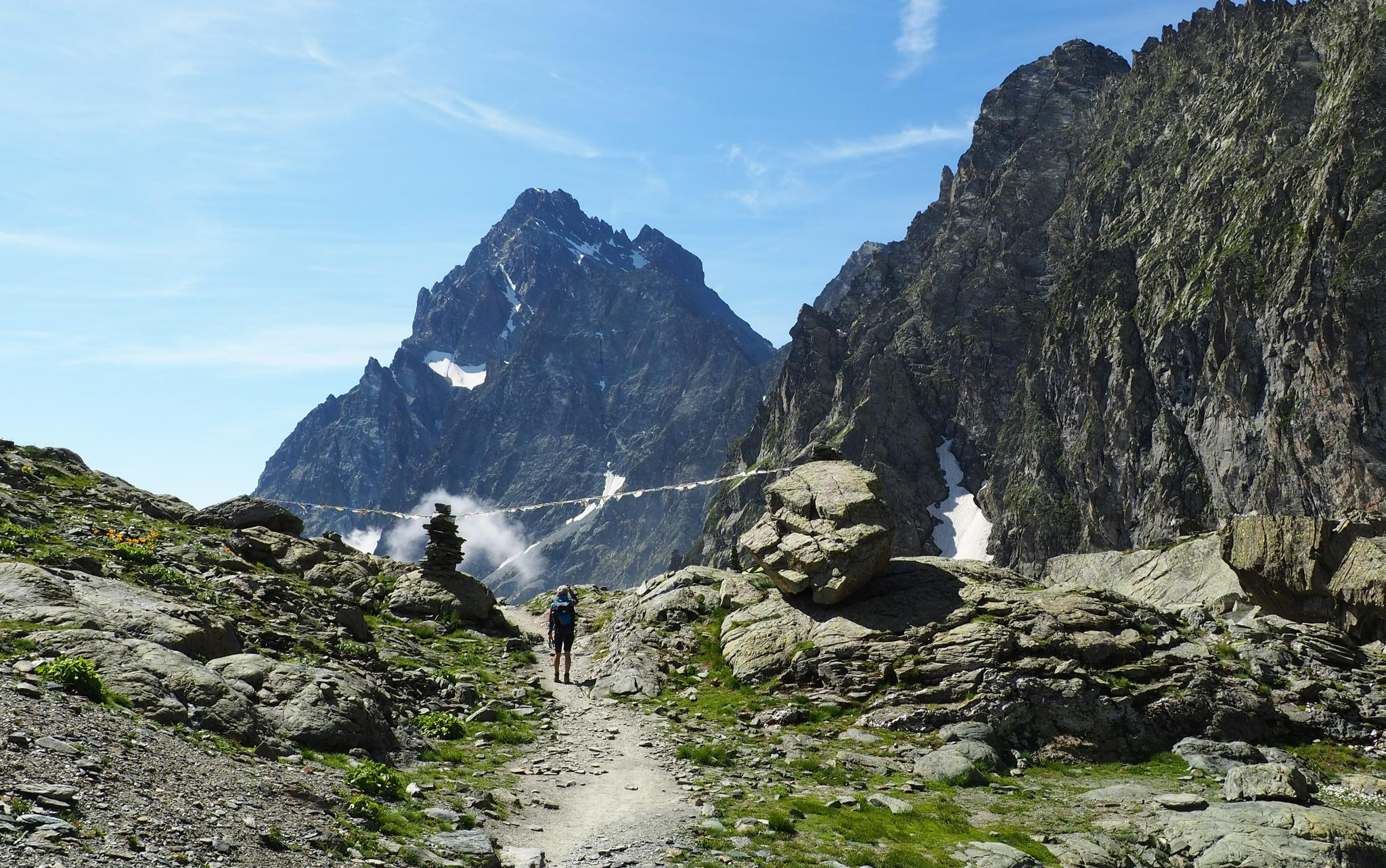
On the trails of the Stone King – trekking among the huts of Monviso
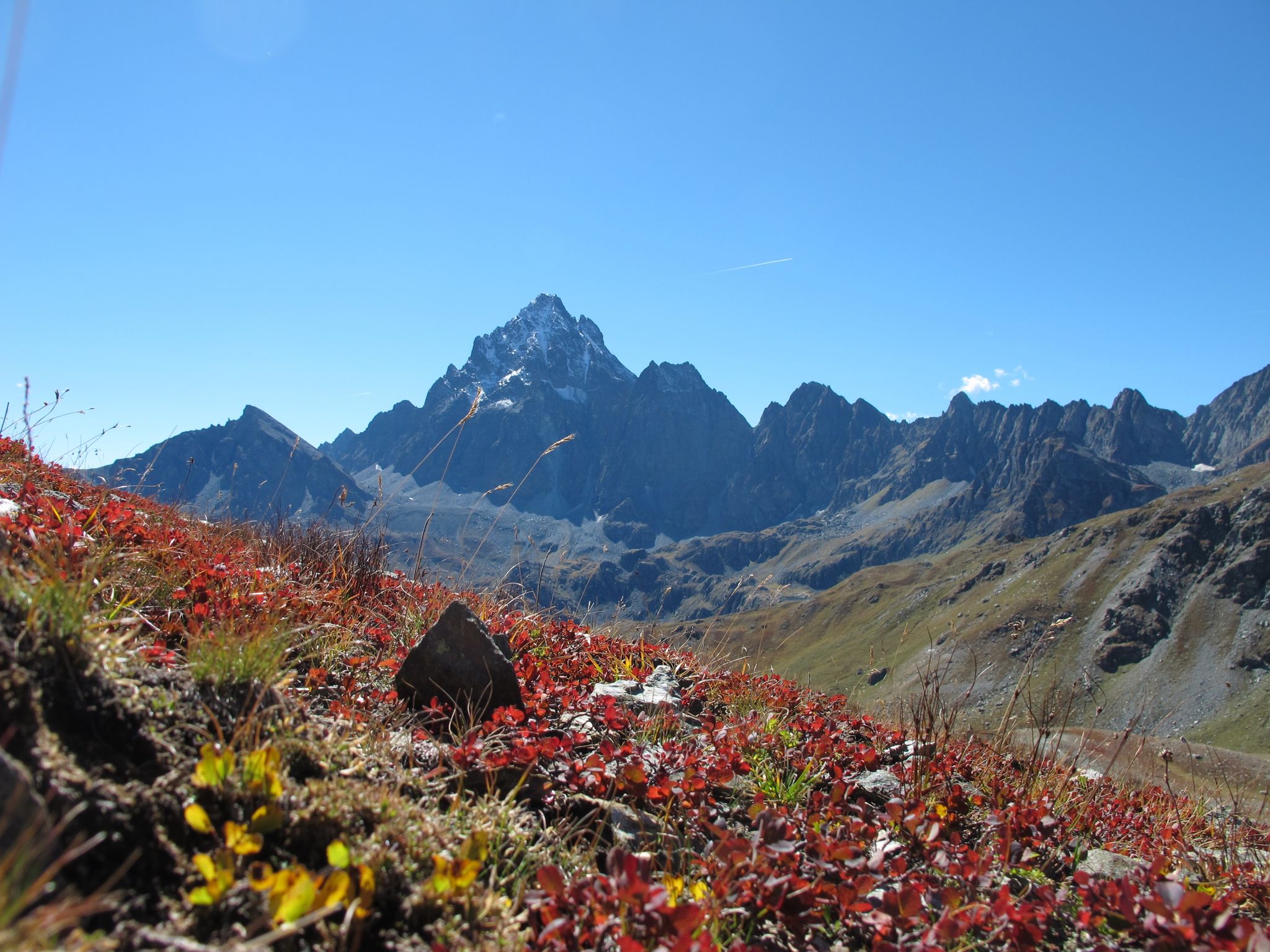
Three days around il Re di Pietra ─ Giro di Viso from Castello
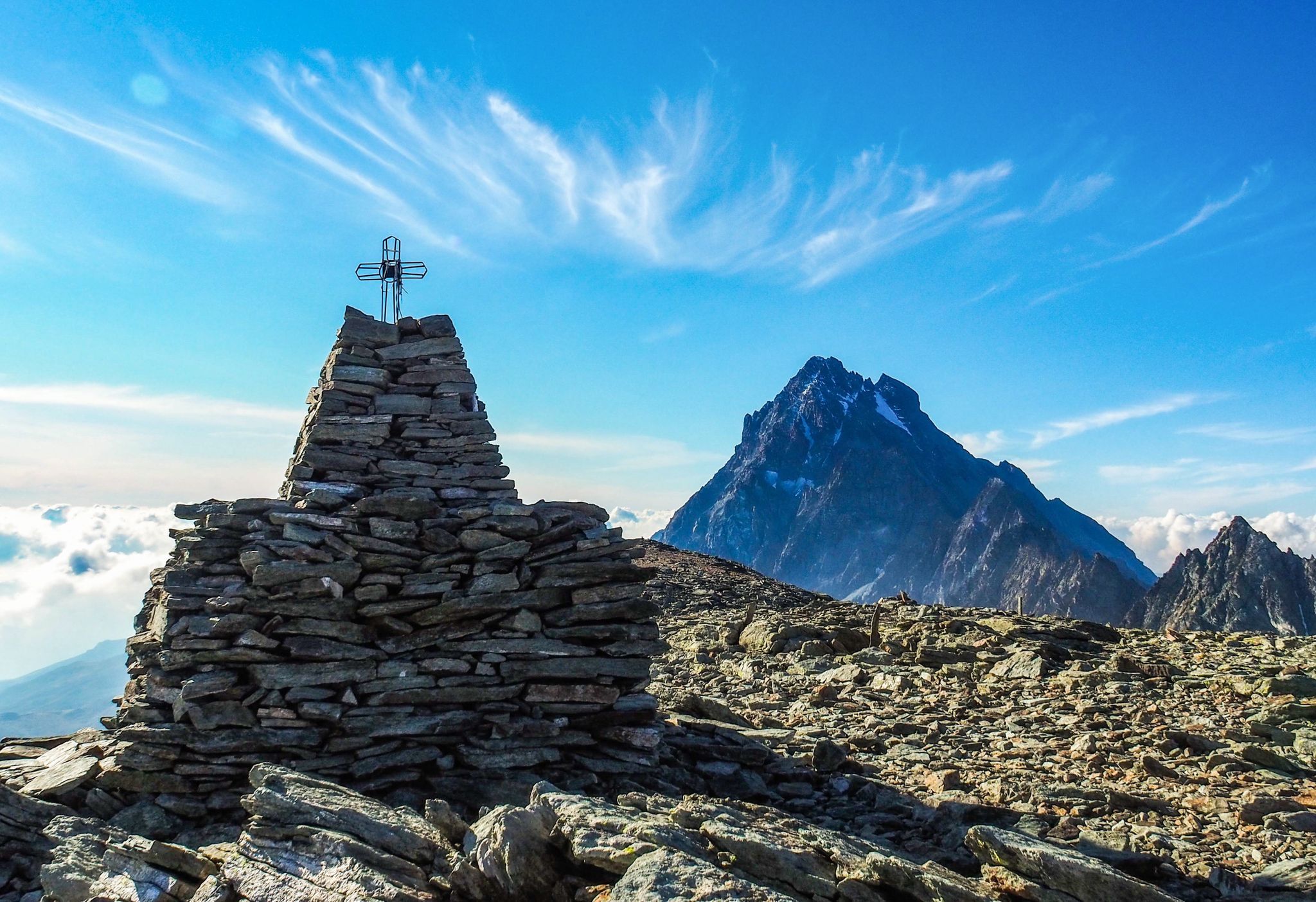
Where birds of prey swoop – 8 peaks over 3,000 metres in Monviso
Varaita Valley Trekking – a journey into the lands of Italy’s Monviso
The Tour of Mount Viso – hike around Italy’s Stone King
Other adventures around Parco Naturale Regionale del Monviso


Tips from the Community

Added to the collection: komoot.com/de-de/collection/3600632/-naturdenkmaeler-besondere-baeume-und-weitere-schaetze-der-natur
0
0

A small flat area as you climb up to Bagnour. Several trails converge here.
0
0

Alpine church, built and inaugurated in 1899, designed by Giuseppe Gastaldi and frescoed by Giuseppe Catei, commissioned by the parish priest of Crissolo, Don Giacomo Lantermino. On July 28, 1892, Lantermino celebrated a mass at the summit of Monviso in the presence of about forty mountaineers. They urged the parish priest to build a votive chapel dedicated to Our Lady of the Snows at this altitude, where a mass could be celebrated every year. The rocky spur at the base of the Pian del Re plateau, clearly visible from the small village of Pian della Regina, was ultimately chosen as the location. Although the initial plan was to build it at the summit of Mount Re di Pietra, it was later abandoned due to the logistical difficulties of building it up there. The church has a characteristic layout that contrasts with those of most other churches: a façade with an entrance to the east and an apse to the west. This choice was undoubtedly made to make it highly visible from the inhabitants of the village of Crissolo below. It has a rectangular body and a bell gable. The church endured a troubled life in the following decades. In fact, only the following year (1900) the chapel's roof collapsed due to heavy snowfall. It was promptly rebuilt; but in the following decades it underwent various renovations and maintenance, until it was no longer used and fell into abandonment and decay in the 1970s, as well as being the target of vandals on several occasions. Between 2005 and 2007, restoration and repair work was carried out, both inside and out, bringing the church back to its current splendor. The façade and interior are decorated in neo-Gothic style and the roof is made of slate.
9
0

Beautiful ride. There's plenty of portage/sprinting going up towards Vallanta. Recommended for those who love this type of trail.
0
0


Frequently Asked Questions
How many bus-accessible hiking trails are available in Parco Naturale Regionale del Monviso?
There are over 25 hiking routes in Parco Naturale Regionale del Monviso that are accessible from bus stations. These trails offer a range of difficulties, from easy walks to challenging mountain treks, allowing you to explore the region's diverse landscapes without needing a car.
Are there easy hiking options accessible by bus in the Monviso region?
Yes, the region offers several easy hikes reachable by bus. For instance, the Casteldelfino village – Along the Varaita Stream loop from Casteldelfino is an easy 5.7 km route with minimal elevation gain, perfect for a relaxed stroll. These trails are great for beginners or those looking for a less strenuous experience.
What about more challenging bus-accessible hikes in Parco Naturale Regionale del Monviso?
For experienced hikers seeking a challenge, there are several difficult routes accessible by bus. The Pian della Regina Plateau – Pian del Re Hut loop from Crissolo is a demanding 23 km hike with over 1600 meters of elevation gain, offering spectacular alpine views. Another challenging option is the Grotta di Rio Martino loop from Crissolo, which is 8.4 km long with significant ascents.
Are the bus-accessible trails in Monviso suitable for families?
Many trails are suitable for families, especially those classified as easy or moderate. Routes like the Casteldelfino village – Along the Varaita Stream loop from Casteldelfino provide gentle terrain. When planning, consider the distance and elevation gain to ensure it matches your family's abilities. The park's diverse flora and fauna, including marmots and chamois, can also make for an engaging experience for children.
Can I bring my dog on these bus-accessible hikes?
Generally, dogs are welcome on trails in Parco Naturale Regionale del Monviso, but it's crucial to keep them on a leash, especially in areas with wildlife or grazing livestock. Always check specific trail regulations before you go, as some protected areas or certain sections might have restrictions. Remember to carry water for your dog and clean up after them.
Are there circular hiking routes accessible from bus stations?
Yes, many of the bus-accessible routes are circular, allowing you to start and end your hike at the same bus stop. Examples include the Grangia Peira Grangetta – Lake Bagnour loop from Casteldelfino and the Colle della Battagliola – Scenic viewpoint over the lake loop from Casteldelfino. Circular routes are convenient for public transport users as they eliminate the need for return logistics.
What natural attractions can I see on bus-accessible hikes?
The bus-accessible trails often lead to some of the park's most stunning natural features. You can visit the Source of the Po River at Pian del Re, or discover beautiful alpine lakes like Lake Fiorenza. The region is also home to the Alevè Forest, the largest stone pine forest in the Western Alps, offering serene walks and unique biodiversity.
Are there any specific points of interest along these trails?
Beyond the natural beauty, you can find interesting points of interest. The Pian del Re Hut serves as a significant landmark and starting point for many high-altitude excursions. You might also encounter the Monumental Swiss Stone Pine near Lake Bagnour, a notable natural monument.
What is the best time of year to hike from bus stations in Parco Naturale Regionale del Monviso?
The best time for hiking in Parco Naturale Regionale del Monviso is generally from late spring (June) to early autumn (September). During these months, the weather is more stable, trails are usually free of snow, and bus services to higher elevations are more frequent. Autumn offers stunning foliage, while summer provides lush greenery and wildflowers. Winter hiking is possible but requires specialized equipment and experience due to snow and ice.
What do other hikers enjoy most about hiking in Parco Naturale Regionale del Monviso?
The area is highly rated by the komoot community, with an average score of 4.6 stars. Reviewers often praise the majestic views of the Monviso peak, the pristine alpine lakes, and the rich biodiversity. Hikers appreciate the well-maintained trails and the opportunity to experience a UNESCO Biosphere Reserve, often highlighting the sense of tranquility and immersion in nature.
Are there opportunities for wildlife spotting on bus-accessible trails?
Yes, Parco Naturale Regionale del Monviso is rich in wildlife. On bus-accessible trails, especially in quieter areas, you have a good chance of spotting chamois, ibex, marmots, and various bird species like golden eagles. Keep an eye out for the rare Lanza's salamander, the park's symbol, near water sources. Early mornings or late afternoons are often the best times for wildlife observation.
Most popular routes around Parco Naturale Regionale del Monviso
Most popular attractions around Parco Naturale Regionale del Monviso

Get inspired with the komoot mobile app


Explore more
Browse the best Hikes in other regions.
