The best walks and hikes in Cap De Creus
4.6
(5060)
32,694
hikers
142
hikes
Hiking in Cap De Creus offers routes through a rugged, wind-sculpted landscape where the Pyrenees meet the Mediterranean. This natural park features dramatic cliffs, unique rock formations, and a coastline with minuscule creeks and hidden coves. The terrain is shaped by the powerful Tramuntana wind and sea salinity, creating a distinctive environment for outdoor exploration.
Best hiking trails in Cap De Creus
- The most popular hiking route is Cap de Creus Camí de Ronda Loop, a 7.0 miles (11.3 km) trail that takes 3 hours 10 minutes to complete, featuring rugged coastal paths and panoramic sea views.
- Another top favourite among local hikers is Cap de Creus Ancient Path – Trail with beautiful views loop from House-Museum Salvador Dalí, a moderate 7.8 miles (12.5 km) path that winds through unique rock formations and offers views of the Mediterranean.
- Local hikers also love the Monastery of Sant Pere de Rodes – Sant Pere de Rodes Monastery loop from Monestir de Sant Pere de Rodes, a 2.7 miles (4.3 km) trail leading through the historic Sant Pere de Rodes Monastery, often completed in about 1 hour 25 minutes.
- Hiking in Cap De Creus is defined by rocky, wind-sculpted terrain, dramatic cliffs, and hidden coves. The network offers options for various ability levels, from easy strolls to challenging day-long hikes.
- The routes in Cap De Creus are highly rated by the komoot community with an average score of 4.7 stars from over 1,400 reviews. More than 8,600 hikers have used komoot to explore Cap De Creus's varied terrain.
Last updated: July 7, 2026
4.6
(106)
474
hikers
11.3km
03:10
240m
240m
Moderate hike. Good fitness required. Mostly accessible paths. Sure-footedness required.
4.7
(253)
1,431
hikers
Moderate hike. Good fitness required. Easily-accessible paths. Suitable for all skill levels.

Sign up for free
4.7
(124)
711
hikers
11.3km
03:24
310m
310m
Moderate hike. Good fitness required. Easily-accessible paths. Suitable for all skill levels.
4.8
(68)
365
hikers
Moderate hike. Great for any fitness level. Mostly accessible paths. Sure-footedness required.
4.6
(61)
325
hikers
Moderate hike. Great for any fitness level. Mostly accessible paths. Sure-footedness required.
Get access to more routes and recommendations from other explorers.
Sign up for free
Already have an account?
Our route recommendations are based on thousands of hikes, rides, and runs completed by other people on komoot.
Start today with a free account
Your next adventure awaits.
Login or Signup


Tips from the Community

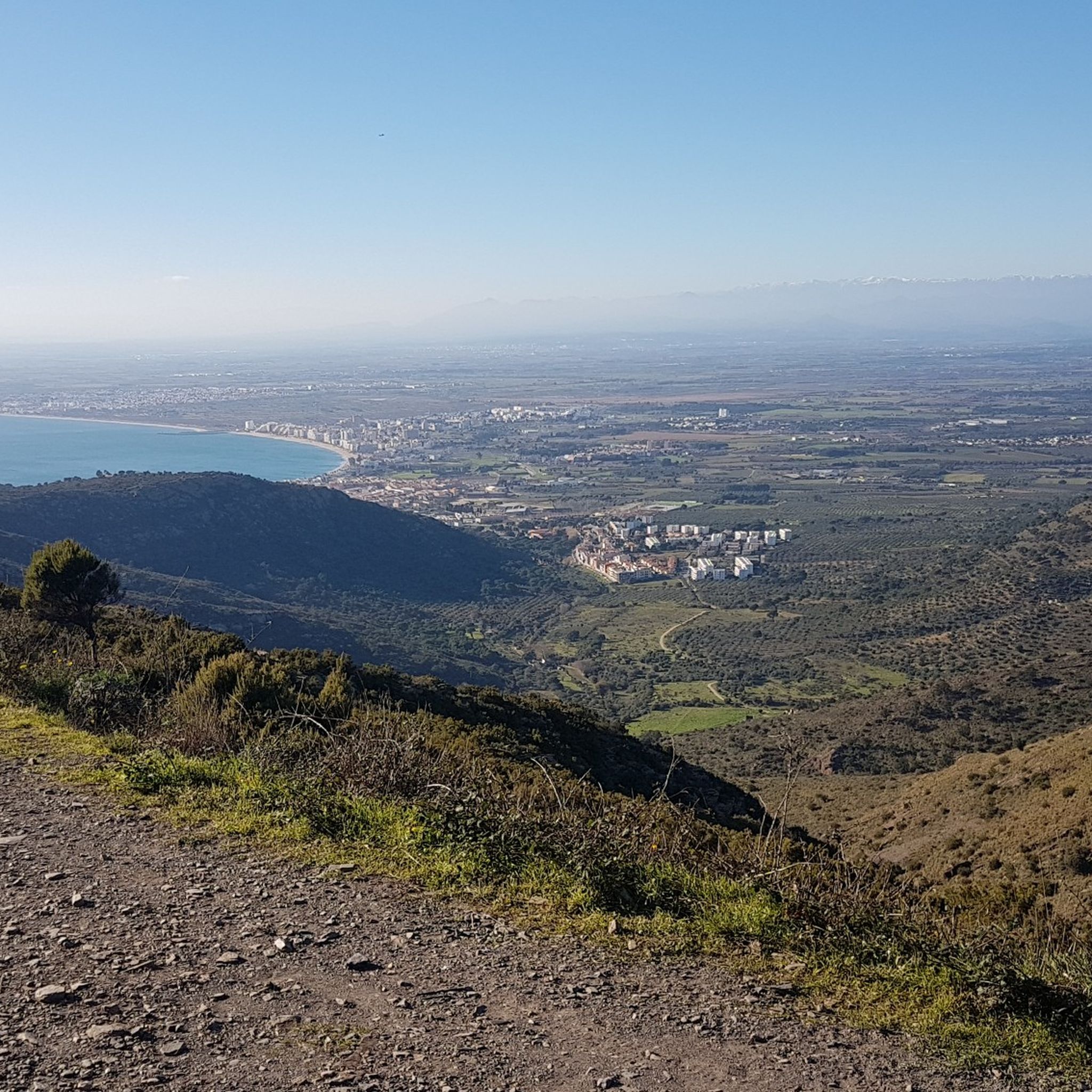
The view from the Benedictine abbey, founded in 878, across the sea, the bays and mountains of Cap de Creus is particularly magnificent.
0
0

Cala del Lledó, also known as Cala de la Font del Lledó, is a bay in the municipality of Roses. It consists mainly of boulders and pebbles and is characterized by moderate waves and strong winds. Cala del Lledó is located at the foot of a cliff. The Cala del Lledó is located in the Cap de Creus Natural Park. It is usually not very busy; even in high season, no more than 30% of the bay is occupied. This is probably due to its remote and difficult-to-access location.
3
0
A small, seemingly deserted cove nestled in a wild landscape. Nudism is practiced in this cove. Since 2009, it has held European and international environmental quality certification.
3
0

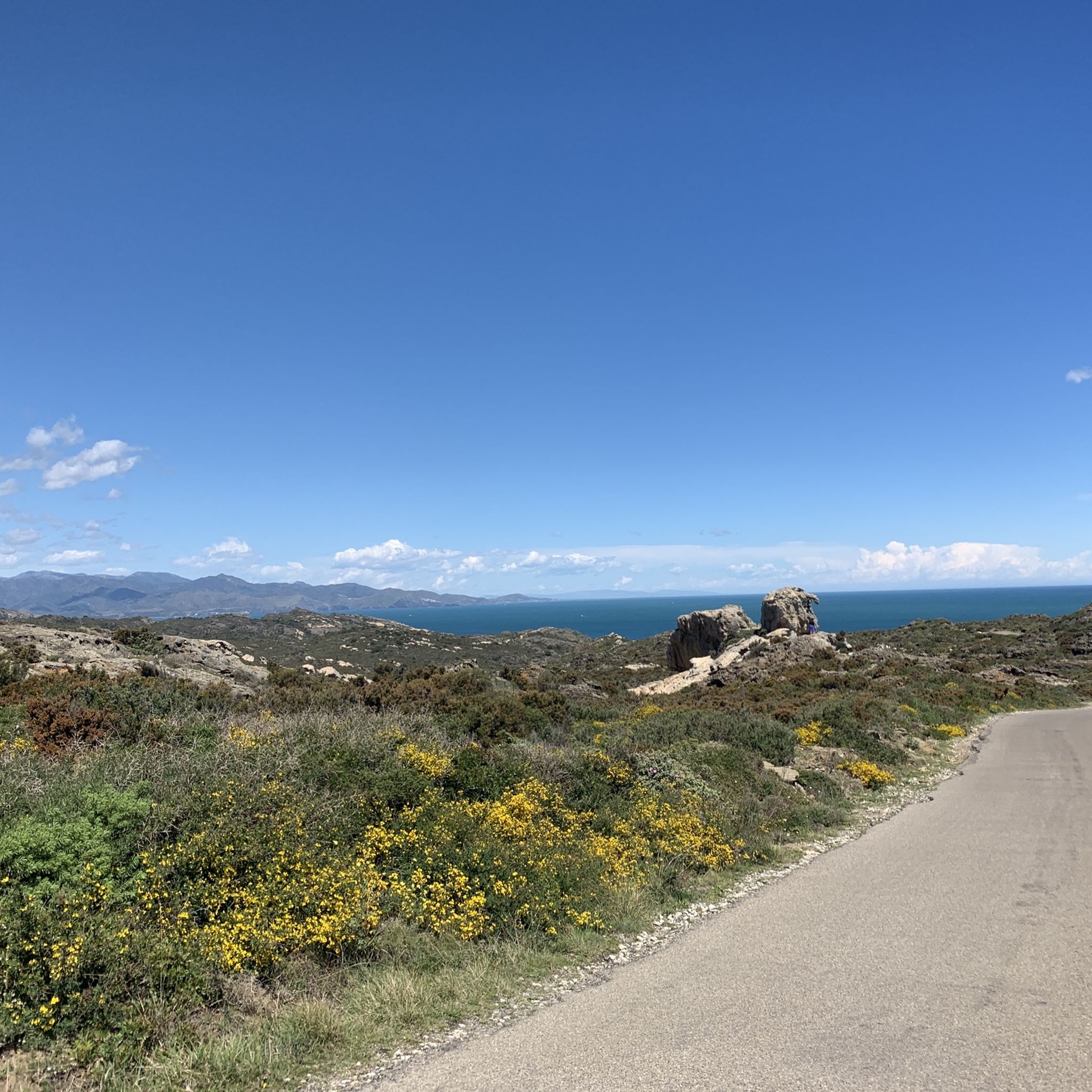
Super nice view of the sea and the national park
0
0
Super nice view of the sea and the national park
0
0

You have to visit this place with your bike.
1
0

Sant Pere de Rodes is a beautifully restored monastery ruin. The short hike there is worth it, as is the detour to the ruins of Santa Creu de Rodes. There is also a restaurant in the monastery.
0
1
Frequently Asked Questions
How many hiking trails are there in Cap de Creus?
Cap de Creus offers a wide variety of hiking opportunities, with over 120 routes available. These range from easy strolls to more challenging day-long hikes, catering to different fitness levels.
What kind of landscapes can I expect to see while hiking in Cap de Creus?
Hikers in Cap de Creus will experience a unique, wind-sculpted landscape where the Pyrenees meet the Mediterranean. The region is characterized by dramatic cliffs, unique rock formations shaped by the Tramuntana wind, and a stunning coastline with minuscule creeks and hidden coves. You'll find a blend of rugged terrain and breathtaking sea views.
Are there any family-friendly hiking options in Cap de Creus?
Yes, Cap de Creus has several easier trails suitable for families. While some paths can be rocky, there are 39 easy routes available. For example, the area around the Sant Pere de Rodes Monastery offers accessible paths with magnificent views.
Can I hike with my dog in Cap de Creus Natural Park?
Dogs are generally allowed in Cap de Creus Natural Park, but they must be kept on a leash at all times to protect the diverse wildlife and natural environment. Always ensure you clean up after your pet. Specific rules may apply in certain protected areas or during nesting seasons, so it's advisable to check local signage.
What are some notable landmarks or attractions I can visit while hiking?
Cap de Creus is rich in attractions. You can visit the iconic Cap de Creus Lighthouse at the easternmost tip, offering spectacular views. The historic Sant Pere de Rodes Monastery, dating back to the 11th century, provides magnificent vistas of the Cap and the Pyrenees. The landscape also features ancient megalithic structures like dolmens and menhirs.
Are there any circular hiking routes in Cap de Creus?
Yes, many routes in Cap de Creus are designed as loops, allowing you to start and end at the same point. An example is the Monastery of Sant Pere de Rodes loop, which is a moderate 2.7-mile trail.
What is the best time of year to go hiking in Cap de Creus?
The best time to hike in Cap de Creus is typically during spring (April to June) and autumn (September to October). During these seasons, the weather is milder, and the intense summer heat and strong Tramuntana winds are less prevalent. The natural park is also less crowded, allowing for a more serene experience.
Are there any challenging routes for experienced hikers?
Yes, Cap de Creus offers 20 difficult routes for experienced hikers seeking a challenge. These trails often feature steep ascents, rocky terrain, and longer distances. An example is the S'Aranella Lighthouse – Views of Port de la Selva loop, which is a demanding 18-mile hike.
What do other hikers say about the trails in Cap de Creus?
The hiking trails in Cap de Creus are highly rated by the komoot community, with an average score of 4.7 stars from over 1,400 reviews. Hikers often praise the unique, rugged coastal paths, the stunning panoramic sea views, and the distinctive rock formations that make the landscape so special.
Is public transport available to reach hiking trailheads in Cap de Creus?
Public transport options to reach specific trailheads within Cap de Creus can be limited, especially for more remote areas. It's often easier to reach the main villages like Cadaqués or El Port de la Selva by bus, and then access trails from there. For detailed information on public transport, it's best to consult local transport schedules.
Where can I find parking for hiking trails in Cap de Creus?
Parking is available in and around the main villages and popular attraction points within Cap de Creus, such as near the Cap de Creus Lighthouse or the Sant Pere de Rodes Monastery. However, during peak season, parking spaces can fill up quickly, especially in popular coastal areas. It's advisable to arrive early or consider parking further away and walking.
Are there opportunities for wild swimming along the hiking routes?
Cap de Creus boasts a stunning coastline with numerous hidden coves and crystal-clear waters. While many coves offer secluded spots, Culip Cove is one of the few where bathing is officially authorized. Always exercise caution and be aware of local regulations regarding swimming in natural areas.
Most popular routes in Cap De Creus
Most popular attractions in Cap De Creus

Get inspired with the komoot mobile app


Explore more
Browse the best Hikes in other regions.
