The best mountain hikes in Cap De Creus
5.0
(3)
9
hikers
4
hikes
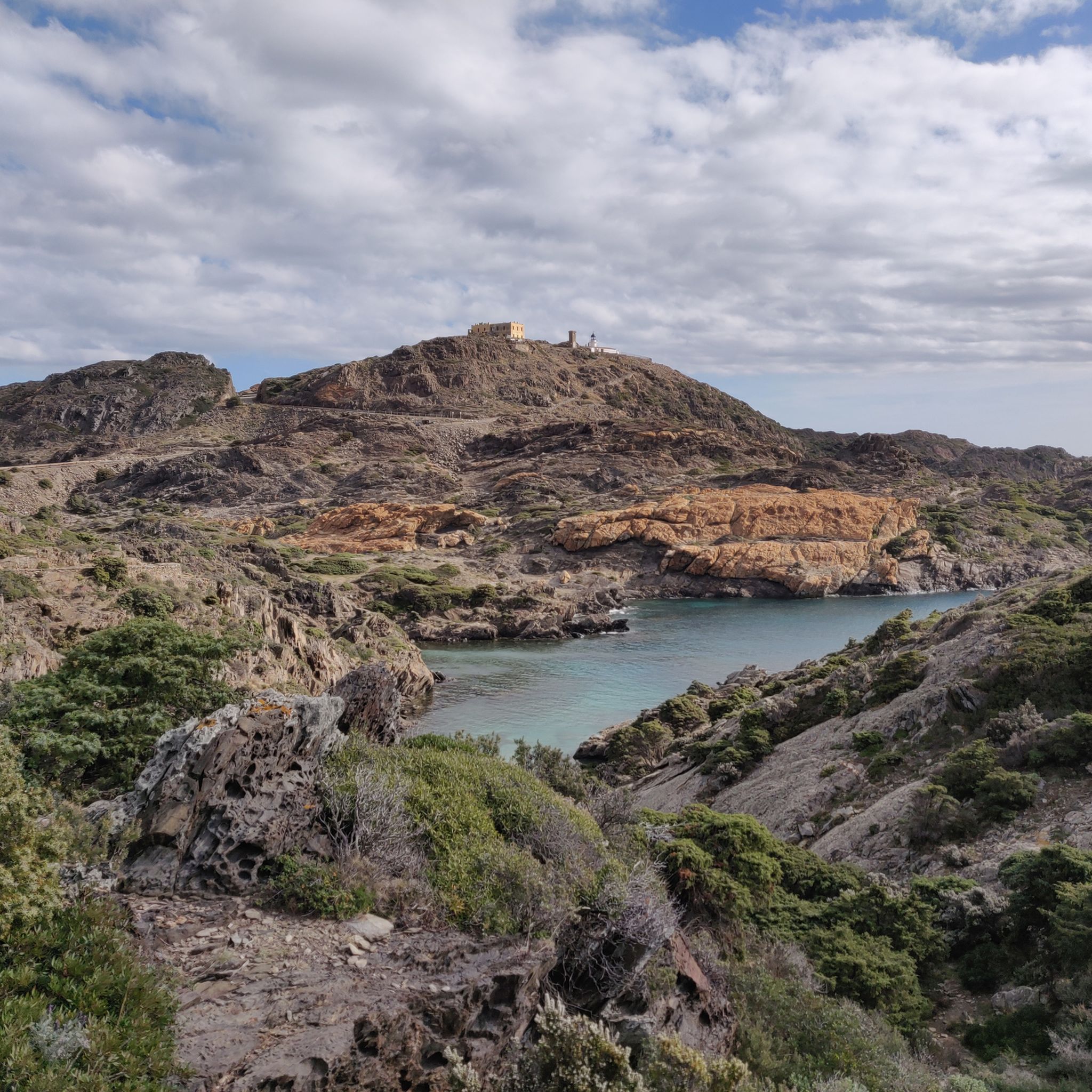
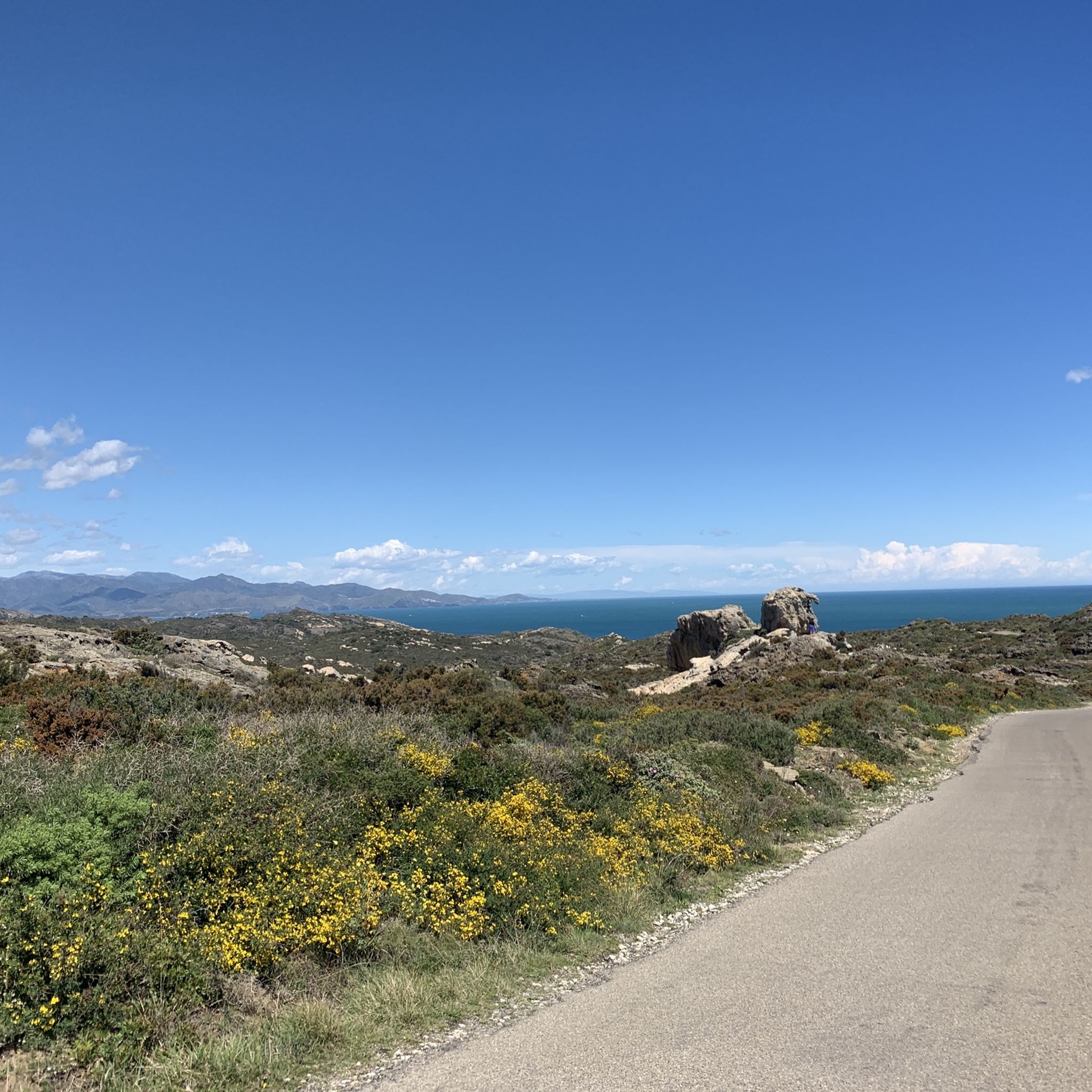
Mountaineering routes in Cap De Creus traverse a rugged landscape where the Pyrenees meet the Mediterranean Sea, characterized by unique geological formations and a wind-beaten, rocky terrain. The region features abrupt cliffs, steep ascents, and narrow passages, making it suitable for demanding treks. This area is globally recognized for its exceptional geological exposures, showcasing twisted schist and pegmatite formations sculpted by wind and sea. The highest point, Sant Salvador peak, reaches 670 meters, offering varied elevation gains.
Best mountaineering routes…
Last updated: April 30, 2026
5.0
(1)
4
hikers
Hard mountaineering route. Good fitness required. Sure-footedness, sturdy shoes and alpine experience required.
1
hikers
Moderate mountaineering route. Good fitness required. Mostly accessible paths. Sure-footedness required.

Sign up for free
1
hikers
3.85km
01:16
130m
130m
Moderate mountaineering route. Great for any fitness level. Mostly accessible paths. Sure-footedness required.
5.0
(2)
2
hikers
9.39km
03:34
420m
410m
Hard mountaineering route. Good fitness required. Sure-footedness, sturdy shoes and alpine experience required.
1
hikers
9.00km
04:01
590m
590m
Moderate mountaineering route. Good fitness required. Mostly accessible paths. Sure-footedness required.
Our route recommendations are based on thousands of hikes, rides, and runs completed by other people on komoot.
Start today with a free account
Your next adventure awaits.
Login or Signup

Tips from the Community

The view from the Benedictine abbey, founded in 878, across the sea, the bays and mountains of Cap de Creus is particularly magnificent.
0
0
Magnificent power tree
0
0

A huge cork oak, surely centuries old... Perfect for a stop and a few photos to remember, while you contemplate its grandeur...
0
0

Fantastic old Monestir. It’s hard to imagine it’s thát old. Somehow it made me think of the James Bond movie Skyfall. Definitely worth a visit. Last part of the road is unpaved. For that part the Gravelbike or an MTB is the best choice
1
0

The monastery of Sant Quirze de Colera is a Benedictine abbey documented since the 9th century, in the Catalan municipality of Rabós in the Alto Ampurdán region (Girona, Spain).
2
0

A route to get started on and above all to look at the weather forecast, if it's windy you won't enjoy it.
2
0

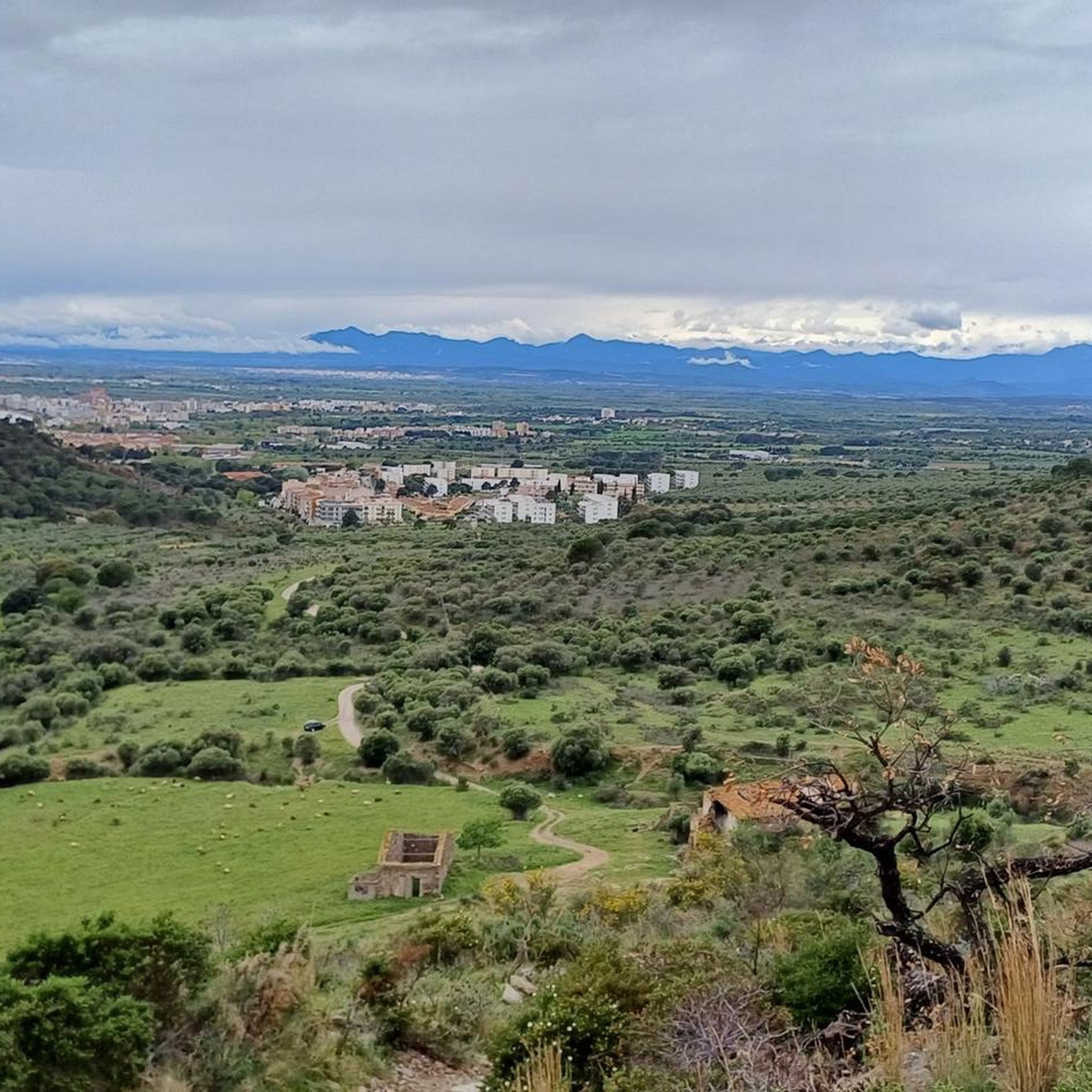
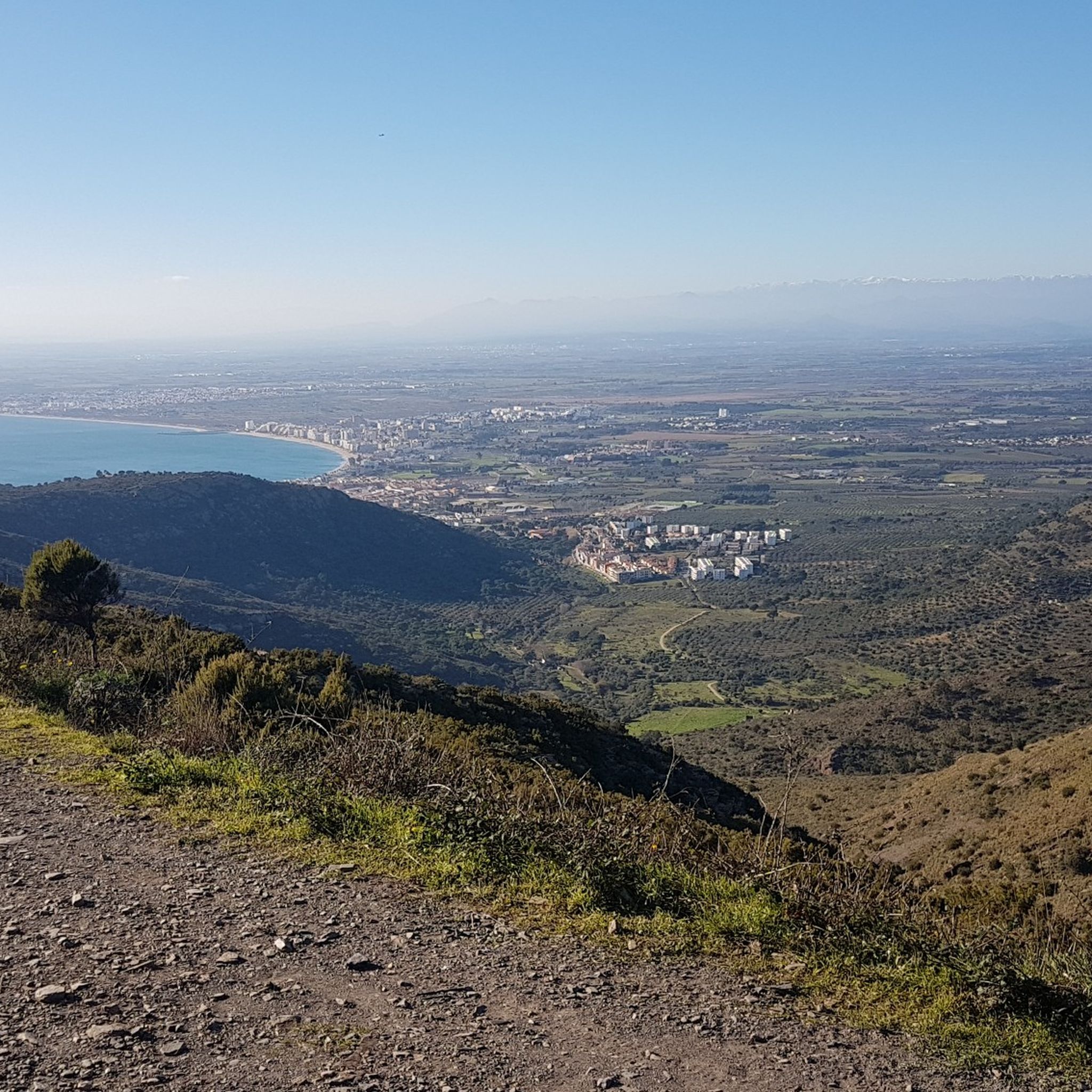
Beautiful views of the Bay of Roses. Moderate path.
0
0

From the nearby car park you can start a short walk to the remains of Santa Creu de Rodes (Iglesia de Santa Helena) - or hike longer tours on the Way of St. James
1
0
Frequently Asked Questions
What is the typical terrain and difficulty level for mountaineering in Cap de Creus?
Mountaineering in Cap de Creus is characterized by a rugged, rocky, and wind-beaten landscape where the Pyrenees meet the Mediterranean. You can expect abrupt cliffs, steep ascents, and narrow passages, making for a physically demanding experience. The trails often traverse unique geological formations of twisted schist and pegmatite. Routes range from moderate, such as the Sant Pere de Rodes Monastery loop from Monestir de Sant Pere de Rodes, to difficult, like the Cova de Veta Negra – Sant Salvador Castle loop from Palau-saverdera.
When is the best time of year for mountaineering in Cap de Creus?
Spring and autumn are generally ideal for mountaineering in Cap de Creus, offering pleasant temperatures and fewer crowds. Summer can be very hot, making longer routes challenging, while winter can bring strong 'tramontana' winds, which are a significant factor in the region's weather. Always check the forecast for wind conditions before heading out.
Are there any circular mountaineering routes in Cap de Creus?
Yes, Cap de Creus offers several excellent circular routes. For example, the Puig de l'Àliga – Puig de la Sardina loop from Roses is a difficult 9.2 km path offering panoramic coastal views. Another option is the moderate Puig de les Guilles – Puig Bonic loop from Monestir de Sant Quirze de Colera, which covers 8.6 km with significant elevation gain.
What kind of natural features and landmarks can I expect to see along the mountaineering routes?
Cap de Creus is a geological wonderland, so you'll encounter extraordinary rock formations sculpted by wind and sea, which famously inspired Salvador Dalí. Key landmarks include the iconic Cap de Creus Lighthouse at the easternmost point of mainland Spain, offering spectacular views. You can also find various viewpoints like Els Falcons Viewpoint, and impressive summits such as Eagle Peak and Puig Alt Summit.
Are there any historical sites or cultural attractions accessible from the trails?
Absolutely. The 11th-century Sant Pere de Rodes Monastery is a prominent historical site, standing at 500 meters altitude and offering impressive views. Several routes, such as the Cova de Veta Negra – Sant Salvador Castle loop from Monestir de Sant Pere de Rodes, lead through the rugged hills near this historic monastery, allowing you to combine your mountaineering with cultural exploration.
Is Cap de Creus suitable for family-friendly mountaineering or hiking?
While many routes in Cap de Creus are quite demanding due to the rugged terrain and steep ascents, there are options that might be more suitable for families with older children or those accustomed to challenging hikes. The park offers a range of trails, but it's important to choose routes carefully, considering the significant elevation changes and rocky paths. Always check the specific route details for difficulty before setting out with family.
What are the regulations for hiking with dogs in Cap de Creus Natural Park?
Cap de Creus is a Natural Park, and while dogs are generally permitted on trails, they must be kept on a leash at all times to protect wildlife and ensure the safety of other visitors. It's also crucial to carry enough water for your dog, especially given the dry and exposed nature of many trails, and to clean up after your pet. Always check the official park regulations for any specific seasonal restrictions.
Are there any hidden gem trails or less-trafficked routes in Cap de Creus?
While specific 'hidden gem' routes are not explicitly detailed, the extensive network of trails in Cap de Creus means there are always paths less traveled beyond the most popular ones. Exploring sections of long-distance trails like the GR11 (Senda Pirenaica) or the GR92 (Mediterranean Trail) that traverse the park can lead to quieter, equally stunning areas. These often involve challenging terrain and offer a more secluded experience.
What do other mountaineers enjoy most about Cap de Creus?
The Cap de Creus region is highly rated by the komoot community, with an average score of 5.0 stars from 4 reviews. Mountaineers often praise the unique geological formations, the dramatic convergence of mountains and sea, and the challenging nature of the trails. The breathtaking panoramic views from the rugged peaks and coastal cliffs are frequently highlighted as a major draw.
Are there opportunities for wild swimming after a mountaineering trip in Cap de Creus?
Yes, the Cap de Creus coastline is dotted with numerous small coves and deep blue waters, offering excellent opportunities for a refreshing dip after a challenging mountaineering route. Many trails lead down to the coast, allowing you to cool off in the Mediterranean Sea. Always be mindful of local regulations and safety when swimming in natural areas.
Is public transport available to access mountaineering trailheads in Cap de Creus?
Public transport options to access the more remote trailheads within Cap de Creus Natural Park can be limited. While some larger towns like Cadaqués or Roses, which are gateways to the park, are accessible by bus, reaching specific starting points for mountaineering routes often requires a car. It's advisable to research local bus schedules and consider taxi services or carpooling for direct access to trailheads.
What should I know about the 'Tramontana' wind when planning a mountaineering trip?
The 'Tramontana' is a strong, cold north wind that significantly impacts the Cap de Creus region. It can make exposed ridges and coastal paths particularly challenging and even dangerous, especially during colder months. Always check the wind forecast before your trip, as strong Tramontana can reduce visibility, increase the perceived cold, and make balancing difficult on rugged terrain. It's a defining feature of the region's weather.
Most popular routes in Cap De Creus
Most popular attractions in Cap De Creus

Get inspired with the komoot mobile app


Explore more
Browse the best Mountain Hikes & Routes in other regions.
