The best cycling routes around Zagarise
5.0
(12)
231
riders
38
rides
Touring cycling around Zagarise features routes that navigate a landscape characterized by significant elevation changes and expansive valley views. The region's terrain includes numerous climbs and descents, indicative of a hilly environment. These routes often traverse areas with varied natural features, providing diverse cycling experiences.
Best touring cycling routes around Zagarise
- The most popular touring cycling route is View of the Valley – Valley View loop from Albi, a 13.2 miles (21.2 km) trail that takes 1 hour 45 minutes to complete. This route offers panoramic views across the valleys.
- Another top favourite among local touring cyclists is Ginestra in Calabria – Water fountain loop from Fontana dei Monaci, a difficult 20.4 miles (32.8 km) path. This route includes natural water features and varied local scenery.
- Local touring cyclists also love the View of the Valley loop from Sellia Marina, a 25.7 miles (41.4 km) trail leading through hilly terrain with valley vistas, often completed in about 2 hours 49 minutes.
- Touring cycling around Zagarise is defined by challenging climbs, scenic valleys, and diverse natural landscapes. The network offers options for various ability levels, from easy paths to more difficult ascents.
- The routes in Zagarise are highly rated by the komoot community with an average score of 4.7 stars from more than 10 reviews. More than 200 touring cyclists have used komoot to explore Zagarise's varied terrain.
Last updated: August 31, 2026
12
riders
32.8km
02:17
630m
630m
Hard bike ride. Very good fitness required. Mostly paved surfaces. Suitable for all skill levels.
5.0
(1)
10
riders
52.5km
03:24
680m
680m
Hard bike ride. Very good fitness required. Mostly paved surfaces. Suitable for all skill levels.

Sign up for free
10
riders
53.3km
03:50
1,090m
1,090m
Hard bike ride. Very good fitness required. Mostly paved surfaces. Suitable for all skill levels.
8
riders
57.8km
04:10
1,230m
1,230m
Hard bike ride. Very good fitness required. Mostly paved surfaces. Suitable for all skill levels.
4.7
(3)
7
riders
112km
07:31
1,600m
1,600m
Hard bike ride. Very good fitness required. Mostly paved surfaces. Suitable for all skill levels.
Get access to more routes and recommendations from other explorers.
Sign up for free
Already have an account?
Our route recommendations are based on thousands of hikes, rides, and runs completed by other people on komoot.
Start today with a free account
Your next adventure awaits.
Login or Signup
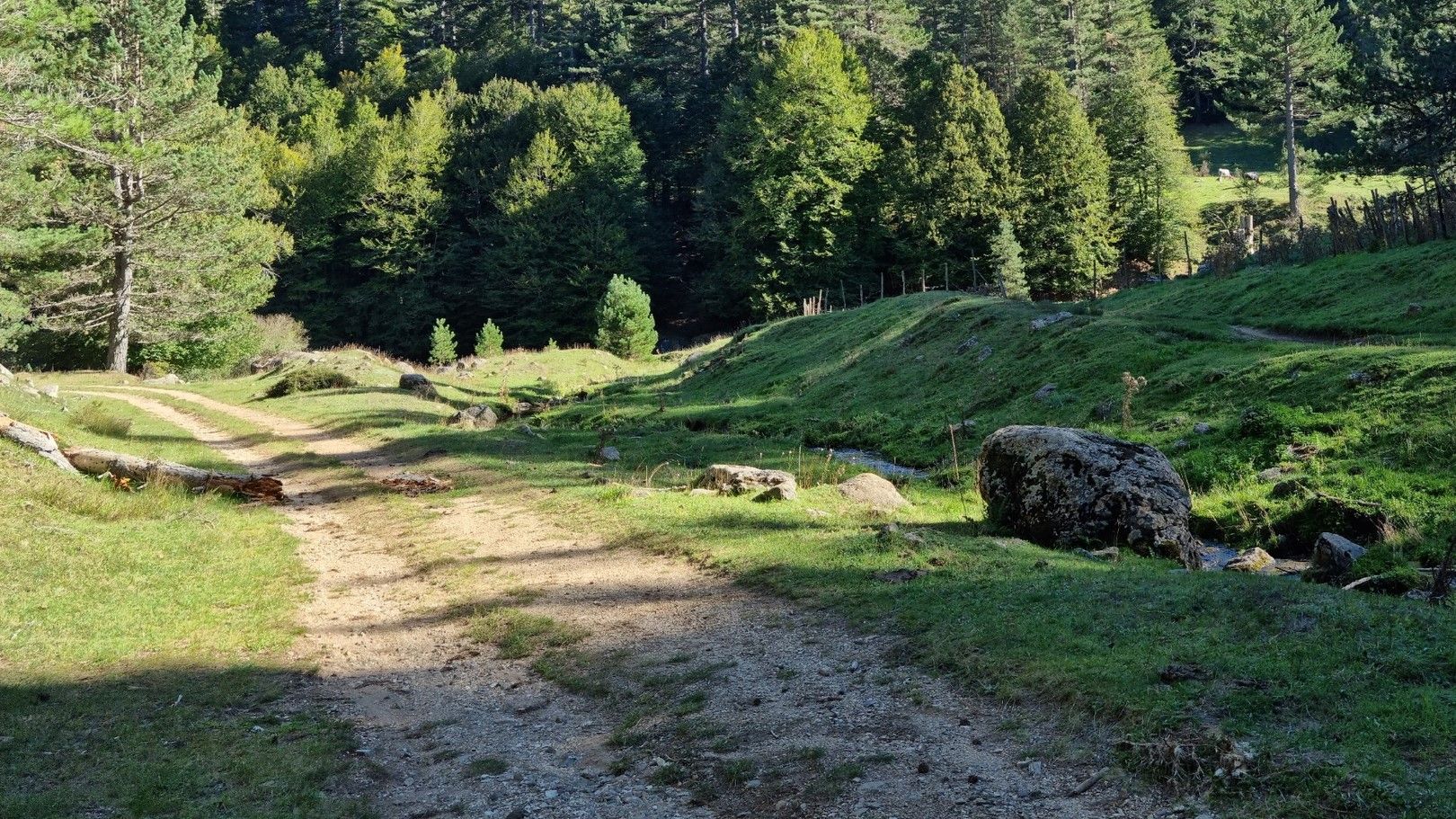
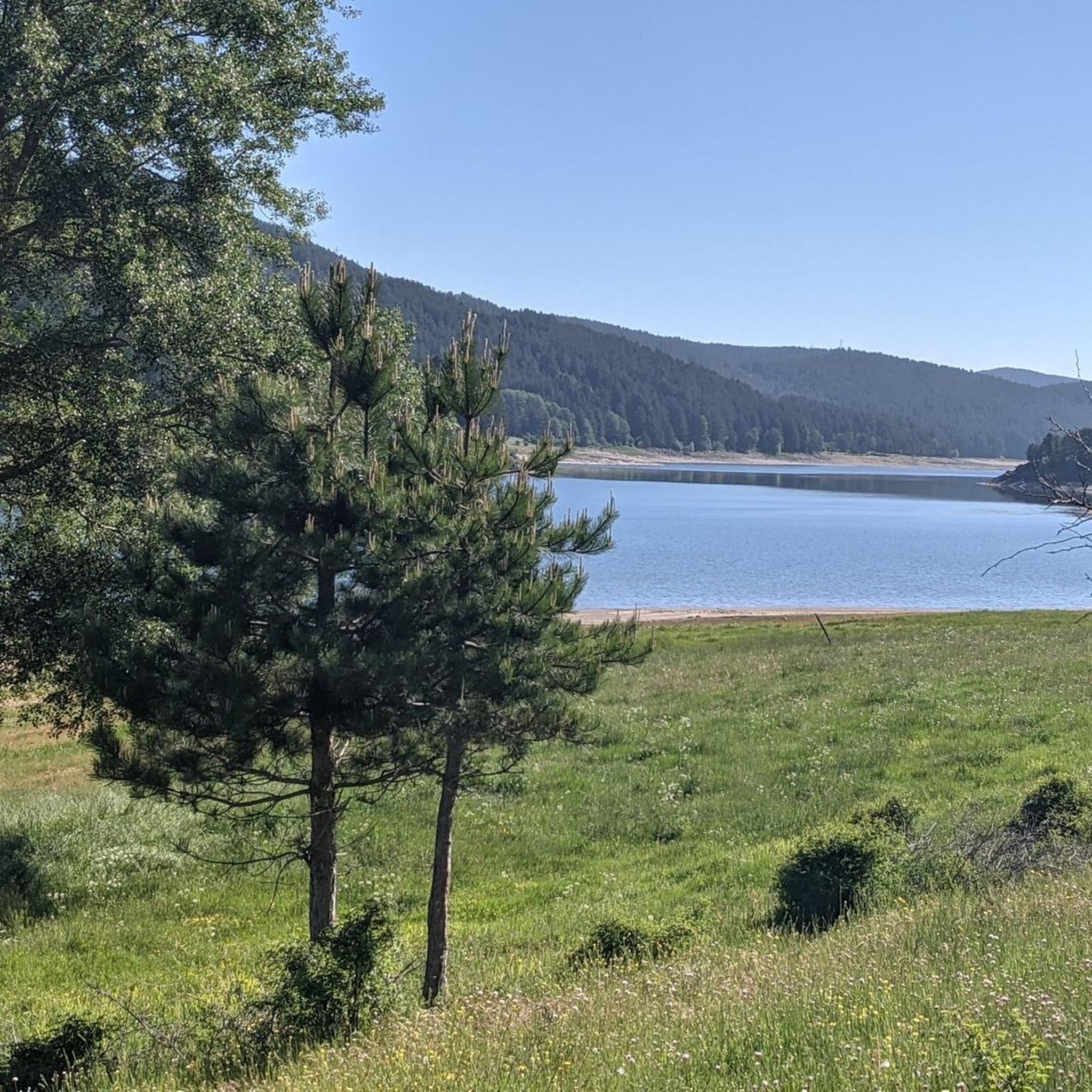
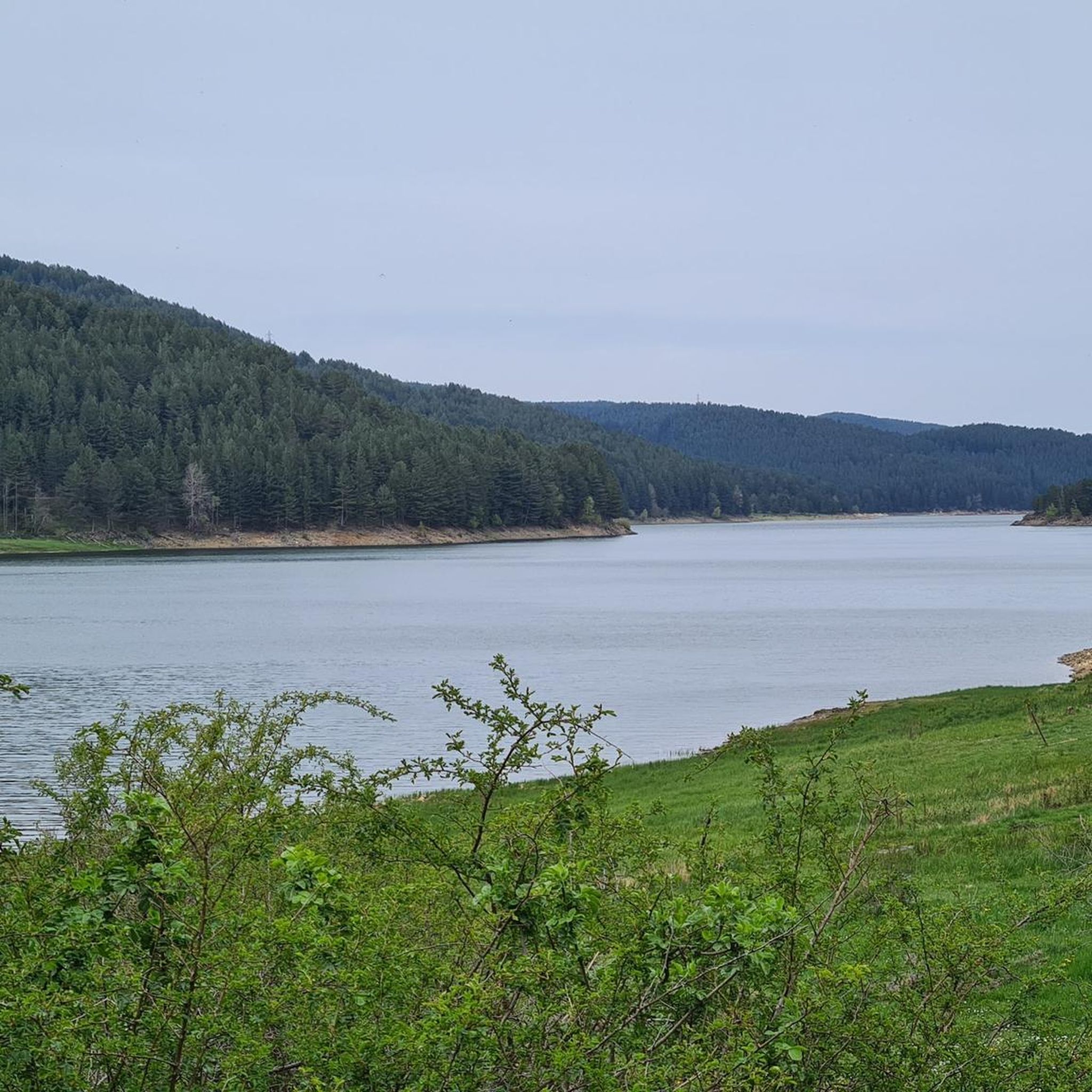

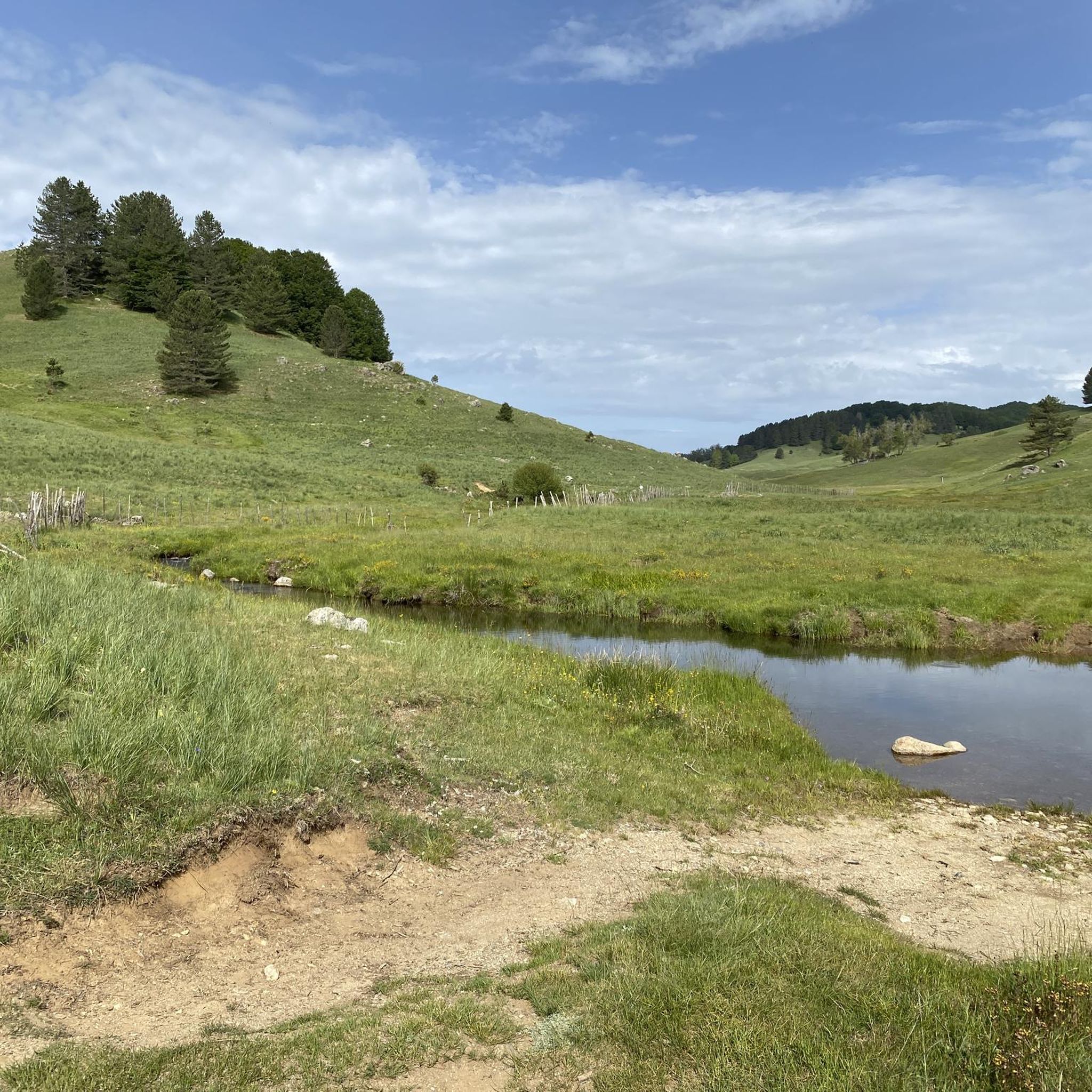
Other adventures around Zagarise

Tips from the Community

A rarity, a protected bike path.
1
0

Scolacium Archaeological Park The Scolacium Archaeological Park and the adjacent Antiquarium (on the estate of Baron Mazza, with an adjacent olive mill museum) were built in 1982 in the village of Roccelletta di Borgia (Czech Republic) on a vast area of olive trees. The area includes not only the remains of the 11th-century Norman basilica dedicated to Santa Maria della Roccella, but also the remains of the ancient Roman colony of Scolacium, built in 120 BC on the ruins of the Greek colony of Scylletium. Excavations, which began in 1965, did not reveal any wall structures of the Greek city, but the unearthed abundant pottery and coin material dating back to the 6th century BC suggests a topographical overlap between the two cities. The material discovered is on display in the Antiquarium. The remains of Scolacium's city walls are much more significant: facing the sea is the Roman Forum, a large rectangular area paved with square tiles and surrounded by colonnades (Caesareum, Curia, and a thermal court), which also houses the remains of a small temple, a monumental fountain, and a courthouse. A large number of statues and portraits dating from between the first and third centuries AD come from this area. On the hill behind the Forum is the theater, with a capacity of 3,500 spectators, built between the first and second centuries AD. From the theater scene come several portrait heads from the Julio-Claudian and Flavian periods, as well as two large white marble statues of Togati. Recently, a second-century AD amphitheater, three thermal complexes, a necropolis, and an aqueduct have been identified above the hill. Text / Source: Ministry of Tourism, Territorial Marketing and Mobility https://calabriastraordinaria.it/luoghi/parco-archeologico-di-scolacium-borgia
13
0

Among the three large Calabrian lakes of the Sila, the Ampollino is certainly the least contaminated and consequently the most authentic to be appreciated by lovers of nature and landscapes.
0
0

Ginestra is a shrub that, thanks to symbiosis with bacteria, binds nitrogen from the air and fertilizes even the poorest, dry soils. In fertile soils, it spreads too much, creating dense fields that smother other plants – a bit like an uninvited guest who eats everything from the buffet. Inside, it contains sparteine, an alkaloid used to treat cardiac arrhythmia, atrial fibrillation and circulatory problems, and its stiff shoots have been used for centuries to make brooms. And even today, in some places, these shoots are used as traditional rods given to naughty children in December instead of presents.
1
0
A plant with intensely yellow flowers that grows wild in southern Italy. Here it is most often called ginestra. It occurs especially in mountainous and dry areas, and its presence in the landscape of Calabria in spring and early summer is very characteristic - it creates yellow spots on the slopes and along the roads. The intensely yellow flowers stand out against the green slopes, creating a strong and at the same time harmonious contrast. This combination works on the imagination and gives a strong impression of the freshness and exuberance of nature. In Calabria, especially in May and June, this contrast is perfectly visible: the green hills are covered with a yellow shower of flowers, creating almost painterly landscapes.
1
0
In summer, you can take advantage of numerous cycling routes that lead through diverse landscapes - from mountain spruce forests to water areas of lakes. In winter, the area is home to the Camigliatello Silano ski resort, which attracts skiing and winter sports enthusiasts with its well-prepared facilities and picturesque location in the Sila massif. This is a place more for local skiing enthusiasts and beginners who want to combine active recreation with a vacation in the warm climate of Calabria. If you are looking for more serious skiing routes, you have to go further north in Italy or to the Alps. In Calabria, on the other hand, you will certainly appreciate nature, peace and a unique mountain climate.
1
0
The Ampollino Valley is surrounded by the mountains of the Sila massif, with clearly distinguishable peaks: Scorciavuoi (1627 m above sea level), Gariglione (1623 m above sea level), Zingomarro (1463 m above sea level) and Monte Nero (1747 m above sea level). There are extensive pine, beech and fir forests here, creating a Mediterranean mountain landscape characteristic of the region. The central element of the valley is the artificial reservoir Lago Ampollino, created by a dam (diga) on the Ampollino River. The shores of the lake are overgrown with reed beds and water lilies, and in the area you can see wild animals - deer, wild boars, waterfowl and birds of prey.
1
0

Frequently Asked Questions
How many touring cycling routes are available around Zagarise?
There are over 40 touring cycling routes in the Zagarise area, offering a variety of experiences for different skill levels. The region is known for its significant elevation changes and expansive valley views.
Are there any easy touring cycling routes suitable for beginners or families?
While most routes around Zagarise feature challenging climbs, there is at least one easy touring cycling route available. For a less strenuous option, consider exploring the flatter sections of the valleys or shorter loops. Always check the route's difficulty and elevation profile before heading out.
What kind of terrain can I expect on touring cycling routes in Zagarise?
The terrain around Zagarise is predominantly hilly, characterized by numerous climbs and descents. Routes often traverse varied natural features, including forested areas and open valleys, providing diverse cycling experiences with panoramic views.
Are there any long-distance touring cycling routes for experienced riders?
Yes, Zagarise offers several challenging routes for experienced riders. For example, the View of the Valley – View of the Valley loop from Simeri Crichi is a demanding 57.7 km (35.9 miles) route with significant elevation gain, offering extensive views across the valleys.
What are some of the most scenic touring cycling routes in the area?
Many routes offer stunning views due to the region's hilly landscape. The View of the Valley – Valley View loop from Albi is a popular choice, known for its panoramic vistas. Another scenic option is the View of the Valley loop from Sellia Marina, which also leads through hilly terrain with impressive valley views.
Are there any touring cycling routes that pass by waterfalls?
Yes, you can find routes that include natural water features. The View of the Valley – Campanaro Waterfall loop from Simeri Crichi is a challenging route that passes by the beautiful Campanaro Waterfall. Other notable waterfalls in the wider area include Litrello Waterfall and Cascata del Piciaro.
What other attractions can I explore near the touring cycling routes?
Beyond the cycling, the region offers several points of interest. You can visit the Lago Ampollino Dam, explore the town of Taverna, or experience the Winding Road Through the Sila Forest. For those interested in local history and nature, the Loop around Lake Passante is also a highlight.
What is the best season for touring cycling in Zagarise?
The best seasons for touring cycling in Zagarise are typically spring (April to June) and autumn (September to October). During these months, the weather is generally milder, and the natural scenery is vibrant. Summers can be hot, especially in the valleys, while winters may bring colder temperatures and occasional precipitation at higher elevations.
Are there any circular touring cycling routes in Zagarise?
Yes, many of the touring cycling routes around Zagarise are designed as loops, allowing you to start and end at the same point. Examples include the Ginestra in Calabria – Water fountain loop from Fontana dei Monaci and the View of the Valley – Valley View loop from Albi.
What do other touring cyclists say about the routes in Zagarise?
The touring cycling routes in Zagarise are highly rated by the komoot community, with an average score of 4.7 stars from over 10 reviews. More than 200 touring cyclists have used komoot to explore the area, often praising the challenging climbs, scenic valleys, and diverse natural landscapes.
Are there opportunities to find food and drink along the routes?
While specific cafes and pubs directly on every trail might be limited, many routes pass through or near small towns and villages where you can find local eateries, bars, or shops to refuel. It's always advisable to carry sufficient water and snacks, especially on longer or more remote routes.
What should I consider regarding parking and trailheads?
Parking availability varies depending on the starting point of each route. Many routes begin from or pass through towns and villages where public parking may be available. For specific routes, check the tour details on komoot for suggested starting points and any available parking information.
Most popular attractions around Zagarise

Get inspired with the komoot mobile app


Explore more
Browse the best Cycling routes in other regions.
