Attractions and Places To See around Sant Feliu De Guíxols - Top 20
Best attractions and places to see around Sant Feliu De Guíxols encompass a diverse range of historical landmarks, natural features, and cultural sites along the Costa Brava. This coastal town offers a blend of architectural heritage, including its ancient monastery, and extensive natural beauty with numerous beaches, coves, and scenic coastal paths. The surrounding Gavarres and Ardenya massifs provide opportunities for hiking and cycling, showcasing the region's Mediterranean landscape. Visitors can explore historical sites, enjoy water sports, and experience local…
Last updated: August 16, 2026
Vila Vella Fortress, Tossa de Mar
Highlight • Castle
Translated by Google •
Tip by

Cala Bona
Highlight • Beach
Translated by Google •
Tip by

Sign up now to discover places like this
Get recommendations on the best single tracks, peaks, & plenty of other exciting outdoor places.
Sign up for free
Sant Grau d'Ardenya Climb
Highlight (Segment) • Climb
Tip by

Castell d'Aro station and historic steam locomotive
Highlight • Historical Site
It is highly recommended to make a stop to visit the interior of …
Translated by Google •
Tip by

Font Picant Train Station
Highlight • Historical Site
Translated by Google •
Tip by
Sign up for free to discover even more attractions around Sant Feliu De Guíxols.
Sign up for free
Already have an account?
Start today with a free account
Your next adventure awaits.
Login or Signup
Popular around Sant Feliu De Guíxols
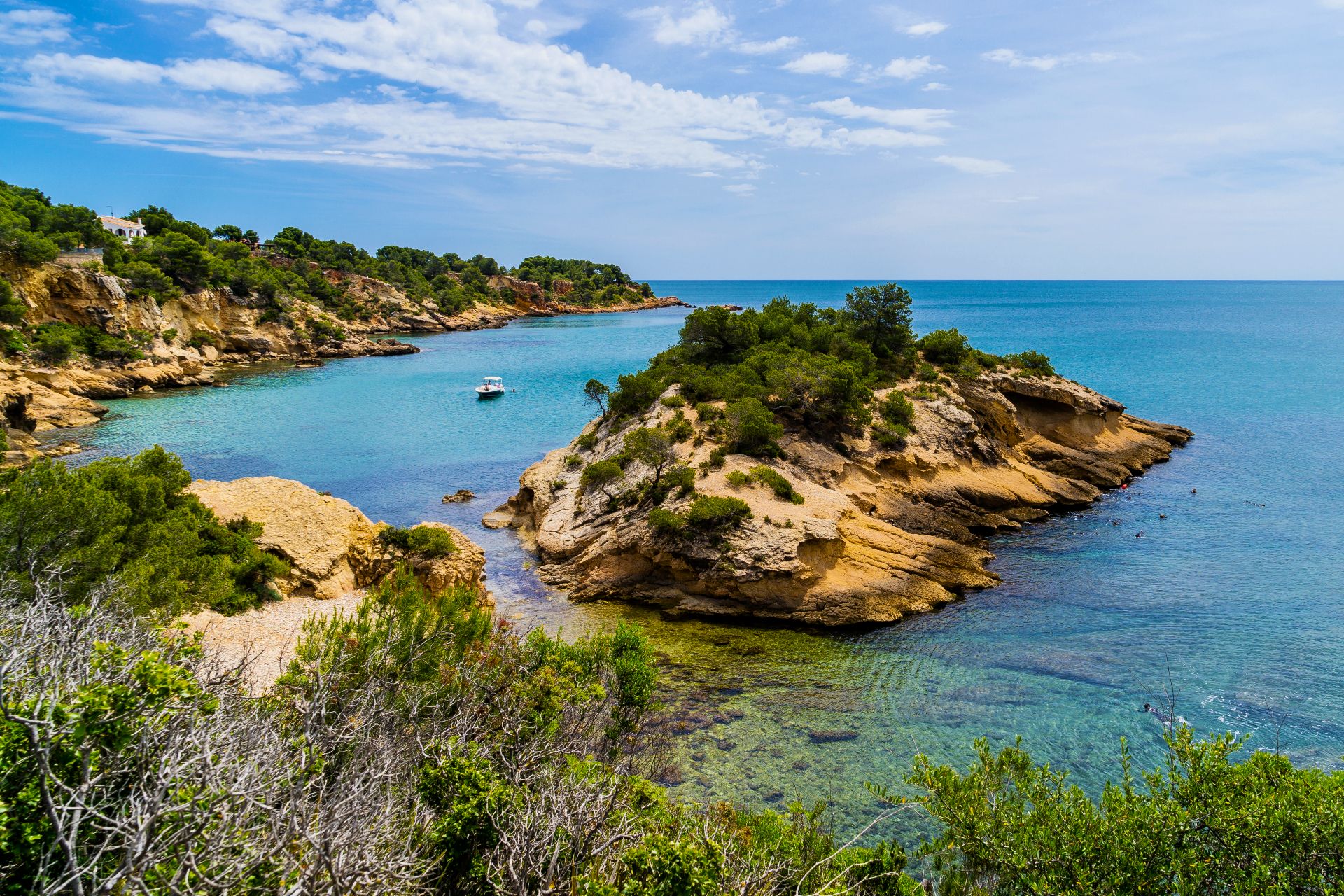
The Catalan coast on foot – Mediterranean Path (GR 92)
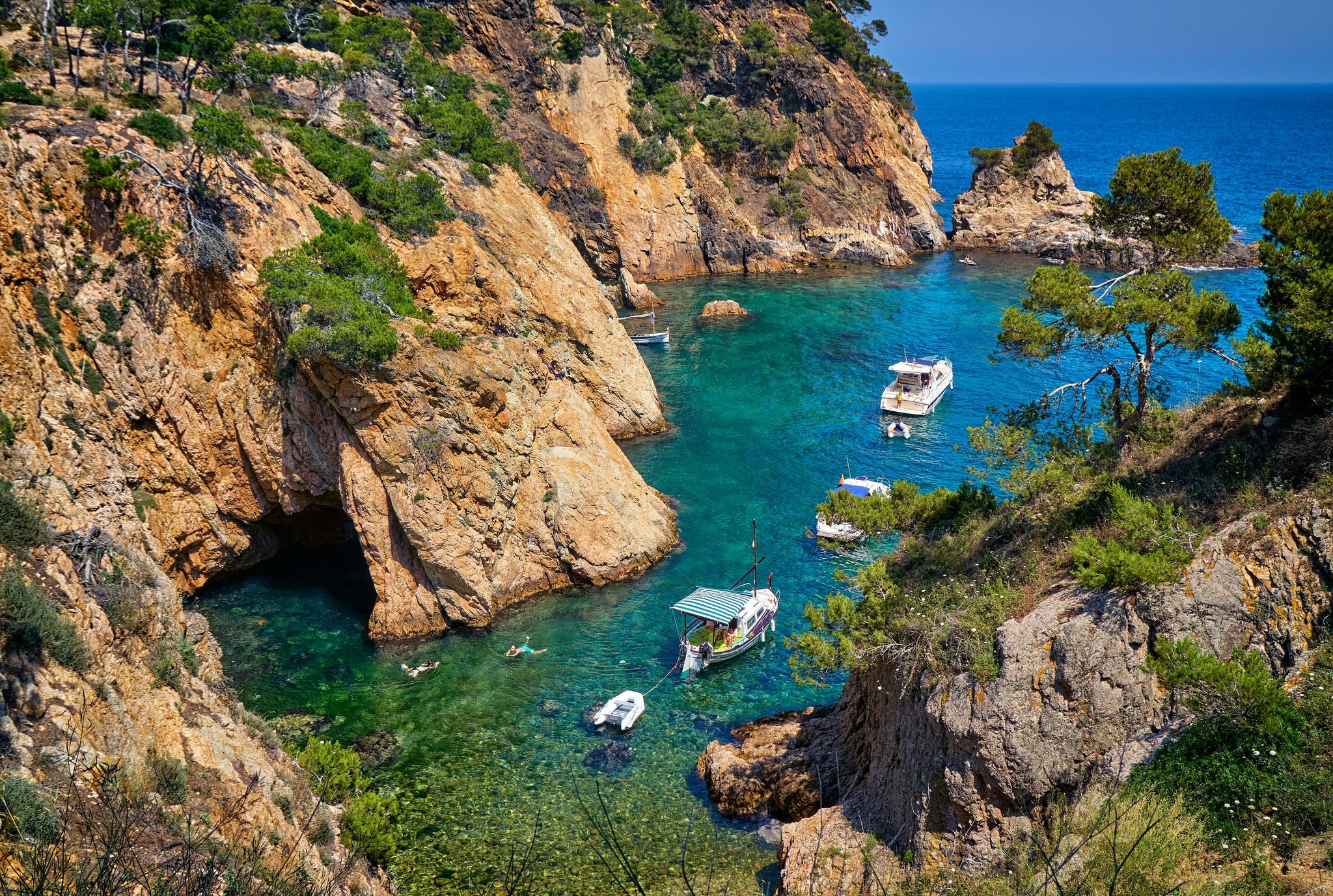
Costa Brava on foot from Girona – Camí de Ronda

Mediterranean coastal paradise – EuroVelo 8 in Spain
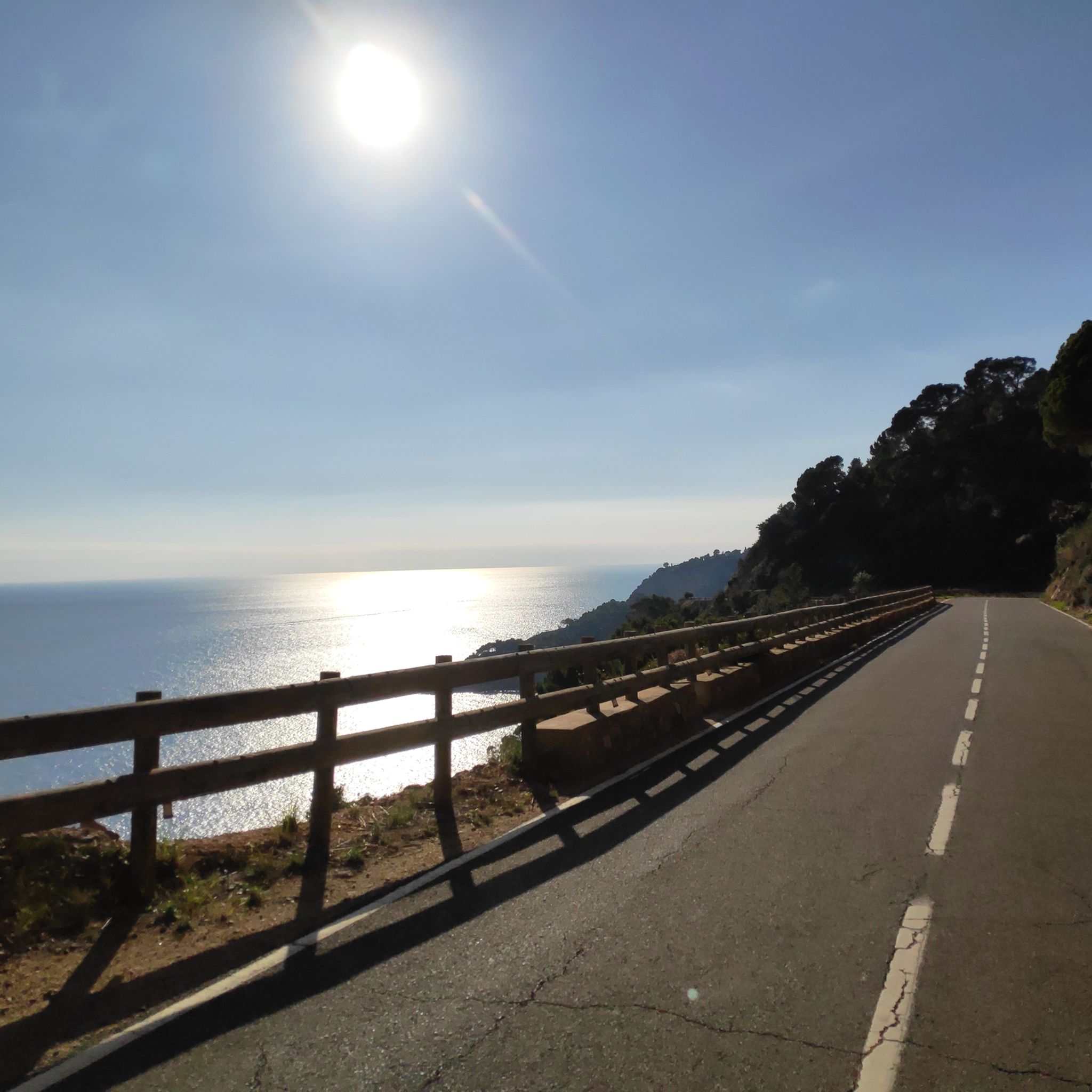
Road Cycling Routes around Sant Feliu De Guíxols
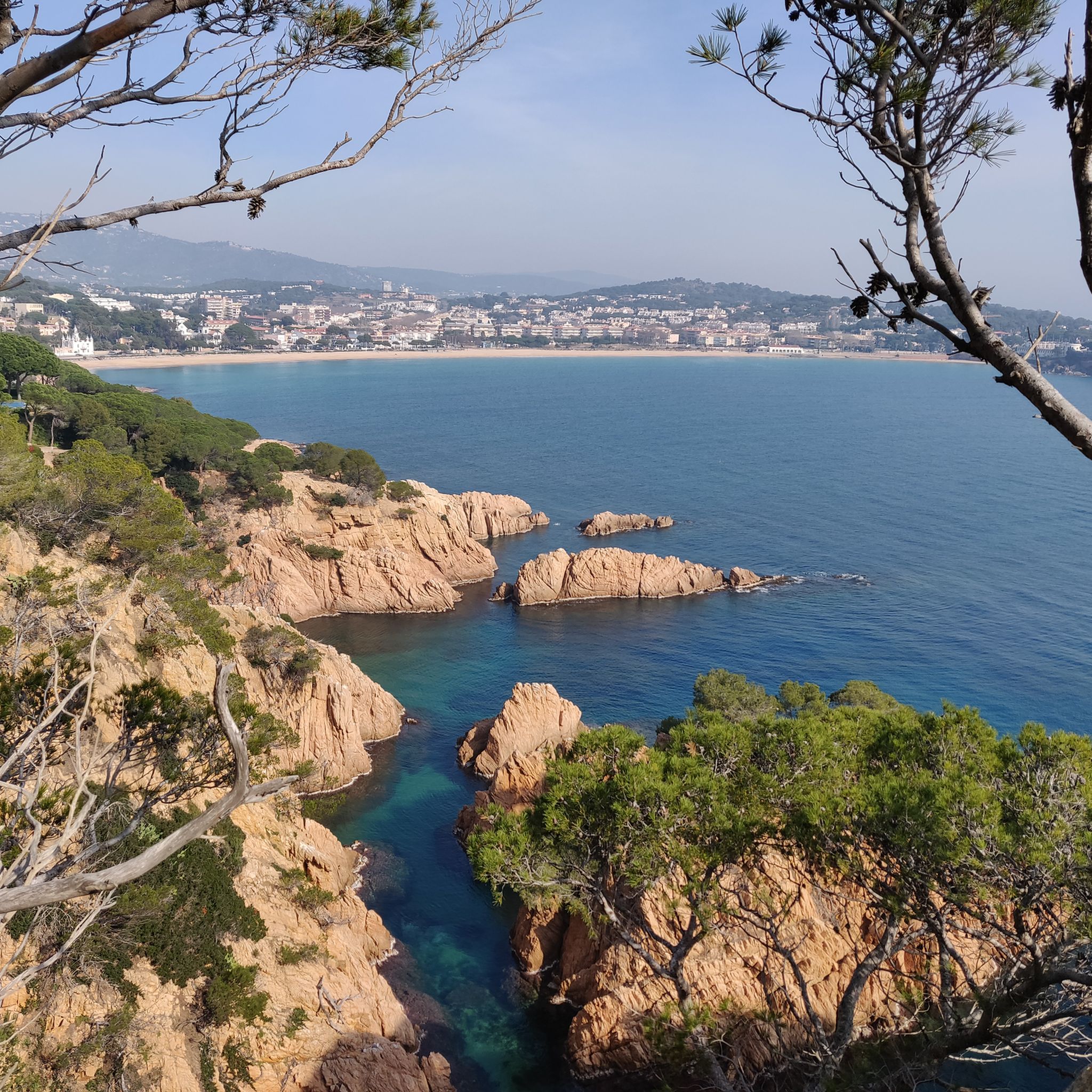
Hiking around Sant Feliu De Guíxols
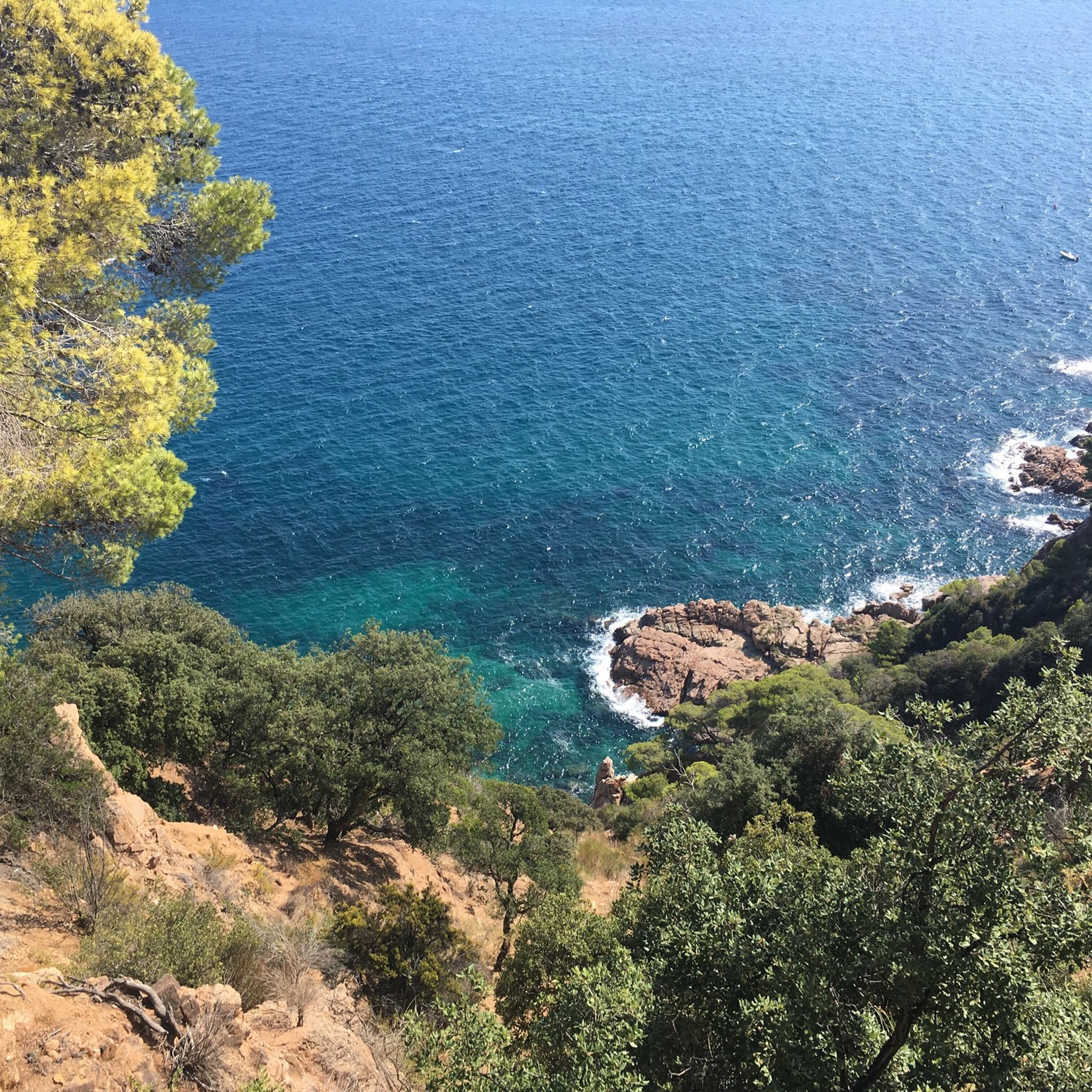
Cycling around Sant Feliu De Guíxols
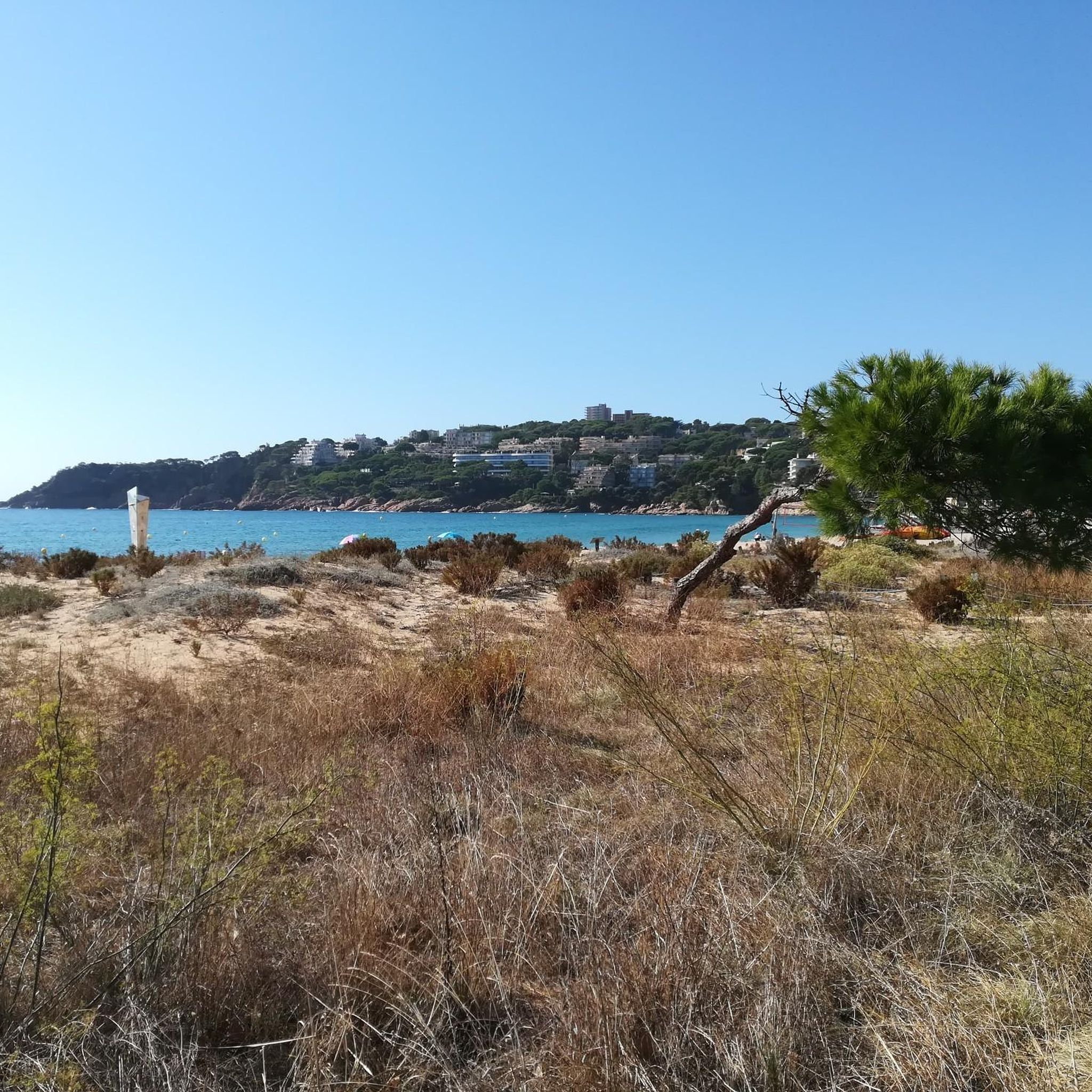
Running Trails around Sant Feliu De Guíxols
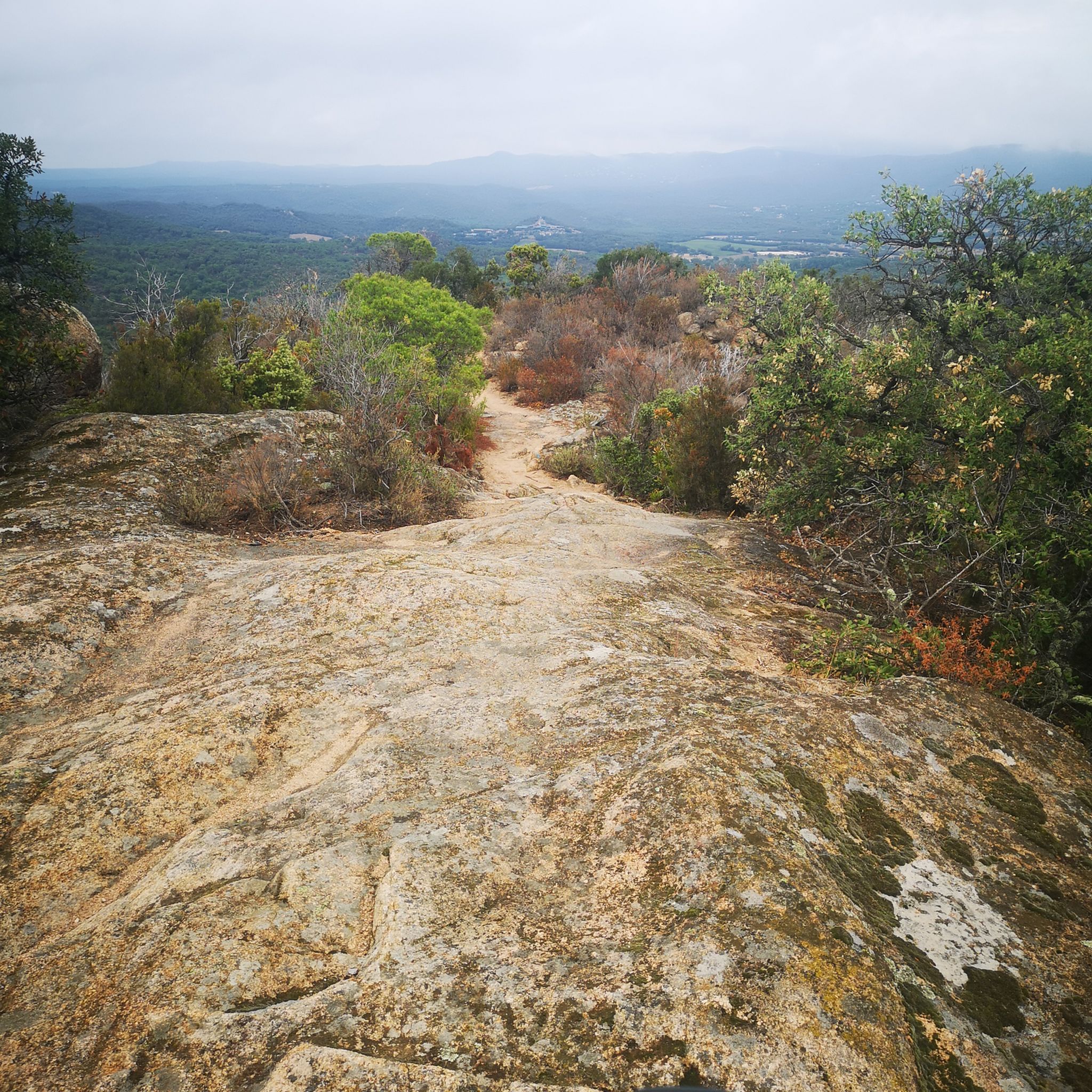
MTB Trails around Sant Feliu De Guíxols
Gravel biking around Sant Feliu De Guíxols


Tips from the Community

Breathtaking views, little traffic.
0
0

One of the many old train stations alongside the Ruta del Carrilet. They all do have their own story.
1
0

Spicy fountains were traditionally known in Catalonia for their health and healing properties. Natural carbonated water was believed to have beneficial effects on digestion and other health problems. The water usually has a carbon dioxide (CO₂) content that gives it that effervescent touch and a special flavour.
1
0
During the time when the Carrilet train was in operation (late 19th century and much of the 20th century), many stations were named after characteristic elements of the area, such as farmhouses, rivers or fountains. The Font Picant was a reference point in the area, and travellers could stop to rest and enjoy the water from the fountain.
1
0
"SFG" symbology: The initials on the side, SFG, refer to "Sant Feliu de Guíxols", the final point of the route, where it is now displayed as a monument. Despite the years, this locomotive has been preserved as a tribute to the impact of the Carrilet in the region, highlighting the importance of the railway in economic and social development.
6
0
The Carrilet locomotive, manufactured by Henschel & Sohn, was designed for the green line, its speed was 30-40 km/h, being ideal for the curves and gradients between Girona and Sant Feliu de Guíxols. Operational from 1892 to 1969.
5
0

Varied route and beautiful surroundings
0
0

A series of old train stations trace the entire greenway of the carrilet
2
0
Frequently Asked Questions
What historical landmarks can I explore in Sant Feliu de Guíxols?
Sant Feliu de Guíxols is rich in history. You can visit the Benedictine Monastery of Sant Feliu, with its iconic Romanesque Porta Ferrada, which also houses the City History Museum. Another notable site is the elegant Casino de la Constancia on the seafront, an example of Neo-Arab architecture. The Old Railway Station, part of the former railway line to Girona, is also a significant historical point, now integrated into the Vias Verdes.
Where can I learn about the local history and culture of Sant Feliu de Guíxols?
The primary place to delve into the town's past is the City History Museum (Museu d'Història de la Ciutat), largely housed within the Benedictine Monastery. It covers the town's history, including its maritime culture and the cork industry. For a broader cultural experience, consider visiting during the Porta Ferrada Festival, an international music, dance, and theatre festival held in the summer.
Are there any unique architectural sites to see in the area?
Yes, beyond the Benedictine Monastery's Porta Ferrada, you can admire the Casino de la Constancia for its distinctive Neo-Mudéjar style. The Passeig Marítim (Seafront Promenade), designed by modernist architect General Guitart, also features unique wrought-iron balconies and offers magnificent views of the bay.
What are the best beaches and coves for swimming and relaxation?
The main beach is Platja de Sant Feliu, known for its golden sands and calm waters, ideal for families. North of town, Sant Pol Beach offers clear, shallow waters and 19th-century buildings. For a more secluded experience, explore the rocky and sandy coves like Cala Vigatà, Cala Ametller, Canyerets, and Port Salvi, which are also excellent for snorkeling and diving. You can also find Cala Bona, a small bay with clear water accessible via the Camino Ronda.
Are there any scenic coastal walks or viewpoints?
Absolutely. The Camino de Ronda is a scenic coastal path that stretches along the coastline, offering stunning views and leading to various coves. For panoramic vistas, visit the Ermita de Sant Elm, which sits atop a hill and provides breathtaking views of the town and coastline, and is famously where the Costa Brava was named. Other great viewpoints include Cala Urgell and Les Bateries.
What outdoor activities are available besides relaxing on the beach?
Sant Feliu de Guíxols offers a wide range of outdoor activities. You can explore the Vias Verdes, former railway lines converted into cycle and footpaths connecting to Girona. The town also boasts a unique Via Ferrata, an equipped climbing route over a rocky massif. Water sports like snorkeling, scuba diving, kayaking, and paddle surfing are popular in the clear waters. For more ideas on routes, check out the running trails, MTB trails, and gravel biking routes around Sant Feliu de Guíxols.
Can I go hiking or cycling near the attractions?
Yes, the surrounding Gavarres and Ardenya Massifs offer an extensive network of signposted paths for both hiking and cycling, showcasing the region's Mediterranean landscape. The Vias Verdes, the old railway line, is also perfect for cycling or walking. For a challenging climb with rewarding views, consider the Sant Grau d'Ardenya Climb. You can find many routes for different sports in the running, MTB, and gravel biking guides for the area.
Are there family-friendly attractions in Sant Feliu de Guíxols?
Many attractions cater to families. The main Platja de Sant Feliu is ideal for its calm waters. Exploring the Vias Verdes on foot or by bike is a great family activity. Historical sites like the Vila Vella Fortress in Tossa de Mar, with its small streets and city walls, are also popular with families. The Castell d'Aro station and historic steam locomotive and the Font Picant Train Station, both part of the old Carrilet railway, offer interesting stops for all ages.
What do visitors particularly enjoy about the attractions here?
Visitors frequently praise the well-preserved historical sites, such as the Vila Vella Fortress in Tossa de Mar, for its picturesque setting and charming alleys. The stunning views from climbs like Sant Grau d'Ardenya and the clear waters of coves like Cala Bona are also highly appreciated. The blend of natural beauty and historical depth makes the area very appealing.
What is the best time of year to visit Sant Feliu de Guíxols?
The summer months are vibrant, especially with the Porta Ferrada Festival. However, for outdoor activities like hiking and cycling, spring and autumn offer pleasant temperatures and fewer crowds, making it ideal to explore the coastal paths and massifs. The clear waters are inviting for swimming and water sports from late spring through early autumn.
Are there any less crowded alternatives to the main beach?
Yes, if you're looking for quieter spots away from the main Platja de Sant Feliu, consider exploring the smaller coves along the coast. Cala Vigatà, Cala Ametller, Canyerets, and Port Salvi are excellent choices. These rocky and sandy coves are nestled among steep cliffs and offer a more secluded experience, perfect for those seeking tranquility or a good spot for snorkeling.
Most popular routes around Sant Feliu De Guíxols
Most popular attractions around Sant Feliu De Guíxols

Get inspired with the komoot mobile app


Explore more
Still not found the Highlight you’re looking for? See guides of the top attractions in other regions:
