The best cycling routes in Honolulu Forest Reserve
3.9
(21)
383
riders
38
rides
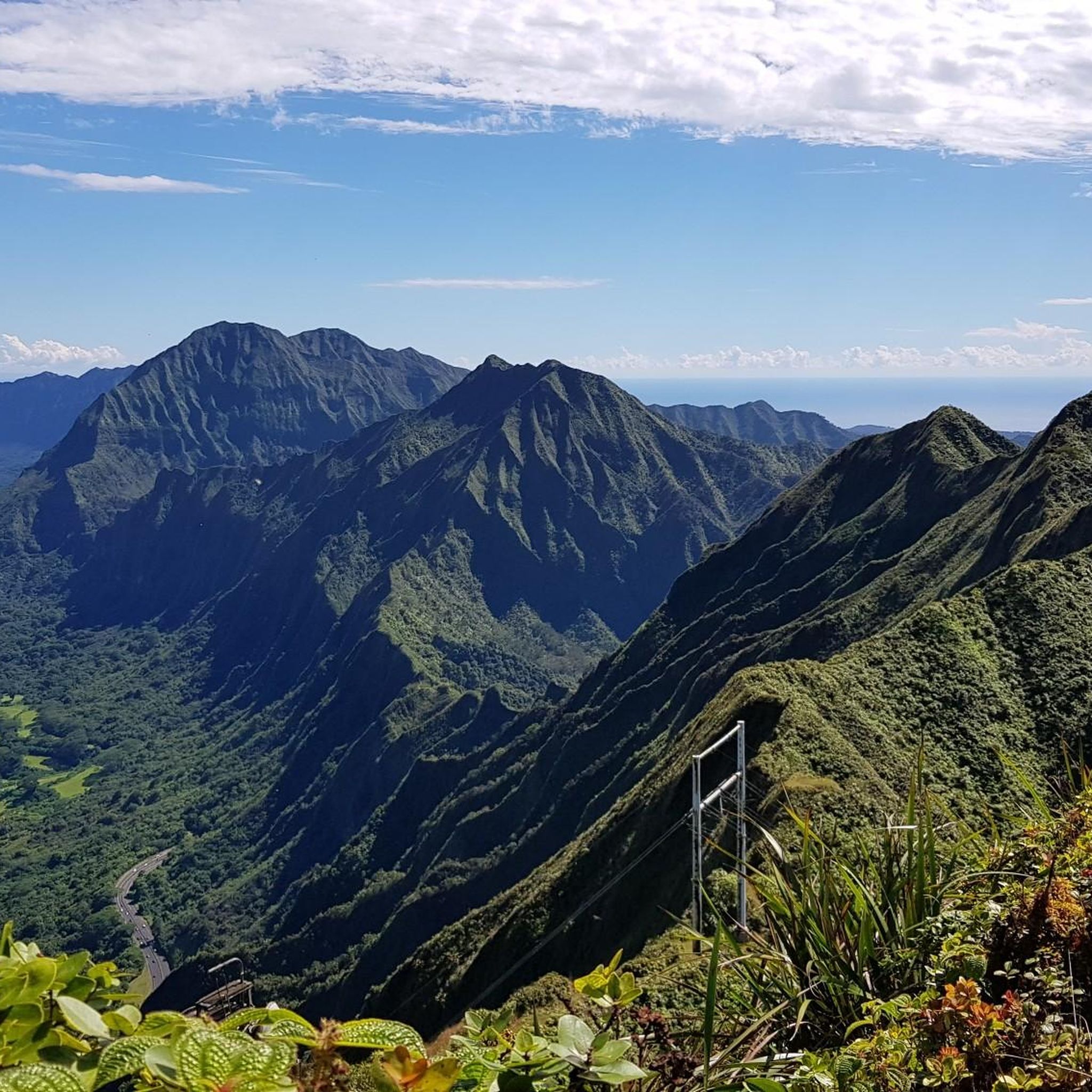
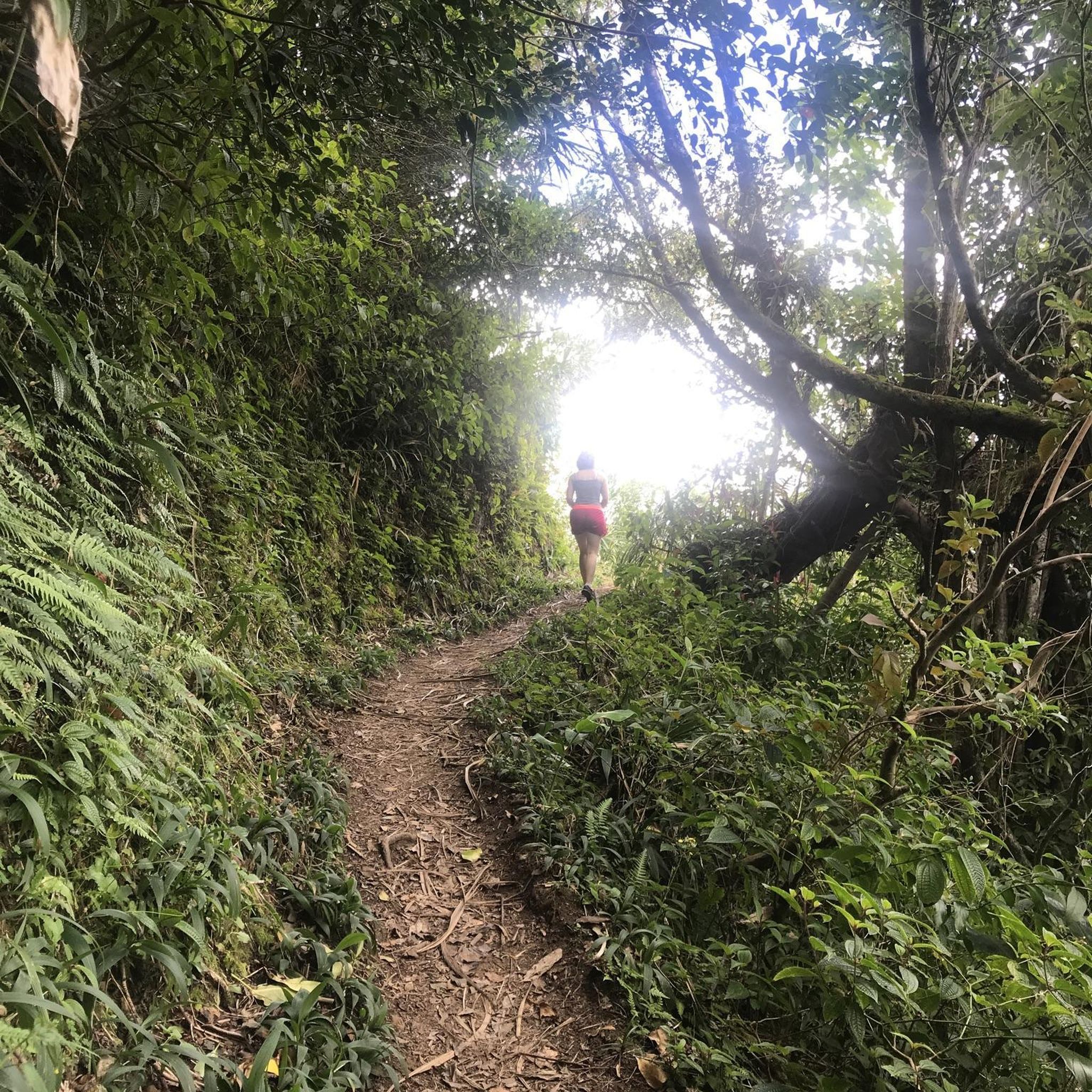
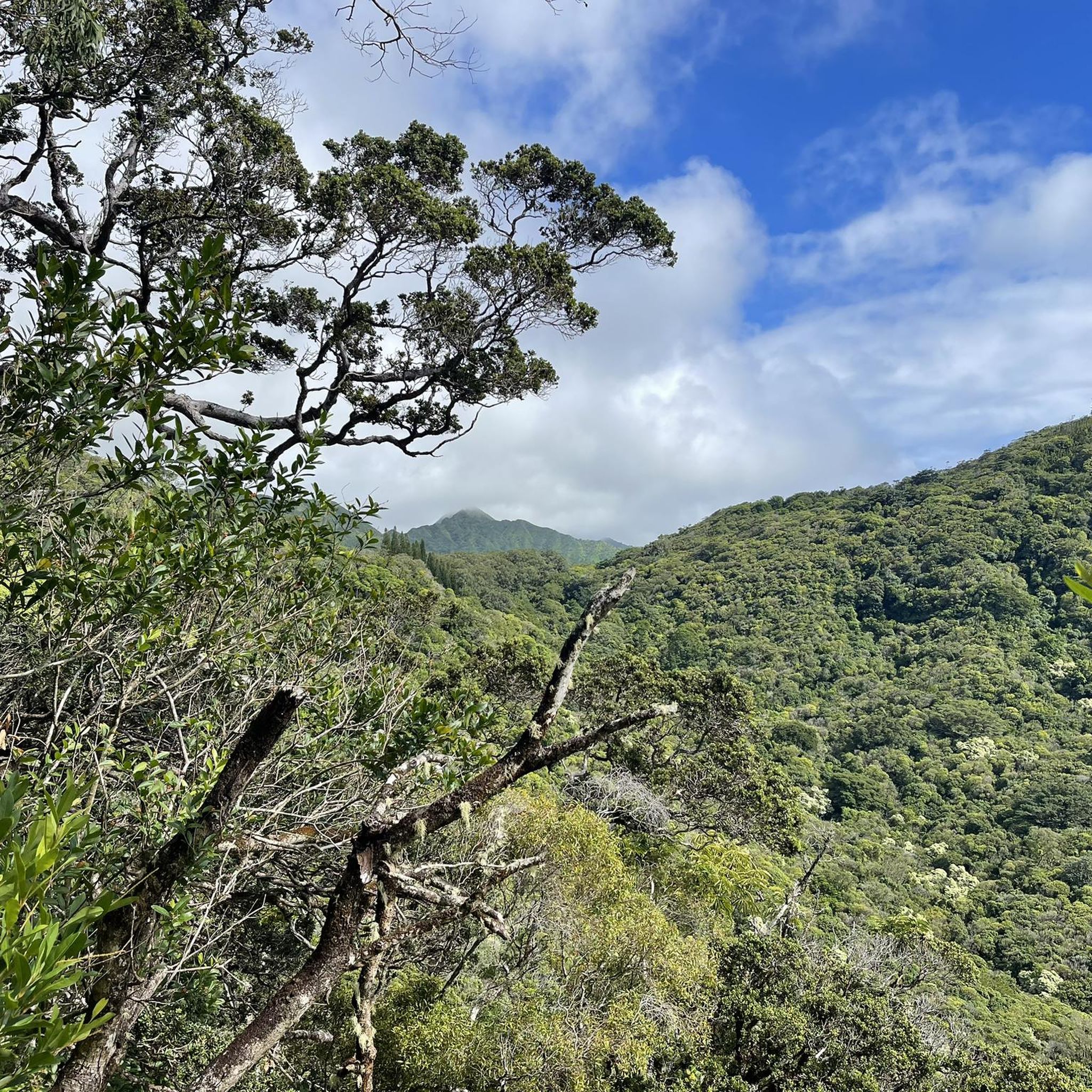
Touring cycling in Honolulu Forest Reserve primarily utilizes paved roads that encircle the dense, unpaved interior forest areas. The region is characterized by steep ridges, deep valleys, and lush native forests, offering significant elevation gain and panoramic views. These routes often climb above Honolulu, providing vistas of the island's coastline and landmarks. The landscape features a mix of native koa and 'ōhi'a lehua, as well as eucalyptus, swamp mahogany, bamboo, and banyan forests.
Best touring cycling routes in Honolulu Forest…
Last updated: May 13, 2026
1
riders
24.2km
01:28
150m
150m
Easy bike ride. Great for any fitness level. Mostly paved surfaces. Suitable for all skill levels.
47
riders
78.1km
05:07
890m
890m
Hard bike ride. Very good fitness required. Mostly paved surfaces. Suitable for all skill levels.

Sign up for free
6
riders
Easy bike ride. Great for any fitness level. Mostly paved surfaces. Suitable for all skill levels.
4
riders
28.3km
01:48
340m
340m
Moderate bike ride. Good fitness required. Mostly paved surfaces. Suitable for all skill levels.
5
riders
Moderate bike ride. Good fitness required. Mostly paved surfaces. Suitable for all skill levels.
Get access to more routes and recommendations from other explorers.
Sign up for free
Already have an account?
Our route recommendations are based on thousands of hikes, rides, and runs completed by other people on komoot.
Start today with a free account
Your next adventure awaits.
Login or Signup
Tips from the Community


Former Hawaiian Palace, only Royal residence inn the USA
0
0

The legendary Waikiki Beach stretches three and a half kilometers along the coast of Honolulu in the Waikiki district. The white beach is lined with palm trees and is the ideal place to sunbathe, swim and relax during your Honolulu vacation. Waikiki Beach is also considered a surfing hotspot with a lively nightlife. The beach became increasingly important in the mid-19th century. At that time, the Hawaiian royal family chose the Waikiki coast as their favorite beach residence. The kilometer-long stretch of beach is divided into eight other beaches such as Duke Kahanamoku Beach, Fort DeRussy Beach Park and San Souci Beach. https://www.tourlane.de/nord Amerika/usa/gehenswuerdigkeiten-hawaii/#waikiki-strand
3
0

This good cycle lane goes all the way (anti-clockwise) around Diamond Head point to the crater from Waikiki. If you travel anti-clockwise you can also easily stop off at the coastal look out points without crossing the road.
0
0

This 18-foot bronze statue of Kamehameha is one of Oʻahu’s most photographed landmarks. This statue was erected in 1880 after the original statue was thought to be lost at sea, but was then recovered in 1912! For those not interested in history, this is also a popular location from the TV series Hawaii Five-O!
0
0
The Aloha Stadium has been providing multi-use entertainment for the past 47 years. The stadium is being revamped and actually made smaller from 50,000 seats to 25-30,000 seats. The project, like all construction projects, has hit a few snags and won't be ready until 2028.
0
0
The Pali (meaning "cliff") Lookout is the site of the Battle of Nuʻuanu, where in 1795 King Kamehameha I won the struggle that finally united Oʻahu under his rule. This fierce battle claimed hundreds of soldiers’ lives, many of which were forced off of the Pali’s sheer cliffs. Site is free for pedestrians / $7 for cars.
0
0
Frequently Asked Questions
How many touring cycling routes are available in the Honolulu Forest Reserve area?
There are over 40 touring cycling routes available in the Honolulu Forest Reserve area, offering a diverse range of experiences from easy, flat loops to challenging mountain climbs.
Are there easy touring cycling routes suitable for beginners or families?
Yes, the area offers several easy touring cycling routes perfect for beginners or families. For instance, the Nimitz Bike Path and Salt Lake Loop is an easy 15-mile (24.2 km) path that follows a dedicated bike path and circles Salt Lake, offering flat terrain. Another accessible option is the ʻIolani Palace – King Kamehameha Statue loop from Bernice Pauahi Bishop Museum, which is 15.9 miles (25.6 km) and also rated easy.
Can I bring my dog on touring cycling routes in the Honolulu Forest Reserve area?
While the dense, unpaved trails within the Honolulu Forest Reserve are primarily for hiking and may have restrictions, many of the paved touring cycling routes around the reserve are public roads. It's best to check local regulations for specific paths regarding pets, especially if you plan to stop at parks or attractions along the way.
What kind of views can I expect on these cycling routes?
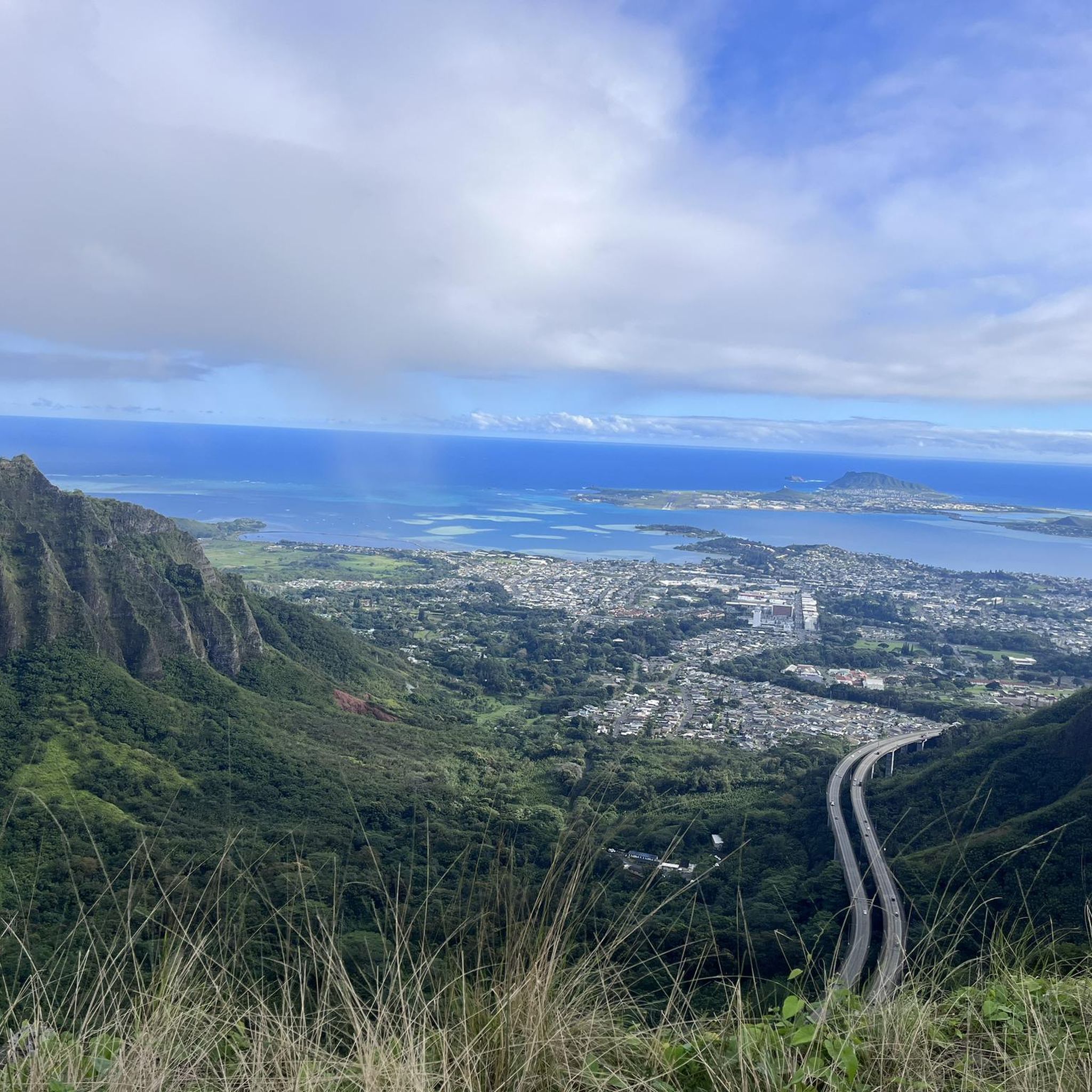
The touring cycling routes in the Honolulu Forest Reserve area offer breathtaking panoramic views. You can expect to see stunning vistas of Pearl Harbor, Honolulu, Waikiki, Manoa Valley, Diamond Head, and the Waianae Mountains. Many routes climb above Honolulu, providing elevated perspectives of the island's diverse landscapes, from lush forests to the sparkling coastline.
Are there any circular touring cycling routes?
Yes, many of the touring cycling routes in the area are designed as loops. Examples include the View of Pearl Harbor – Aliamanu Road loop from Tripler Army Medical Center, which is a moderate 32.7-mile (52.7 km) ride, and the Makapu'u Lookout – King Kamehameha Statue loop from Kalihi Transit Center, a challenging 48.5-mile (78.1 km) coastal route.
What are some notable landmarks or attractions I can see while cycling?
While cycling the paved routes around the Honolulu Forest Reserve, you can encounter several significant landmarks and natural features. Routes often pass by areas offering views of Pearl Harbor, the King Kamehameha Statue, and the ʻIolani Palace. You'll also cycle through diverse forests of eucalyptus, swamp mahogany, bamboo, and banyan, and may catch glimpses of the famous Manoa Falls area from a distance.
What is the best time of year to go touring cycling here?
Honolulu offers pleasant cycling conditions year-round due to its tropical climate. However, the wet season (roughly November to April) brings more rain, which can make some areas slippery, though it also makes waterfalls more spectacular. The dry season (May to October) generally offers sunnier and drier conditions, ideal for long rides. Always check the local weather forecast before heading out.
Are there options for challenging touring cycling routes?
Absolutely. For experienced touring cyclists seeking a challenge, there are routes with significant elevation gain. The King Kamehameha Statue – Makapu'u Lookout loop from Kalihi Transit Center is a difficult 82.4-mile (132.7 km) route with over 1,100 meters of elevation gain, offering a demanding yet rewarding experience with extensive views.
How do other cyclists rate the touring routes in the Honolulu Forest Reserve area?
The touring cycling routes in the Honolulu Forest Reserve area are highly rated by the komoot community, with an average score of 4.2 stars from over 19 reviews. Cyclists often praise the stunning panoramic views, the lush rainforest environments, and the variety of routes available for different skill levels.
Are there any specific considerations for parking when cycling in this area?
Parking availability can vary depending on your chosen starting point. Many routes begin near urban centers or public parks where parking lots are available, such as near the Tripler Army Medical Center or the Kalihi Transit Center. It's advisable to research parking options for your specific route's trailhead or starting point in advance.
Is public transport available to access these cycling routes?
Yes, public transport, primarily TheBus system, serves many areas around Honolulu, including locations near the starting points of several touring cycling routes. Some routes, like those originating from the Kalihi Transit Center, are directly accessible via public transport, making it convenient for cyclists without personal vehicles. Check TheBus schedules and bike-on-bus policies for specific routes.
Are there places to eat or stay near the cycling routes?
Given the proximity of many routes to Honolulu's urban and suburban areas, you'll find numerous cafes, restaurants, and accommodation options. From casual eateries to fine dining, and various hotels or guesthouses, there are ample choices to refuel and relax before or after your ride. Specific options will depend on the exact route you choose.
Are there any routes that feature waterfalls or lush rainforest environments?
While the core of the Honolulu Forest Reserve is primarily for hiking to waterfalls like Manoa Falls, the surrounding paved cycling routes offer immersive experiences through lush rainforest environments. You'll cycle through dense forests of eucalyptus, swamp mahogany, bamboo, and banyan, experiencing the sounds and sights of the tropical ecosystem. Some routes offer distant views of the valleys where waterfalls are located.
Most popular routes in Honolulu Forest Reserve

Get inspired with the komoot mobile app


Explore more
Browse the best Cycling routes in other regions.
