Top 20 Caves in Umbria
Caves in Umbria, often referred to as "the green heart of Italy," offer a diverse range of subterranean experiences. The region features extensive natural underground systems and ancient man-made tunnels. These geological formations and historical excavations provide insights into both natural processes and human ingenuity over centuries. Umbria's caves present captivating experiences for visitors interested in natural wonders and archaeological sites.
Best caves in Umbria
- The most popular caves is Hermitage of the Carceri, a religious building and cave.…
Last updated: October 12, 2026
Hermitage of the Carceri
Highlight • Religious Site
The Shrine of the Hermitage of the Prisons
An ancient Franciscan shrine on Monte Subasio, 4 km from Assisi and 800 meters above sea level, …
Translated by Google •
Tip by

Orvieto Cathedral
Highlight • Religious Site
Translated by Google •
Tip by

Sign up now to discover places like this
Get recommendations on the best single tracks, peaks, & plenty of other exciting outdoor places.
Statue of Friar Masseo and Chapel, Eremo delle Carceri
Highlight • Religious Site
The Shrine of the Hermitage of the Prisons
An ancient Franciscan shrine on Monte Subasio, 4 km from Assisi and 800 meters above sea level, …
Translated by Google •
Tip by
Faggeto Tomb
Highlight • Historical Site
Located on a hill near San …
Translated by Google •
Tip by

The Saint's Hermitage
Highlight • Cave
Translated by Google •
Tip by

Abbadessa Caves of Pale
Highlight • Cave
This mineral, depositing over millennia, has given rise to spectacular caves, including the Abbadessa Caves, …
Translated by Google •
Tip by

Lovers' Balcony
Highlight • Viewpoint
Translated by Google •
Tip by

Entrance to Orvieto Underground
Highlight • Cave
The Orvieto tufa graves are dry cavities created by human intervention and are located below the …
Translated by Google •
Tip by

Monte Cucco Parking Area
Highlight • Parking
Translated by Google •
Tip by

Necropolis of San Lorenzo
Highlight • Historical Site
Translated by Google •
Tip by

Sign up for free to discover even more caves in Umbria.
Already have an account?
Start today with a free account
Your next adventure awaits.
Popular around Umbria
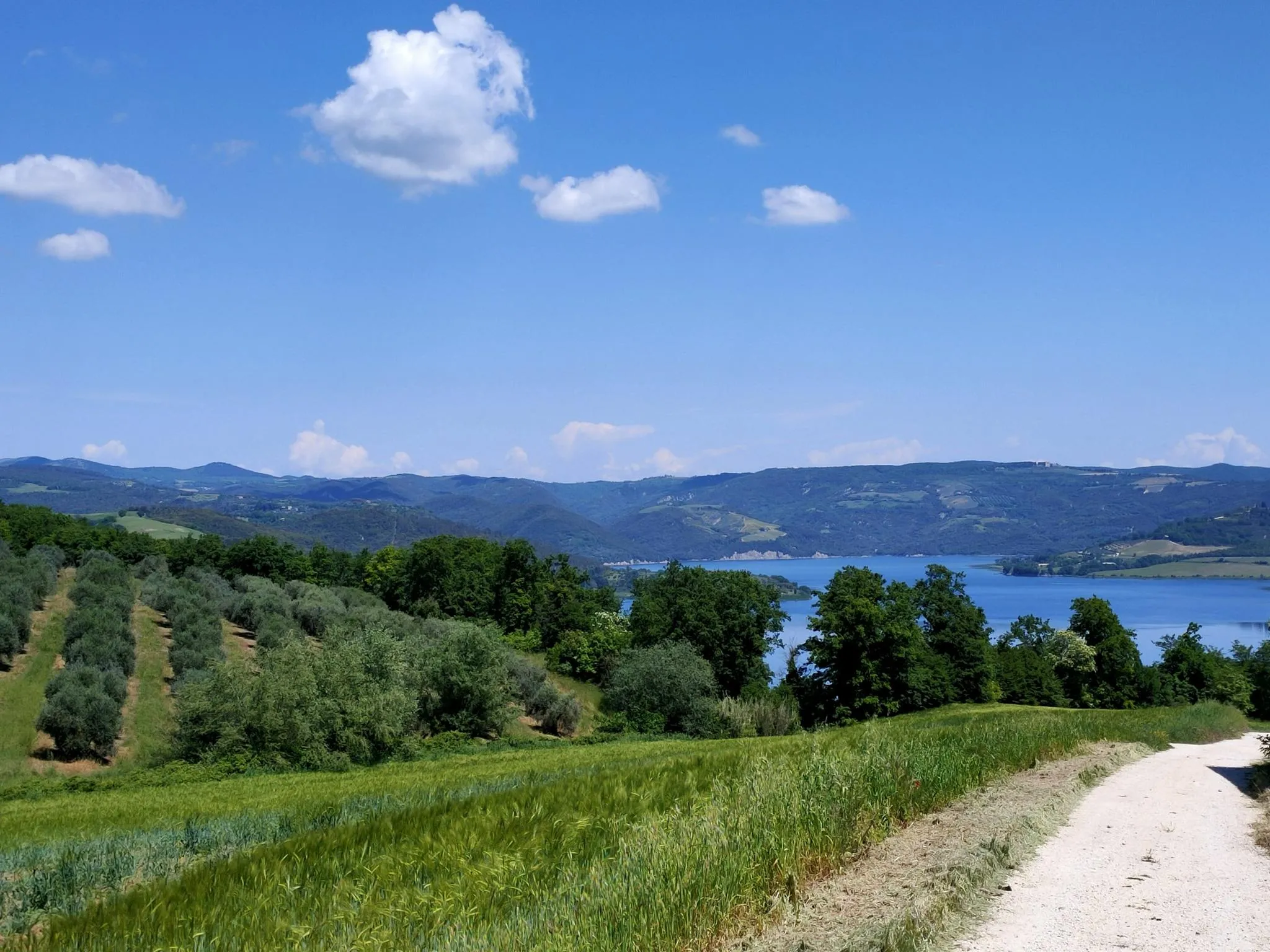
Italian Coast2Coast – From Portonovo to Orbetello
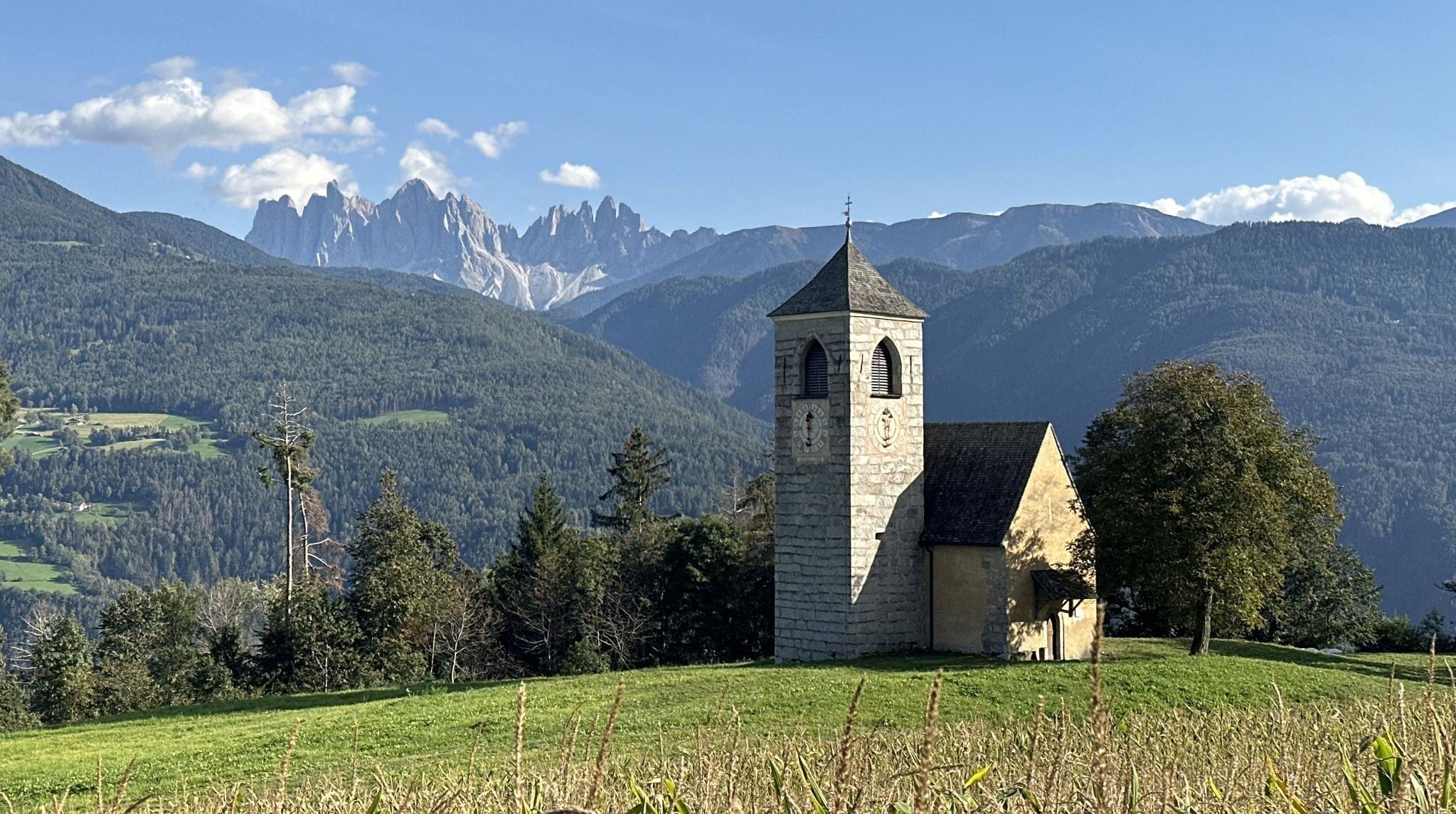
Via Romea Germanica – History, nature and spirituality

Naples to North Cape — Two friends, one purpose and many scoops of ice-cream
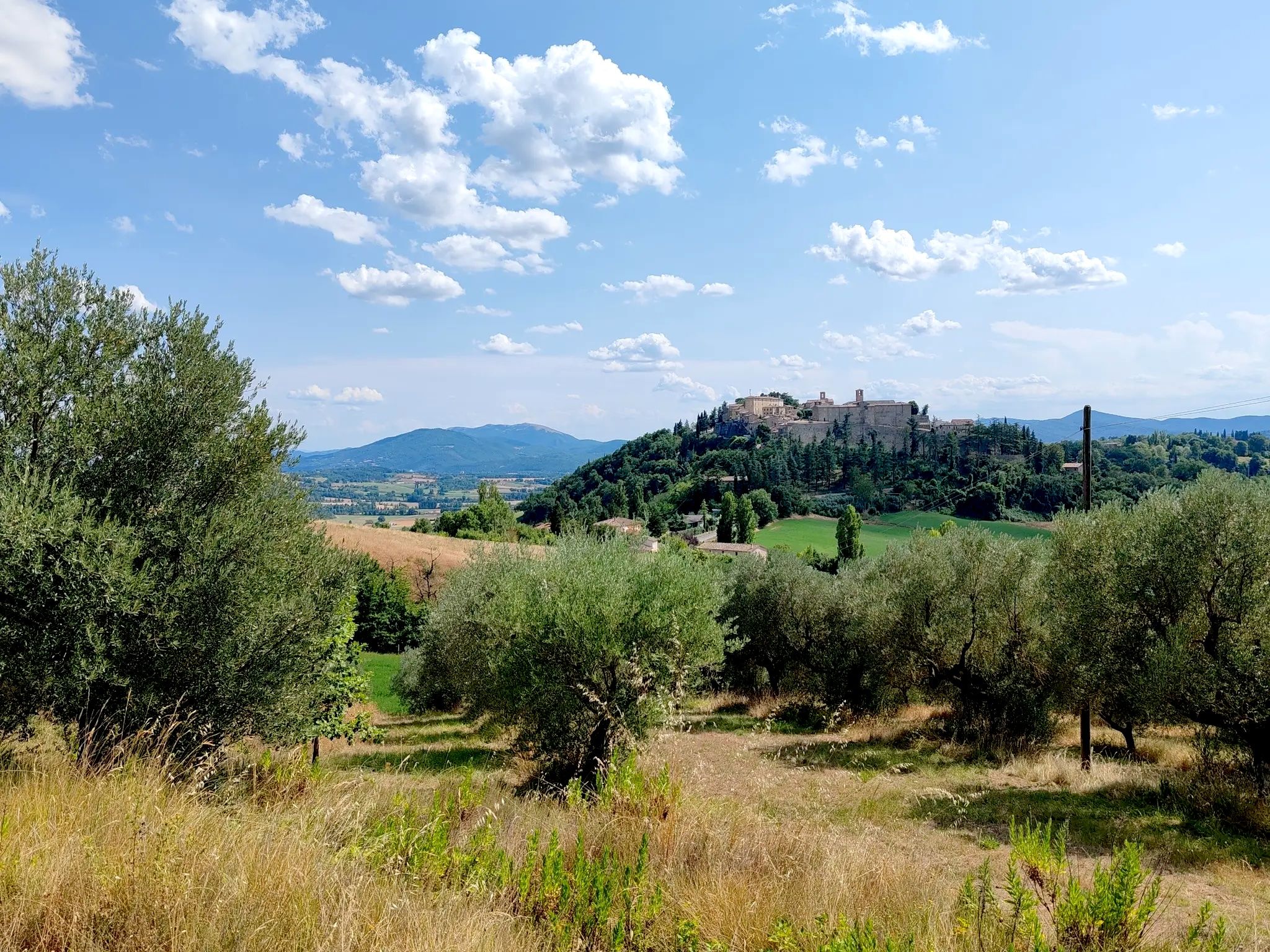
Day rides in the heart of Umbria – a Journey through History
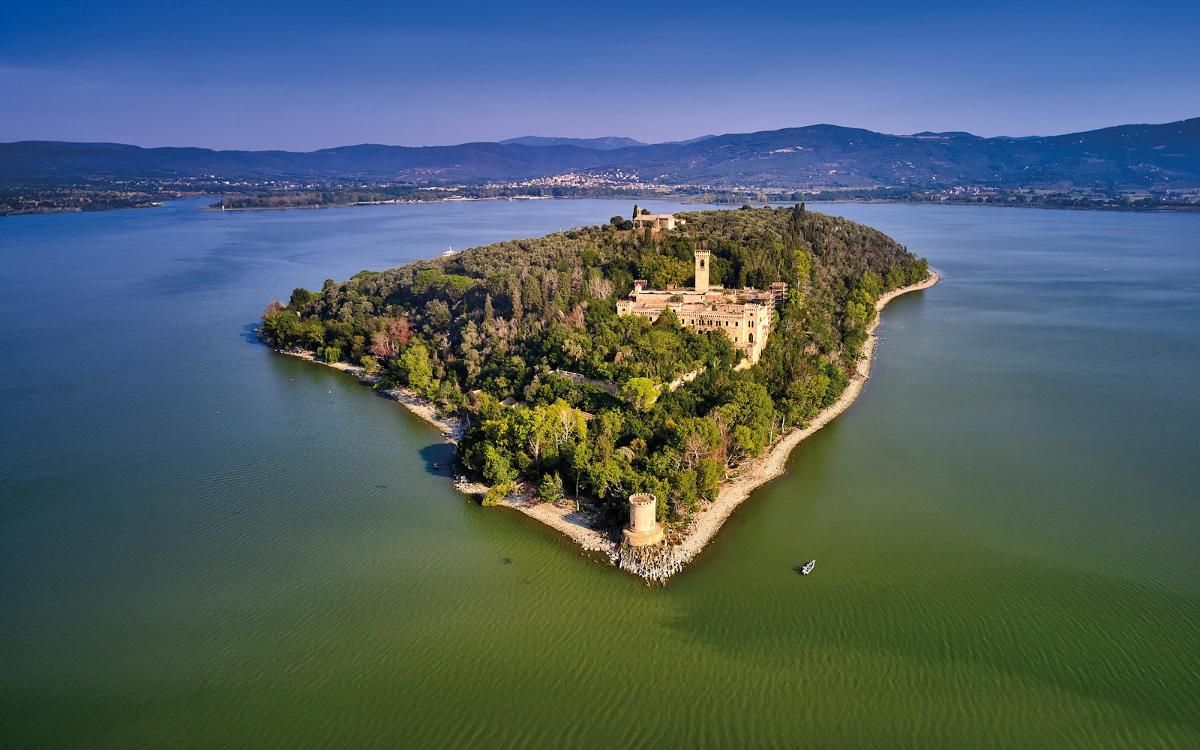
Trasimeno cycle route – Trasimeno for all
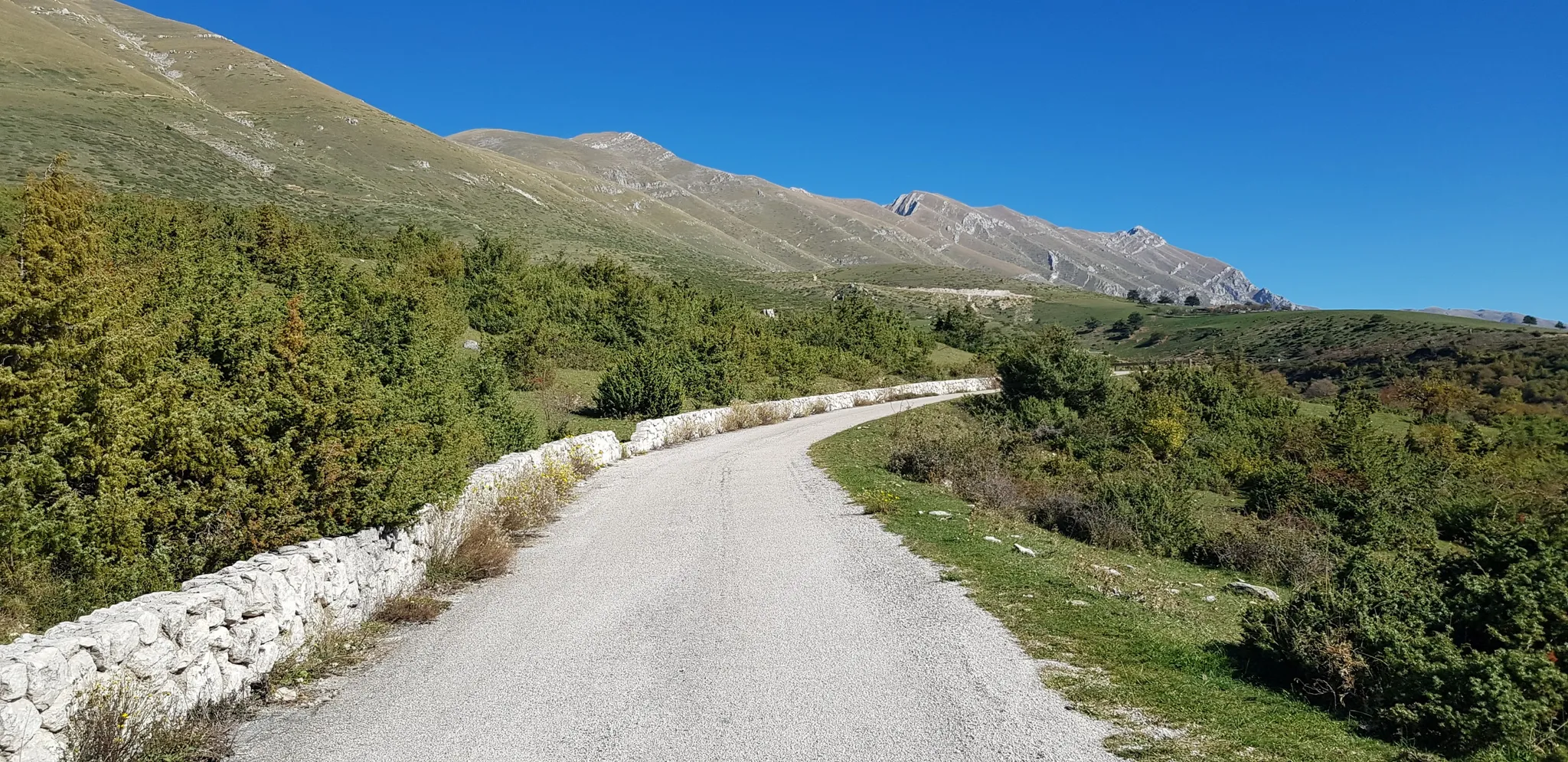
The Apennine Cycleway (Part 2) - From Umbria to Calabria
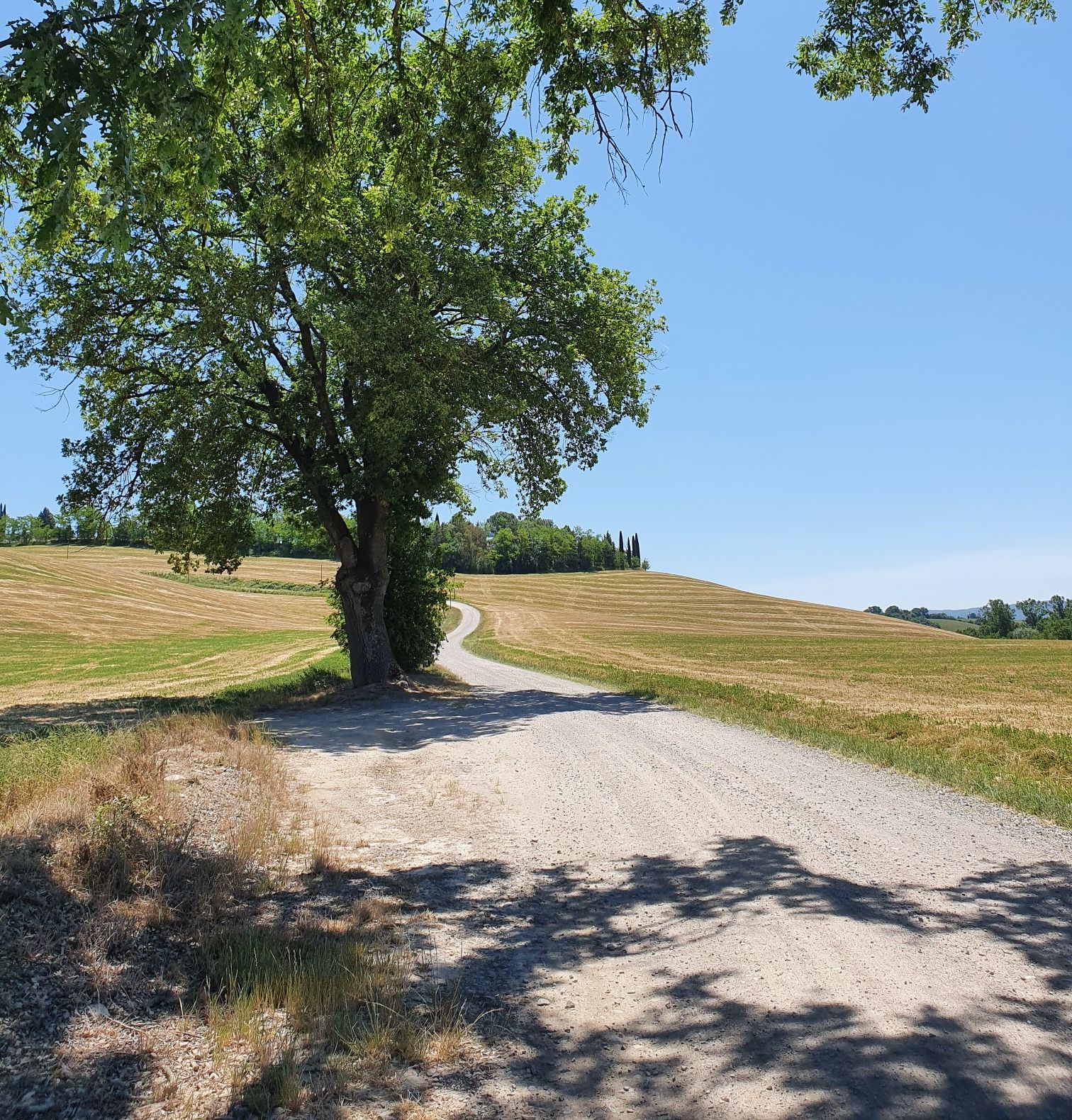
Ciclovia dei due mari - By bike from the Tyrrhenian Sea to the Adria
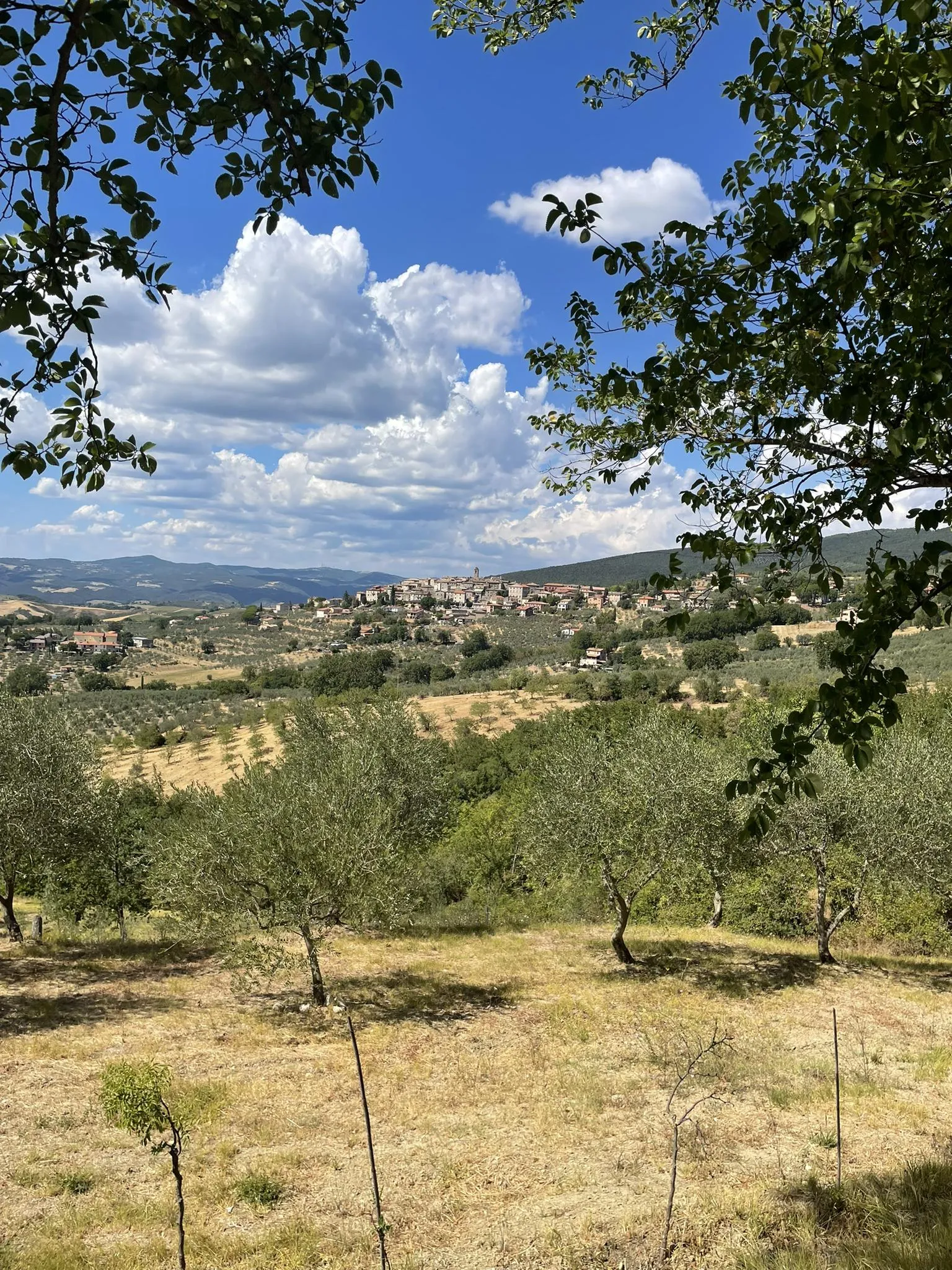
Hiking in Italy’s Umbria region – Cammino dei Borghi Silenti
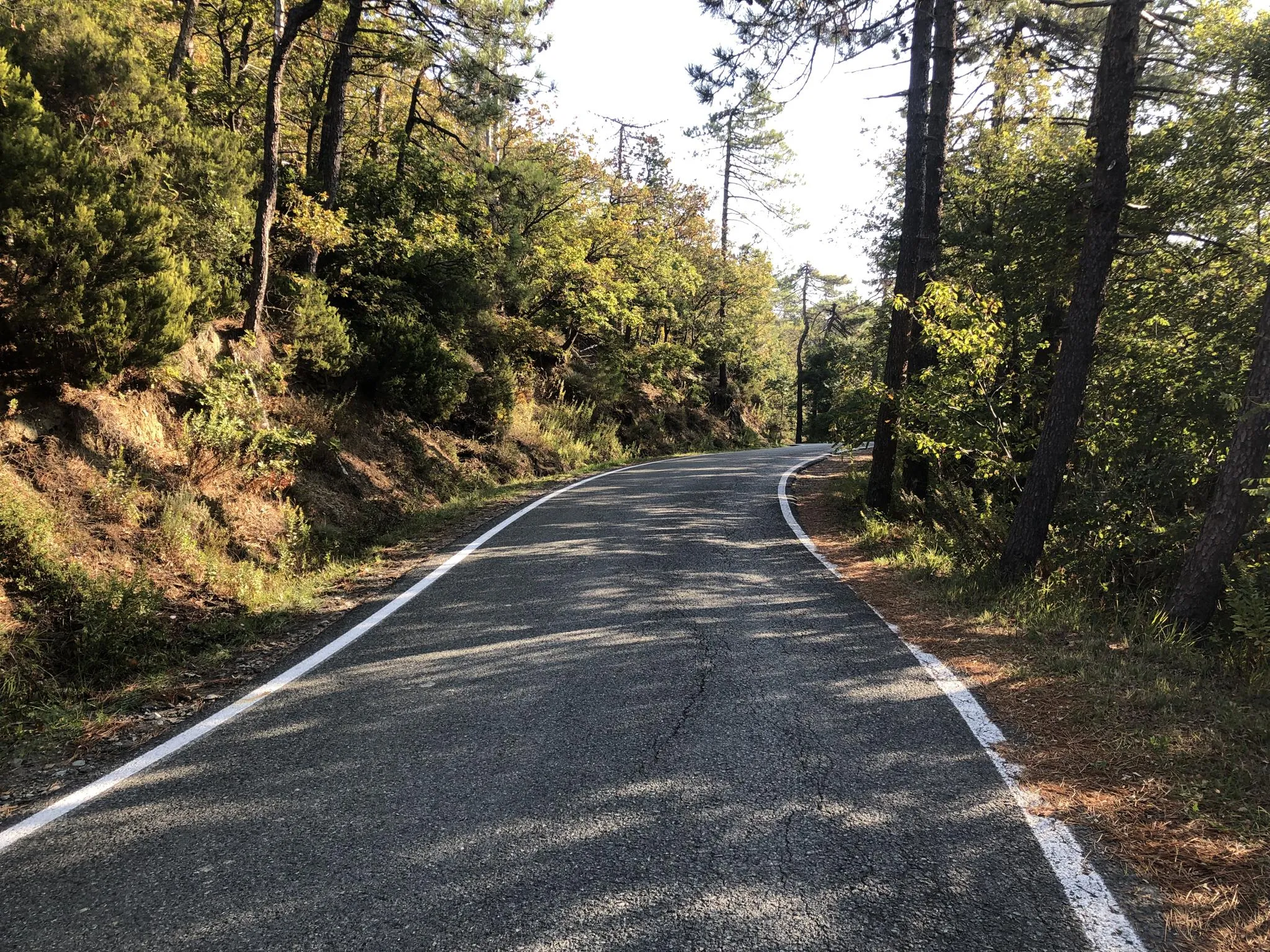
Apennine Cycle Route (Part 1) - From Liguria to Umbria
In the footsteps of St. Francis - Cammino di Assisi
Other adventures in Umbria


Tips from the Community

altar of the Tau
1
0

Eremo delle Carceri, the resting place of St. Francis, Assisi The Eremo delle Carceri is a pilgrimage site located in the dense forest of Monte Subasio, about 4 km from Assisi and at an altitude of 800 m. St. Francis and his first brothers imprisoned themselves for devotion, living a simple life, and praying more devoutly. The word "carceri," which may be confusing, does not mean "prison" but comes from the Latin "carcer," meaning a solitary, isolated place. This is where the term "carcerare" comes from, referring to monks and describing their practice of retreating to pray as hermits. In 1215, Benedictine monks donated the Eremo delle Carceri to Saint Francis, which became one of the most important places in his life: Immersed in a quiet, peaceful, centuries-old holm oak forest, Saint Francis followed his calling here and learned to pray devoutly. The Grotto of Saint Francis, among stories and legends Through a narrow passage, one reaches the Grotto of Saint Francis, where, according to the history of Francis of Assisi, the saint experienced his first true meditation and became a different person. Another story is that of Saint Rufinus, a companion of Saint Francis who managed to resist the devil. It is said that the hole in the grotto floor was caused by the devil when he was defeated and sank into the abyss. Many mistakenly believe that St. Francis's famous sermon to the birds took place here, but historical sources definitively link the legend to Piandarca, a town in the municipality of Cannara. Text / Source: Umbria Tourism.it https://www.umbriatourism.it/de/-/eremo-delle-carceri-der-ruheort-des-heiligen-franziskus
13
0
Hermitage of the Prisons, Assisi The Shrine of the Hermitage of the Prisons An ancient Franciscan shrine on Monte Subasio, 4 km from Assisi and 800 meters above sea level, in the heart of a forest of centuries-old holm oaks, is one of the Franciscan shrines guarded by the Friars Minor of the Seraphic Province of Saint Francis of Assisi. The word "carcere" does not mean "prison": it comes from the Latin "carcer," meaning a remote, solitary place, therefore suitable for the life of prayer. Francis, his companions, and, after them, the friars, came here for some prayers. Hermitage of the Prisons, Via Eremo delle Carceri, 38, 06081 Assisi PG, Italy Text/Source: SERAPHIC PROVINCE OF ST. FRANCIS OF ASSISI OF THE UMBRIAN FRIES MINOR https://www.santuarioeremodellecarceri.org/
13
0
Eremo delle Carceri, the resting place of St. Francis, Assisi The Eremo delle Carceri is a pilgrimage site located in the dense forest of Monte Subasio, about 4 km from Assisi and at an altitude of 800 m. St. Francis and his first brothers imprisoned themselves for devotion, living a simple life, and praying more devoutly. The word "carceri," which may be confusing, does not mean "prison" but comes from the Latin "carcer," meaning a solitary, isolated place. This is where the term "carcerare" comes from, referring to monks and describing their practice of retreating to pray as hermits. In 1215, Benedictine monks donated the Eremo delle Carceri to Saint Francis, which became one of the most important places in his life: Immersed in a quiet, peaceful, centuries-old holm oak forest, Saint Francis followed his calling here and learned to pray devoutly. The Grotto of Saint Francis, among stories and legends Through a narrow passage, one reaches the Grotto of Saint Francis, where, according to the history of Francis of Assisi, the saint experienced his first true meditation and became a different person. Another story is that of Saint Rufinus, a companion of Saint Francis who managed to resist the devil. It is said that the hole in the grotto floor was caused by the devil when he was defeated and sank into the abyss. Many mistakenly believe that St. Francis's famous sermon to the birds took place here, but historical sources definitively link the legend to Piandarca, a town in the municipality of Cannara. Text / Source: Umbria Tourism.it https://www.umbriatourism.it/de/-/eremo-delle-carceri-der-ruheort-des-heiligen-franziskus
14
0
Hermitage of the Prisons, Assisi The Shrine of the Hermitage of the Prisons An ancient Franciscan shrine on Monte Subasio, 4 km from Assisi and 800 meters above sea level, in the heart of a forest of centuries-old holm oaks, is one of the Franciscan shrines guarded by the Friars Minor of the Seraphic Province of Saint Francis of Assisi. The word "carcere" does not mean "prison": it comes from the Latin "carcer," meaning a remote, solitary place, therefore suitable for the life of prayer. Francis, his companions, and, after them, the friars, came here for some prayers. Hermitage of the Prisons, Via Eremo delle Carceri, 38, 06081 Assisi PG, Italy Text/Source: SERAPHIC PROVINCE OF ST. FRANCIS OF ASSISI OF THE UMBRIAN FRIES MINOR https://www.santuarioeremodellecarceri.org/
15
0

great place to start for excursions and flights!
1
0
suggestion? explore it all! trails, caves, flying, on horseback, by mountain bike or on foot. Explore it all it's wonderful
0
0

It takes about 20 minutes of walking along path no. 1 to reach it, but it's worth it. Of course. Because the "Balcony of Lovers" is there, in front of the first jump of the waterfall; or rather, "inside" the imposing jet of water, so much so that you need a raincoat to stand there. It is a small terrace located at the end of the tunnel of the same name (the "Tunnel of Lovers"), set in the travertine rock a few centimeters from the waterfall: just stretch out an arm to "test" the waters of the Velino river in free fall. Stuff for strong hearts. You absolutely need a poncho during the winter month.
2
0
Frequently Asked Questions
What types of caves can I explore in Umbria?
Umbria offers a diverse range of subterranean experiences, including extensive natural underground systems like the Cave of Monte Cucco, ancient man-made tunnels such as Orvieto Underground, and water-eroded caves like the Abbadessa Caves of Pale. You'll find both geological wonders and historical excavations.
Are there any historical or archaeological caves in Umbria?
Yes, Umbria has several significant historical and archaeological sites. Faggeto Tomb is an Etruscan tomb discovered in a beech forest, featuring a narrow access corridor and a small room. Orvieto Underground is a labyrinthine network of over 1200 cavities excavated from tufa rock over 3000 years, revealing Etruscan, medieval, and Renaissance life. The Necropolis of San Lorenzo is another large pre-Roman necropolis.
Which caves in Umbria are suitable for families?
Many caves in Umbria offer accessible routes. For instance, the tourist route in the Cave of Monte Cucco is illuminated and features bridges, making it suitable for a family adventure. The Saint's Hermitage is also noted as family-friendly.
What are the most significant natural cave systems in Umbria?
The Cave of Monte Cucco is one of Europe's most significant underground systems, stretching about 35 km with impressive stalactites, stalagmites, and large chambers like the 'Cattedrale' and 'Sala Margherita'. The Cave of Chiocchio in Spoleto is also notable for its sub-horizontal sections, wide halls, and impressive vertical waterfall wells.
Can I go caving or speleology in Umbria?
Yes, Umbria is a popular destination for caving enthusiasts. The Cave of Monte Cucco offers longer speleological routes for experts beyond its tourist path. The Abbadessa Caves of Pale and Grotta dei Pozzi della Piana are also privileged destinations for speleology due to their natural beauty and challenging formations.
Are there any caves in Umbria with religious or spiritual significance?
Yes, several caves hold religious importance. The Hermitage of the Carceri is an ancient Franciscan shrine on Monte Subasio, historically used by Saint Francis and his companions for prayer and meditation in its remote, solitary caves. The Pasquarella Hermitage is a small sanctuary from the 11th century, surrounded by caves historically frequented by hermits.
What outdoor activities can I do near Umbria's caves?
Many caves are located in areas rich with outdoor activities. Near the Cave of Monte Cucco, you can find various hiking routes in the Monte Cucco Natural Park, including moderate trails like 'From Val di Ranco to Rifugio Mainardi'. For more options, explore waterfall hikes in Umbria or cycling routes in Umbria.
What is the best time of year to visit caves in Umbria?
Caves generally maintain a constant temperature year-round, making them a good option in any season. For example, the Cave of Monte Cucco maintains a constant temperature of 6 °C. However, considering the surrounding natural parks and access roads, spring and autumn offer pleasant weather for exploring the areas around the caves.
How accessible are the caves in Umbria, regarding parking and public transport?
Accessibility varies by cave. For instance, the Monte Cucco Parking Area provides facilities for visitors to the Cave of Monte Cucco. For urban caves like Orvieto Underground, you'll typically find parking within or near the city of Orvieto, which is also accessible by public transport. It's advisable to check specific cave websites for detailed access information.
What unique geological features can be found in Umbrian caves?
Umbrian caves showcase a variety of geological formations. The Cave of Monte Cucco features stunning stalactites, stalagmites, galleries, and labyrinths formed by volcanic activity and meteoric waters. The Cave of Chiocchio is known for its impressive waterfall wells and water-eroded tunnels, while the Abbadessa Caves of Pale are formed by travertine deposits from the calcium-rich Menotre River.
Are there any lesser-known or 'hidden' caves worth visiting in Umbria?
While less detailed in available information, Grotta Bella near Avigliano Umbro and the Tane del Diavolo (Devil's Dens) on the slopes of Parrano offer unique explorations into natural karst formations within scenic gorges. These might provide a more off-the-beaten-path experience compared to the more widely known sites.
What should I wear or bring when visiting caves in Umbria?
Given the constant cool temperatures inside caves (e.g., 6 °C in Monte Cucco) and high humidity, it's recommended to wear warm layers, even in summer. Sturdy, non-slip footwear is essential for navigating potentially wet or uneven surfaces. For longer caving expeditions, specialized gear may be required.
Most popular routes in Umbria
Most popular attractions in Umbria

Get inspired with the komoot mobile app


Explore more
Extend your search for the best caves by checking out these guides of the top ones in Umbria:
