Attractions and Places To See around Parco del Monte Subasio - Top 20
Best attractions and places to see around Parco del Monte Subasio, a protected area in Umbria, Italy, offers a blend of natural beauty and historical significance. The park is closely associated with Saint Francis of Assisi and features diverse flora and fauna alongside ancient towns. Its landscape includes Mount Subasio, rising to 1290 meters, and several charming villages like Assisi. Visitors can explore a variety of natural features, including karst phenomena and extensive woods.
Best attractions and places to see around Parco del Monte Subasio
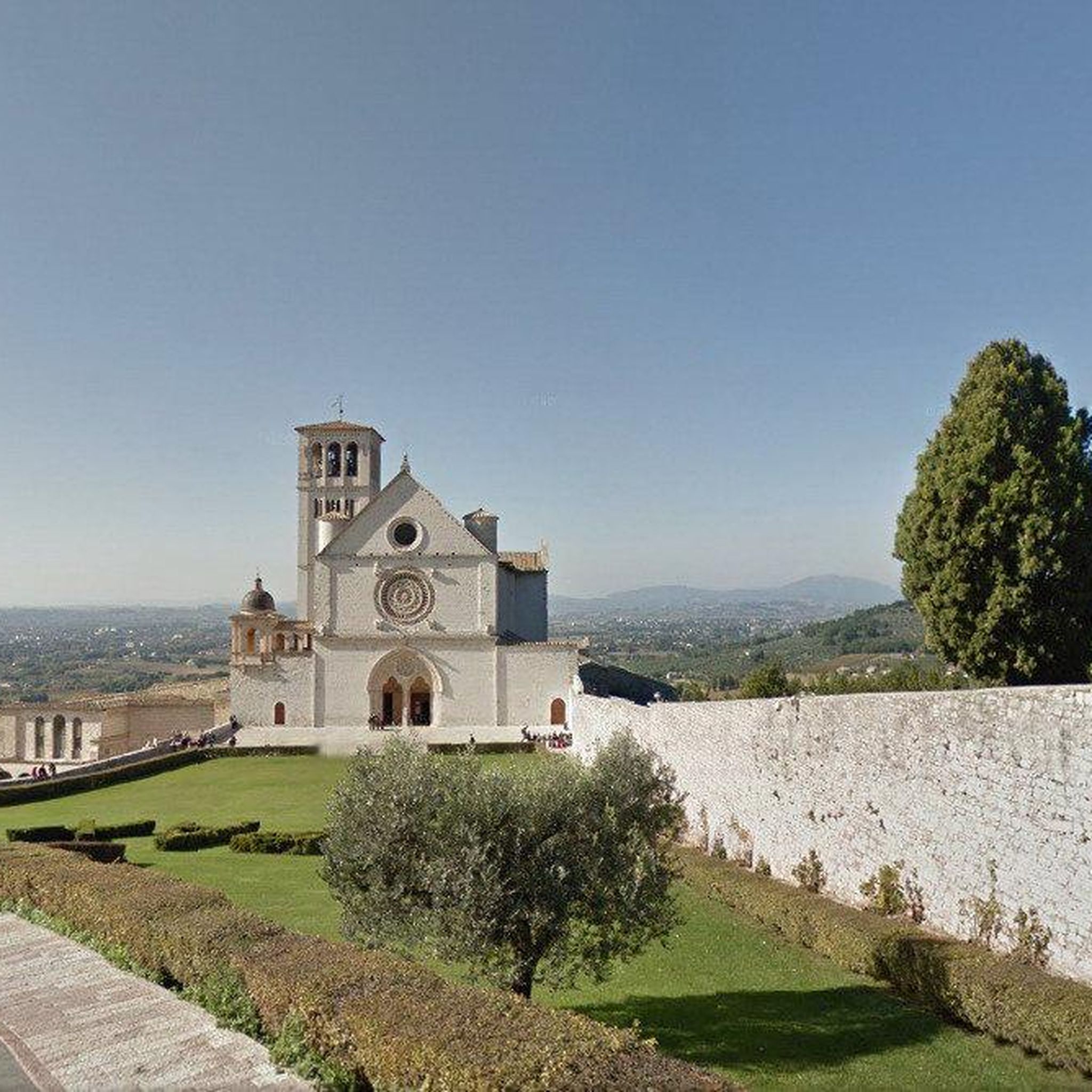
- The most popular attractions is Basilica of Saint Francis, a religious building that is considered a masterpiece of human creative genius. This basilica comprises two superimposed churches and a crypt where Saint Francis's tomb is preserved.
- Another must-see spot is Historic Center of Assisi, a historical site and UNESCO World Heritage Site. This medieval city center is well-preserved, offering ancient Roman foundations and city walls.
- Visitors also love Cathedral of San Rufino and the Fountain, Assisi, an ancient religious building. This cathedral holds significant religious importance as both Saint Francis and Saint Clare were baptized there.
- Parco del Monte Subasio is known for historical sites, religious buildings, and natural features. The region offers a variety of attractions to see and explore, from ancient Roman foundations to significant spiritual landmarks and diverse landscapes.
- The attractions around Parco del Monte Subasio are appreciated by the komoot community, with more than 570 upvotes and over 770 photos shared by visitors.
Last updated: October 9, 2026
Basilica of Saint Francis
Highlight • Religious Site
Translated by Google •
Tip by

Piazza del Comune, Assisi
Highlight • Historical Site
Translated by Google •
Tip by

Sign up now to discover places like this
Get recommendations on the best single tracks, peaks, & plenty of other exciting outdoor places.
Cathedral of San Rufino and the Fountain, Assisi
Highlight • Religious Site
+ of Saint Francis (see komoot.com/de-de/highlight/138624 ) and
+ of Saint Clara (see komoot.com/de-de/highlight/2665025 ). However, these two churches are more recent (compared to this one).
The ancient, venerable and original main church of the city and thus also of the diocese is of course the cathedral, the seat of the bishop. Francis and Clara, for example, also received the sacrament of baptism in this cathedral, dedicated to Saint RUFINO.
Translated by Google •
Tip by
Historic Center of Assisi
Highlight • Historical Site
Both of their churches of the Holy Sepulcher are located there, in the city in which they lived and worked:
=> Santa Chiara: komoot.de/highlight/361280
=> San Francesco: komoot.de/highlight/138624
Translated by Google •
Tip by
Church of Santa Maria sopra Minerva
Highlight • Religious Site
Translated by Google •
Tip by
Sign up for free to discover even more attractions around Parco del Monte Subasio.
Already have an account?
Start today with a free account
Your next adventure awaits.
Popular around Parco del Monte Subasio
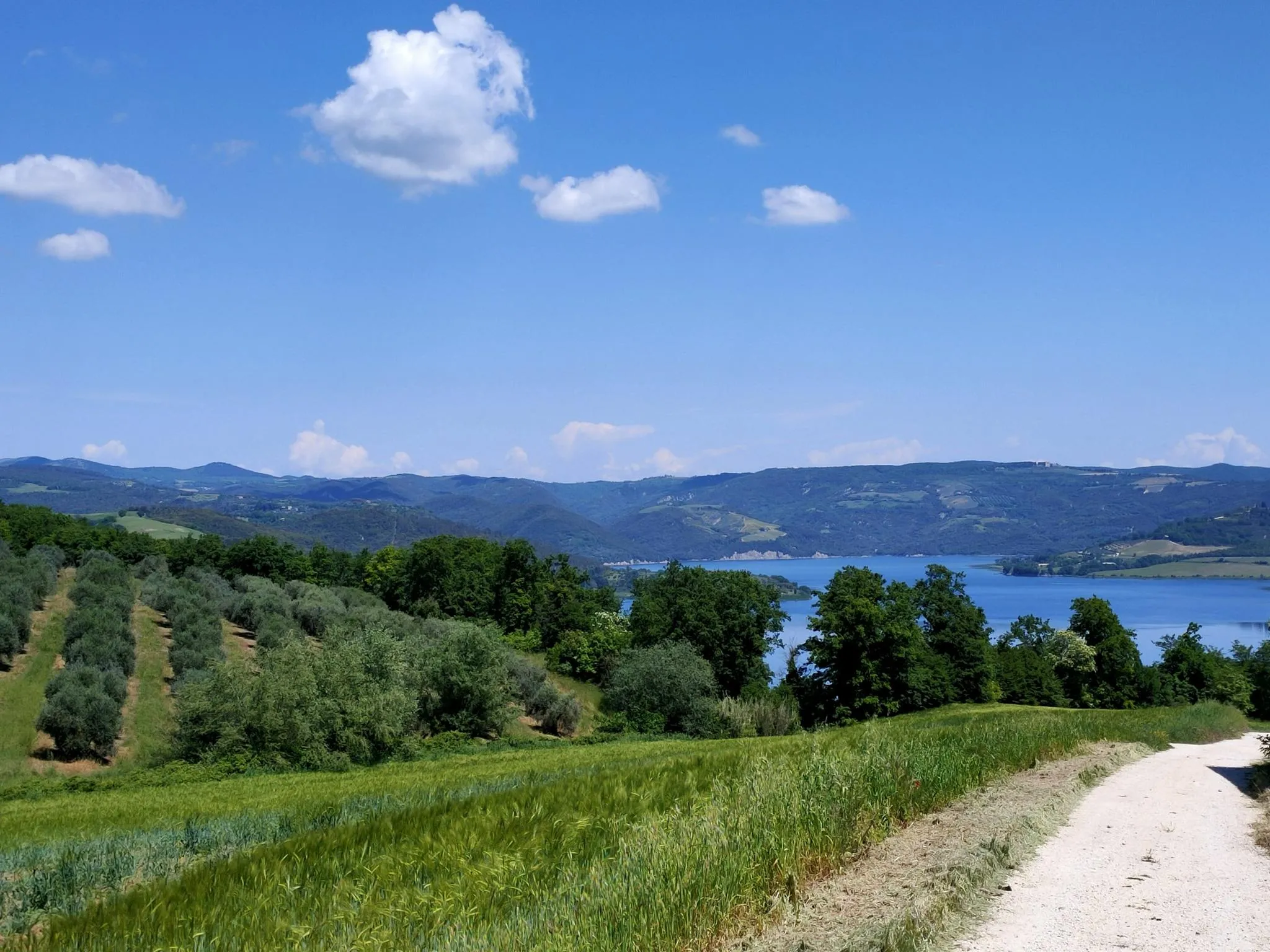
Italian Coast2Coast – From Portonovo to Orbetello
A journey of faith between Umbria and Marche – Via Lauretana
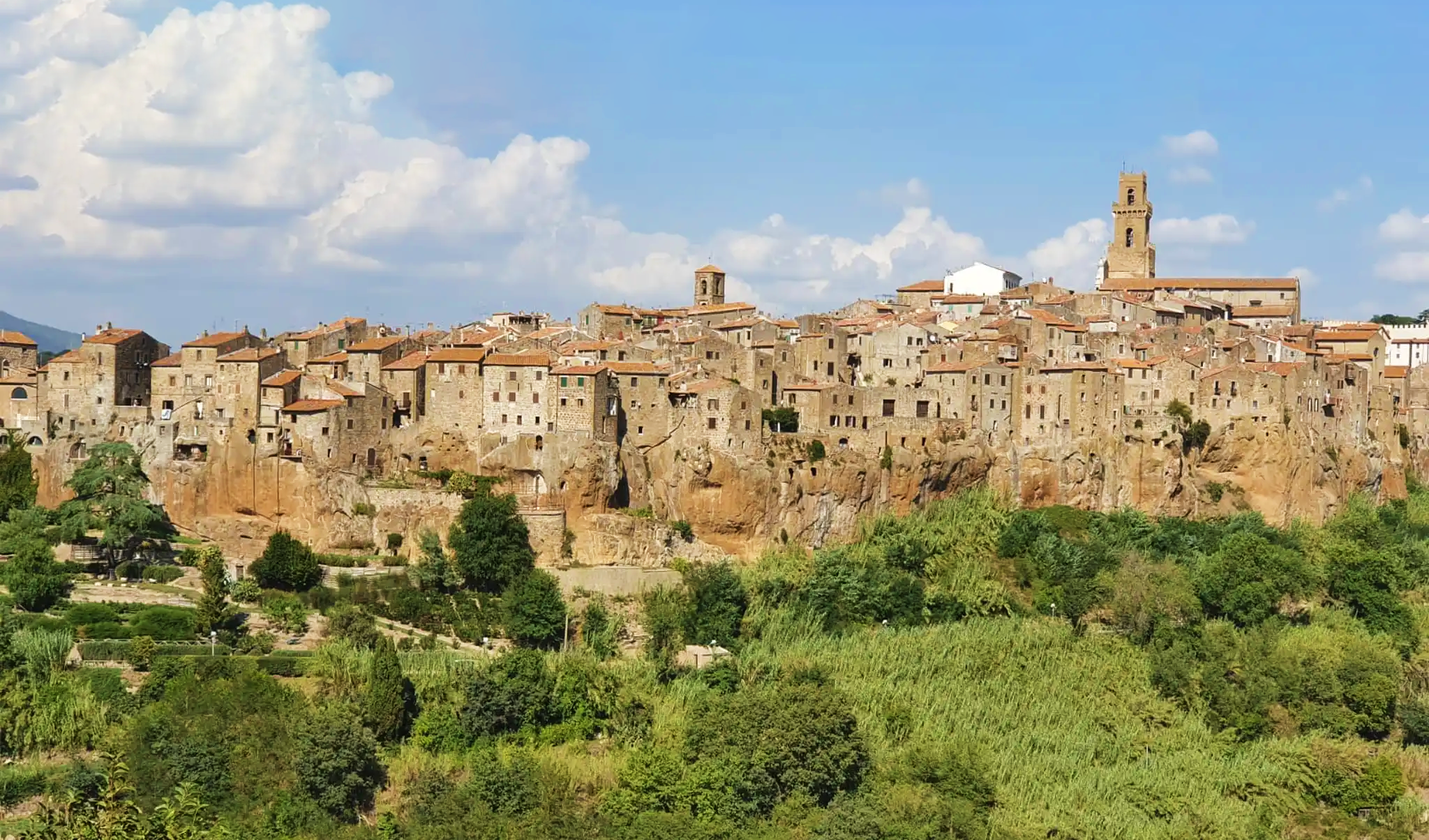
Italy coast to coast by bike – Orbetello to Senigallia
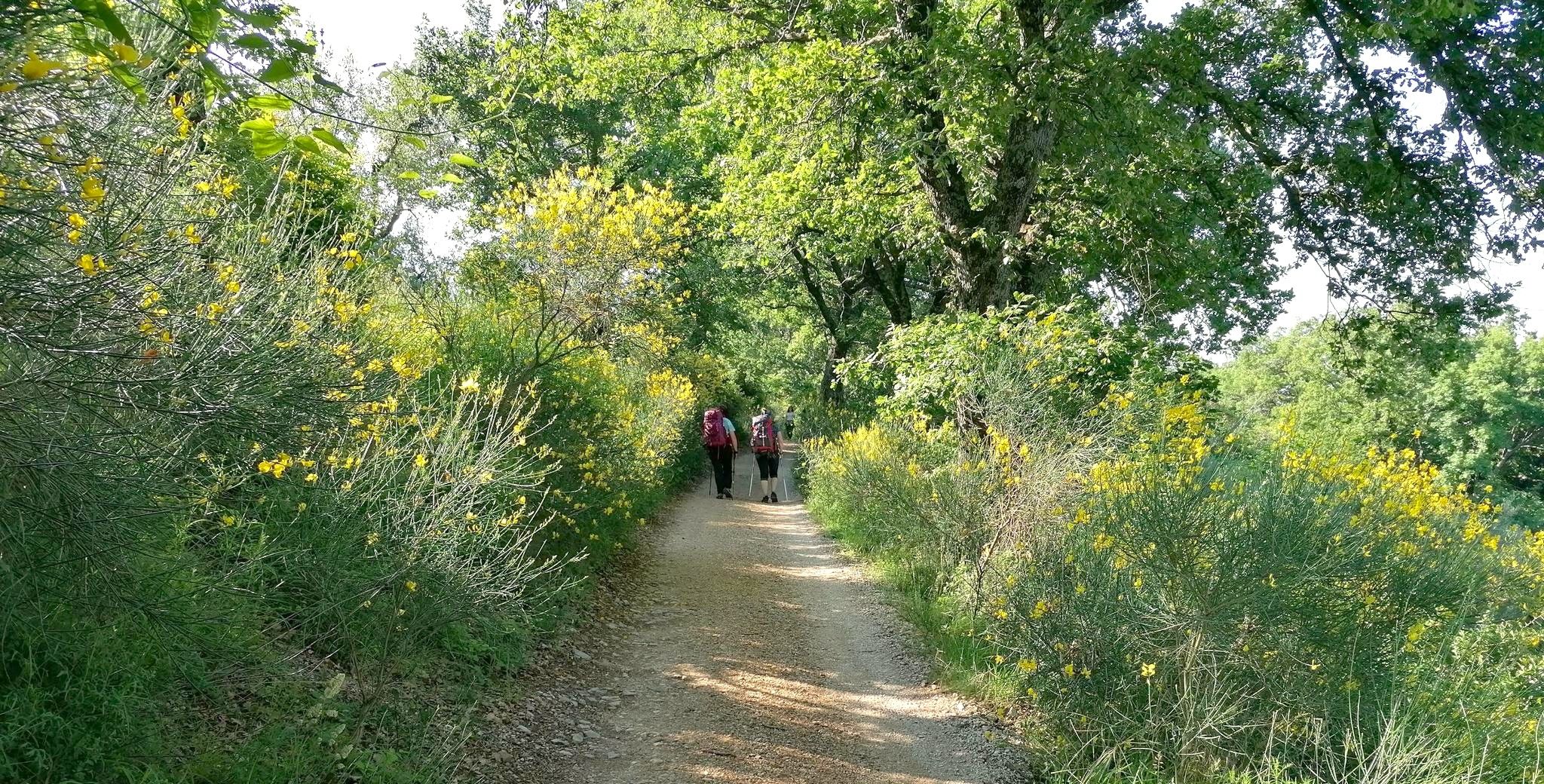
Hiking around Parco del Monte Subasio
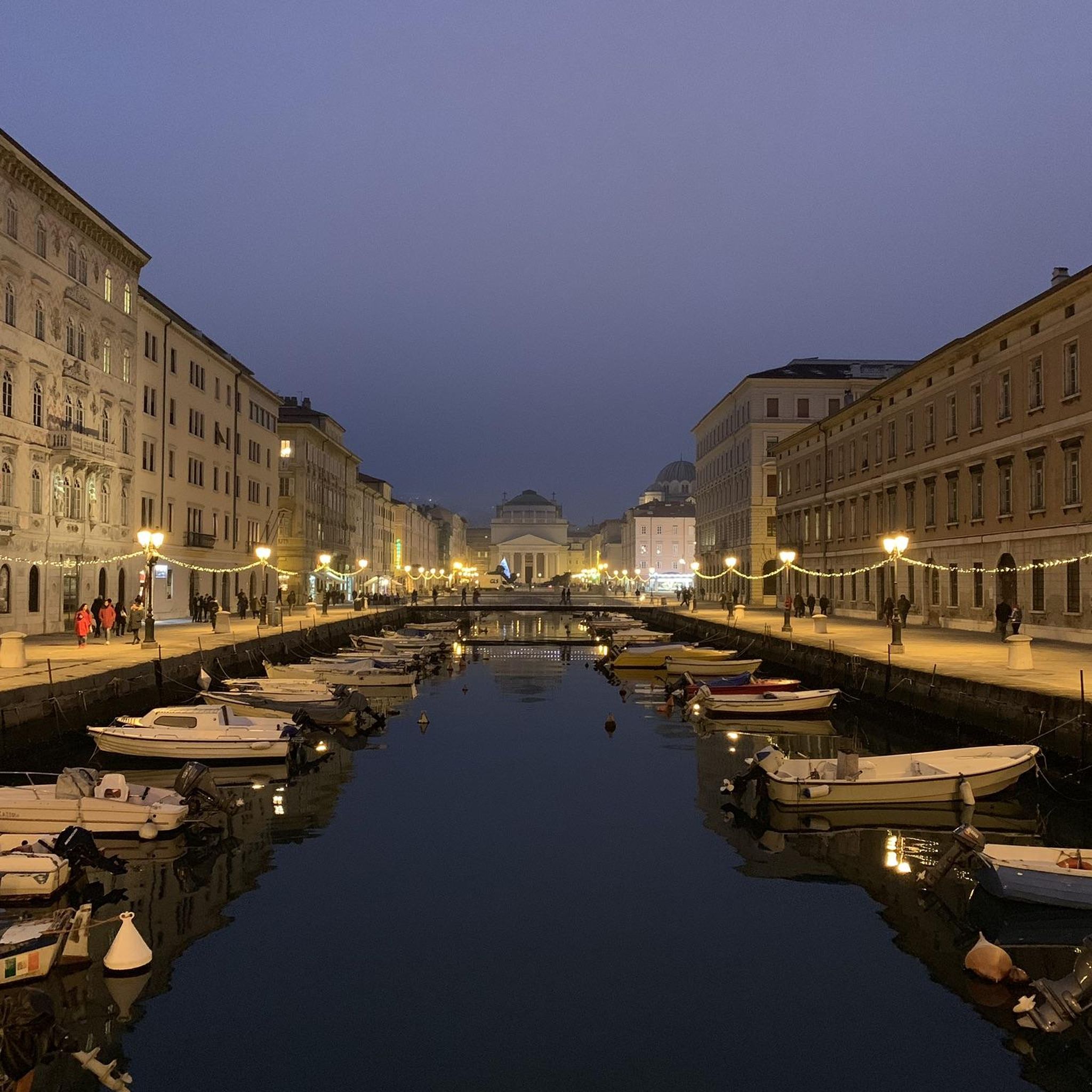
Gravel biking around Parco del Monte Subasio
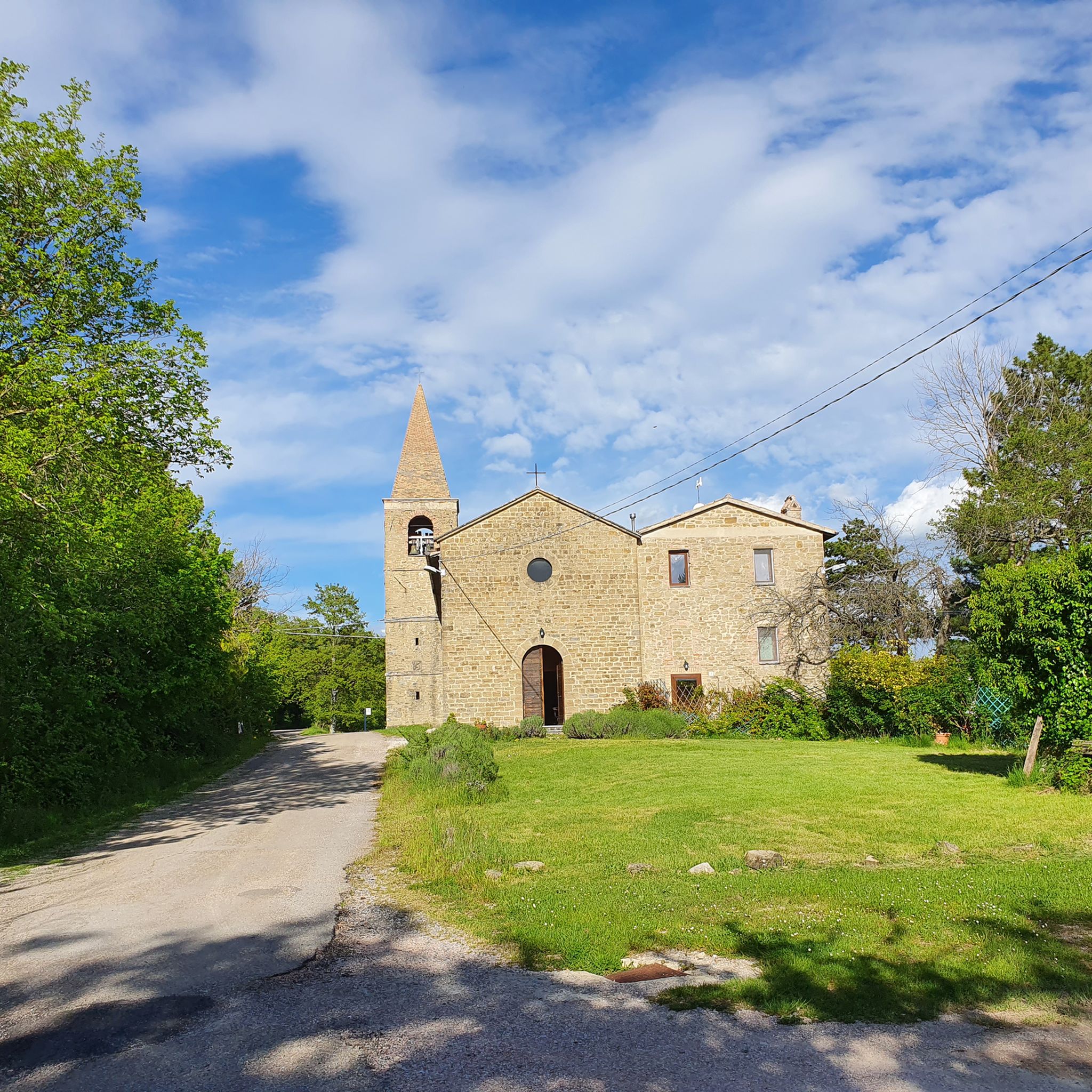
Road Cycling Routes around Parco del Monte Subasio
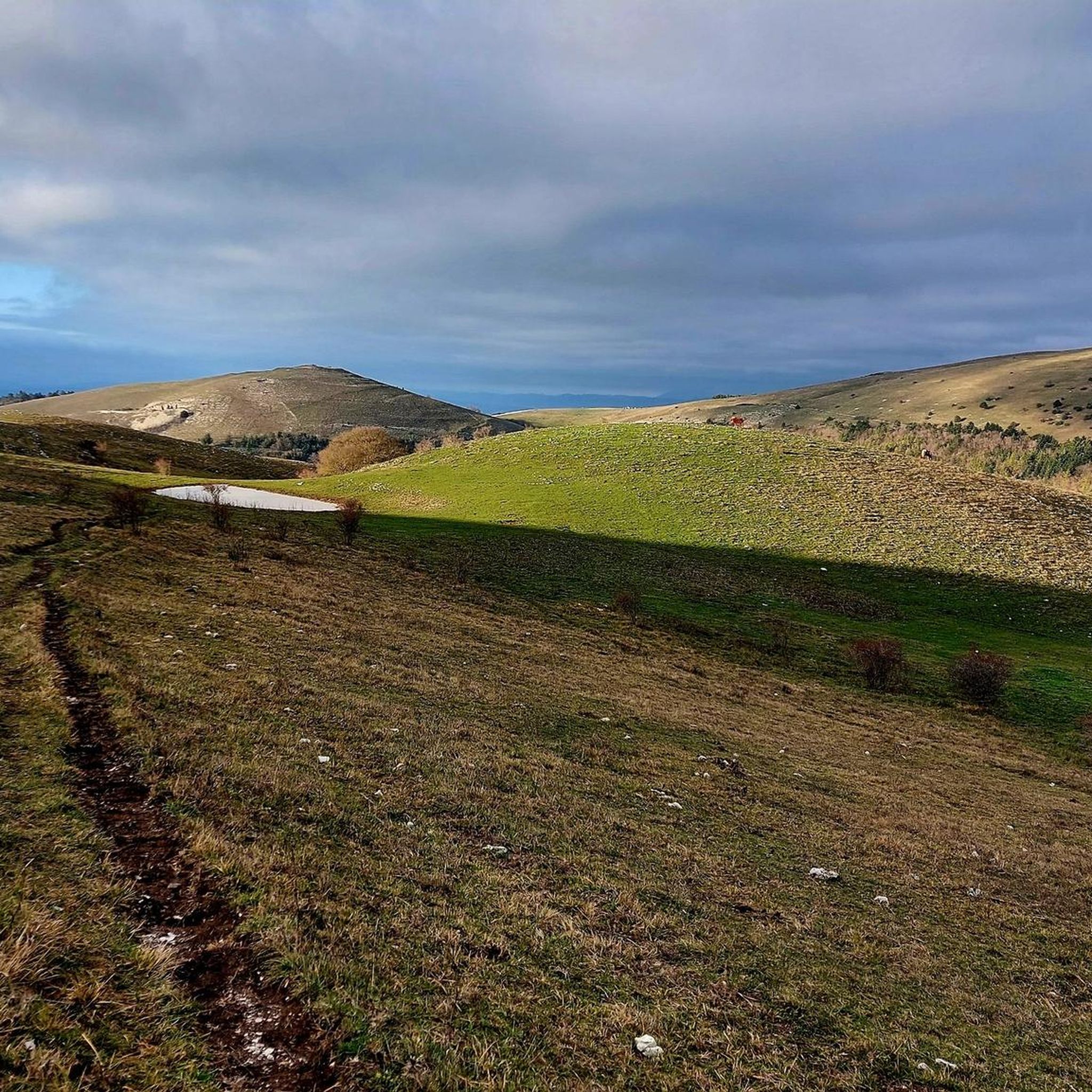
Running Trails around Parco del Monte Subasio
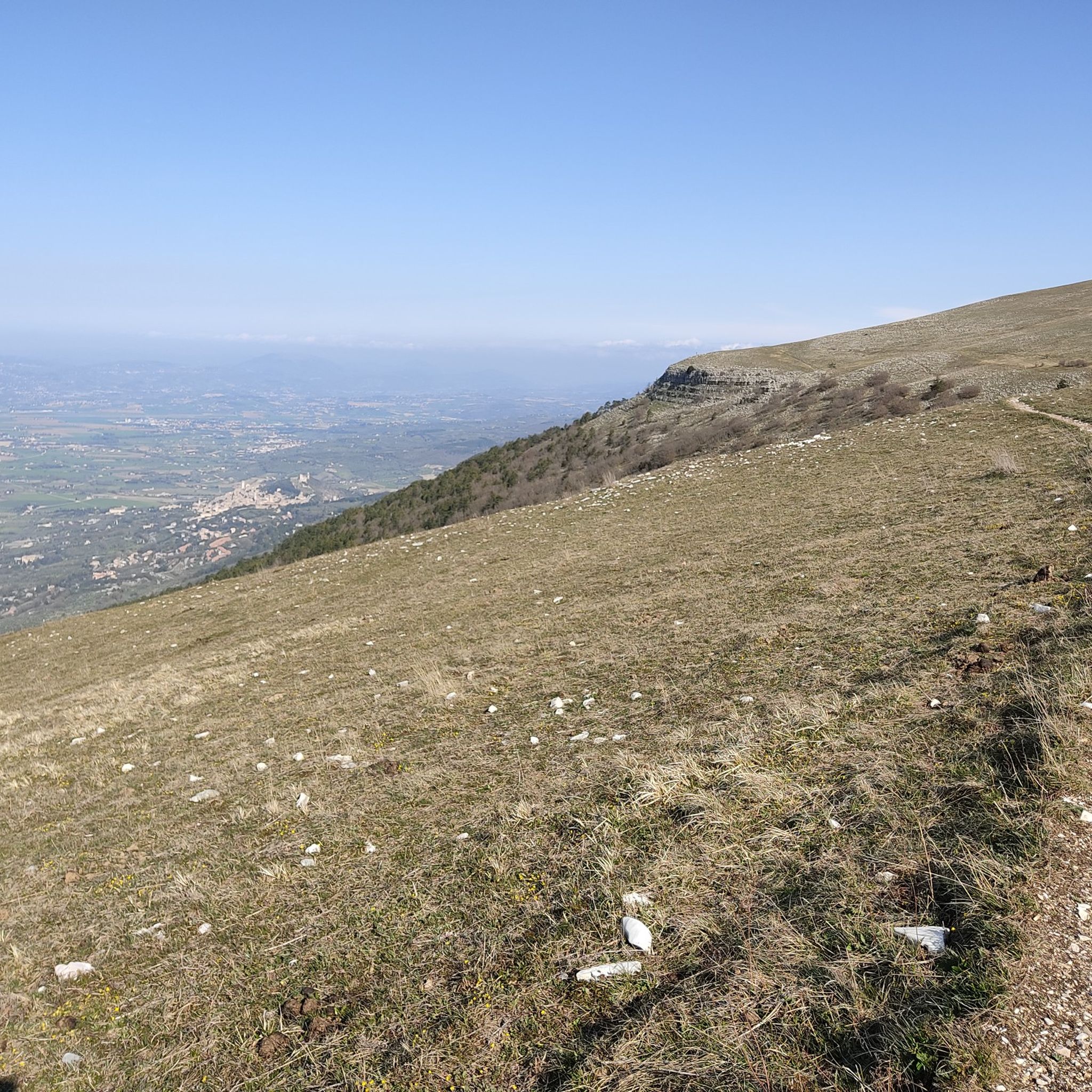
MTB Trails around Parco del Monte Subasio
Cycling around Parco del Monte Subasio
Other adventures around Parco del Monte Subasio


Tips from the Community

of the ancient Roman temple only the six-column façade remains. The church is the seat of the TOR, Third Regular Order of Saint Francis
2
0

Assisi With its world-famous city walls, declared a UNESCO World Heritage Site, Assisi promises visitors a wealth of culture and history. Shopping and long walks in the old town are also part of Assisi's itinerary. Near Perugia, the capital of Umbria, lies Assisi. The birthplace and place of work of St. Francis and St. Clare, it is a city worth visiting, and not only because of its famous children. Assisi's medieval city center and city walls are so well preserved that they were declared a UNESCO World Heritage Site in 2000. The city walls and the Basilica of San Francesco are therefore popular attractions for travelers. Founded by the Romans under the name Asisium, the terraced layout of the oldest Roman part of the city can still be seen today. The forum, an amphitheater, and the temples of the goddess Minerva (goddess of wisdom) are almost completely preserved. Text / Source: italien.de GmbH https://www.italien.de/staedte/assisi
13
0

It's hard to believe that 25 years ago, the earthquake here was so strong (two with magnitudes of 5.6 and 5.8) that 80,000 residents in the region were left homeless. The reconstruction of the old town was a magnificent feat.
0
0
The baroque basilica is located on the town hall square.
2
0

For many visitors to Assisi, the more well-known destinations are probably the Holy Sepulchre Churches + of Saint Francis (see https://www.komoot.com/de-de/highlight/7134144 ) and + of Saint Clara (see https://www.komoot.com/de-de/highlight/2665025 ). However, these two churches are more recent (compared to this one). The ancient, venerable and original main church of the city and thus also of the diocese is of course the cathedral, the seat of the bishop. Francis and Clara also received the sacrament of baptism in this cathedral, dedicated to Saint RUFINO.
4
0

The Roman temple is a hexastyle prostyle of the Corinthian order. It is a podium temple whose columns rest on pedestals on the steps, which is comparatively unusual and results from the lack of space on the terrace on which the temple was originally located. The architrave is double-faced, and the frieze bore a dedicatory inscription that no longer exists. When the church was built in the 16th century, the cella was completely removed. The contrast between the grandiose classical façade and the small-scale interior, which was redesigned in the baroque style by the architect Giacomo Giorgetti from Assisi in the 17th century, is striking.
2
0
The town (Latin Asisium, older Italian/Tuscan Ascesi or Scesi, no longer in use today) was colonized by the Romans in 399 BC and built in terraces on a rocky ridge on the west side of Monte Subasio. It was previously an acropolis of the Umbrians. The city walls, the forum (or market square Piazza del Comune), a theater, an amphitheater and the Temple of Minerva, which was later converted into the church of Santa Maria sopra Minerva, can still be found from Roman times. In 328 the town was Christianized by the current patron saint Rufino di Assisi (San Rufino). In 545 the town was largely destroyed by the Ostrogoths, later came under the rule of the Lombards and was then placed under the control of the Dukes of Spoleto. In the 12th century, Assisi became a free commune and adopted a Ghibelline orientation, which was in contrast to the Guelph neighboring city of Perugia. Saint Francis of Assisi, who was born in Assisi in 1181/1182, was taken prisoner as a young man during these conflicts. In the 13th/14th centuries, the city expanded beyond the Roman city walls, and the walls were extended several times. In the late Middle Ages, Assisi was under the alternating rule of the popes, various condottieri, the dukes of Milan and Urbino, and finally returned to the Papal States in the 15th century. The city owes the fact that Assisi was saved from fighting and thus possibly from destruction in 1944 to the then commander of the German occupation troops, Colonel Valentin Müller, who was able to persuade the German commander in Italy, Field Marshal Albert Kesselring, to declare Assisi an undefended, open hospital city. At the same time, Bishop Giuseppe Placido Nicolini and the Franciscan Rufino Niccacci, with helpers from the Catholic Church, organized the hiding of politically and racially persecuted people, including many Jews, in monasteries and other church buildings.
3
0
Medieval historians refer to this place as that of a Roman temple dedicated to the Bona Mater. Saint Peter Damian wrote that on this site there was a basilica containing the remains of Saint Rufinus, dating back to 412, and that Bishop Hugo (11th century) was at odds with the people because he wanted to take it to the then Cathedral of Santa Maria Maggiore with the victory of the citizens of Assisi. In the feudal city, the church of San Rufino was the fulcrum of the "citadel of the canons" and the foundation of the current church probably dates back to the eighth century. It was rebuilt for the first time in a larger form by Hugo himself, who gave it the title of cathedral in 1036. In 1140 a new reconstruction was started, based on a project by Giovanni da Gubbio, which lasted several decades. In 1210, the community, which used the churchyard for meetings, hoped for a speedy completion, attributing to the unfinished building the bad luck that animated the fighting between the factions. In 1228, the high altar was consecrated by Pope Gregory IX and in 1253 the entire church was consecrated by Innocent IV. In 1571, the interior of the cathedral was renovated according to a design by Galeazzo Alessi and took on its current form.
6
0
Frequently Asked Questions
What historical and cultural sites can I explore around Parco del Monte Subasio?
The region is rich in history and culture. You can visit the Historic Center of Assisi, a UNESCO World Heritage Site with ancient Roman foundations and well-preserved medieval architecture. Don't miss the Basilica of Saint Francis, an architectural and artistic masterpiece, and the Cathedral of San Rufino, where Saint Francis and Saint Clare were baptized. Other notable sites include the Eremo delle Carceri, a hermitage used by Saint Francis, and the Rocca Maggiore fortress offering panoramic views.
Are there any natural features or viewpoints worth visiting in Parco del Monte Subasio?
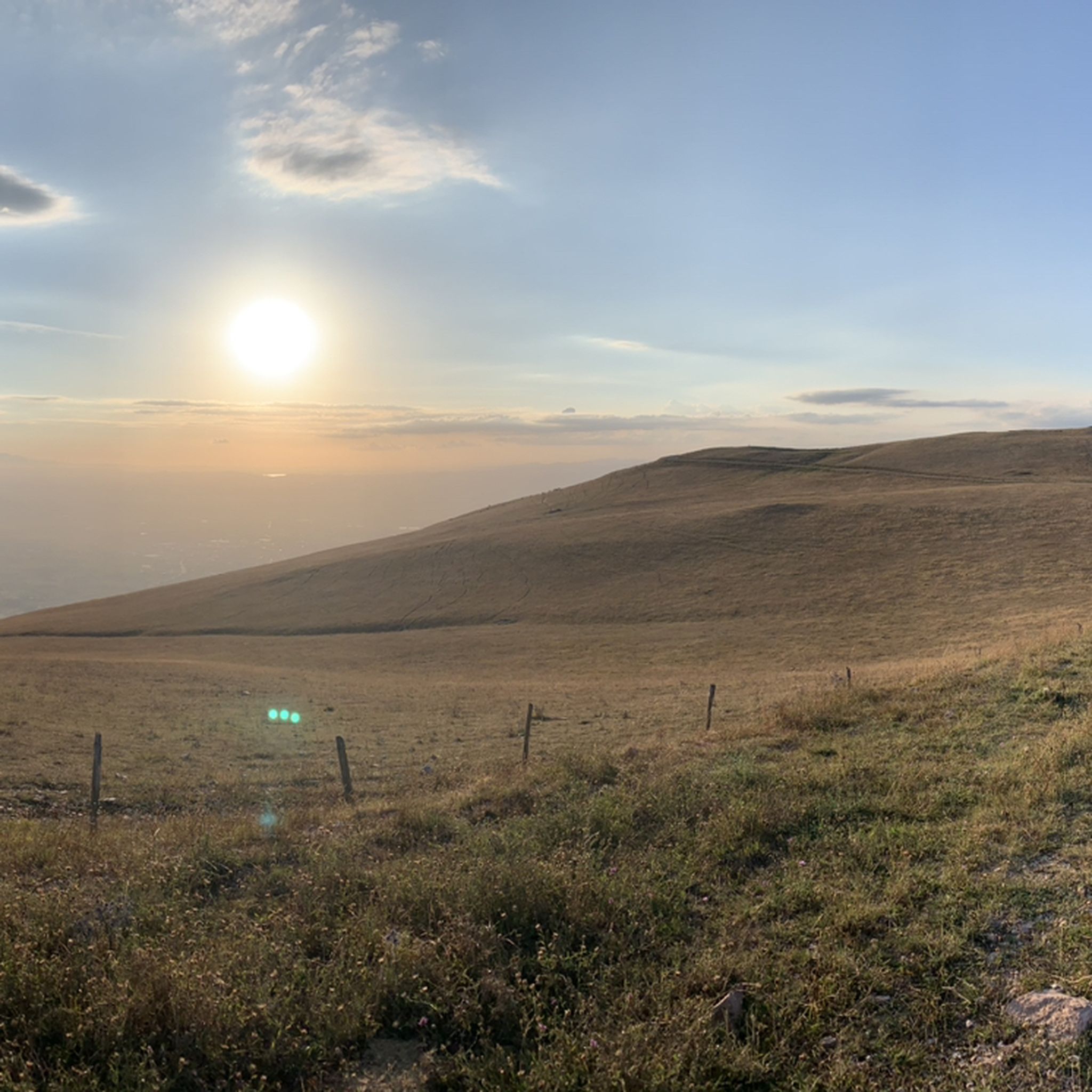
Absolutely. Mount Subasio itself, rising to 1290 meters, offers breathtaking panoramic views of the surrounding valleys. The park is also known for its unique karst phenomena, such as the large natural depressions called 'Mortari'. You'll find extensive prairies, dense oak and holm oak forests, and olive groves throughout the landscape.
What kind of outdoor activities are available near the attractions?
Parco del Monte Subasio is ideal for outdoor enthusiasts. You can find numerous trails for hiking, trekking, and mountain biking. For easy hikes, explore routes like 'The sanctuary city of Assisi – loop tour' or 'Piazza del Comune, Assisi – San Rufino Cathedral loop from Assisi'. Cycling options include routes like 'Assisi – loop tour' or 'Cathedral of San Rufino – Assisi Historic Center loop from Assisi'. For gravel biking, consider 'Stazzi and Monte Subasio – Monte Subasio Summit loop from Assisi'. You can find more details on these activities in the easy hikes, cycling, and gravel biking guides.
Are there family-friendly attractions or activities in the area?
Yes, many attractions are suitable for families. The Historic Center of Assisi and Basilica of Saint Francis are generally family-friendly, offering cultural enrichment. Exploring the charming villages like Spello or Armenzano can also be an enjoyable family outing. The park's numerous easy hiking trails provide opportunities for families to enjoy nature together.
What is the best time of year to visit Parco del Monte Subasio?
The best time to visit Parco del Monte Subasio is generally during spring (April-May) and autumn (September-October). During these seasons, the weather is pleasant for outdoor activities like hiking and cycling, and the landscapes are particularly beautiful with blooming flowers or vibrant fall foliage. Summer can be warm, especially in July and August, but still enjoyable, while winter offers a quieter, often snow-dusted experience.
Can I bring my dog to the attractions and trails?
Many outdoor areas and trails within Parco del Monte Subasio are dog-friendly, allowing you to enjoy hikes with your canine companion. When visiting towns or specific attractions like the Historic Center of Assisi, it's advisable to keep dogs on a leash and check specific venue rules, especially for indoor sites.
What kind of wildlife can I expect to see in Parco del Monte Subasio?
While larger species like wolves are rare, the park is home to a variety of wildlife. You might spot gray partridges, wild cats, squirrels, woodpigeons, magpies, jays, hedgehogs, badgers, foxes, weasels, beech-martens, and wild boars. Birds of prey such as buzzards, goshawks, and horned owls can be found on the eastern side of the mountain.
Are there any less crowded trails or hidden gems in the park?
Beyond the main attractions, the park offers many ancient routes and smaller paths that are less frequented. Exploring the villages like Armenzano or Collepino, or seeking out tiny mountain churches and archaeological remains along the trails, can lead to a more serene experience away from the main tourist hubs. The Eremo delle Carceri, while significant, offers a tranquil atmosphere nestled in a steep forest gorge.
Where can I find information about parking or public transport to access the park?
Assisi serves as a primary gateway to Parco del Monte Subasio. Parking is available in and around Assisi, often requiring a fee, with various car parks located outside the historic center. Public transport, primarily buses, connects Assisi to other towns in Umbria. For specific details on parking and public transport options, it's recommended to check local tourist information or transport websites upon arrival.
What are some unique geological features in the park?
The park is notable for its karst phenomena, including the 'Mortari' – large natural depressions or sinkholes like Mortaro Grande and Mortaro Piccolo. These geological formations were historically used for ice production. Additionally, the Grotta del Subasio is an 18-meter shaft leading to a 30-meter deep cavity, showcasing the mountain's subterranean features. You can also learn more about the mountain's geological history at the Permanent Exhibition of Mount Subasio Geo-Palaeontology at the Ecological Laboratory.
Are there any specific routes for paragliding or hang gliding?
Yes, Monte Subasio is a popular spot for paragliding and hang gliding due to its favorable exposure to air currents. While specific routes aren't detailed here, the higher elevations of the mountain provide excellent launch points for these activities, offering unique aerial views of the Umbrian landscape.
What are the typical durations for walks around Monte Subasio?
Walks around Monte Subasio can vary significantly in duration, from short strolls within the villages to multi-hour hikes. Easy loop tours around Assisi, such as 'The sanctuary city of Assisi – loop tour', can take around 1-2 hours. Longer trails exploring the mountain's slopes might require 3-5 hours or more, depending on the route and your pace. Always check the specific route details for estimated times and difficulty.
Most popular routes around Parco del Monte Subasio
Most popular attractions around Parco del Monte Subasio

Get inspired with the komoot mobile app


Explore more
Still not found the Highlight you’re looking for? See guides of the top attractions in other regions:
