The 5 Most Amazing Peaks in Cap De Creus
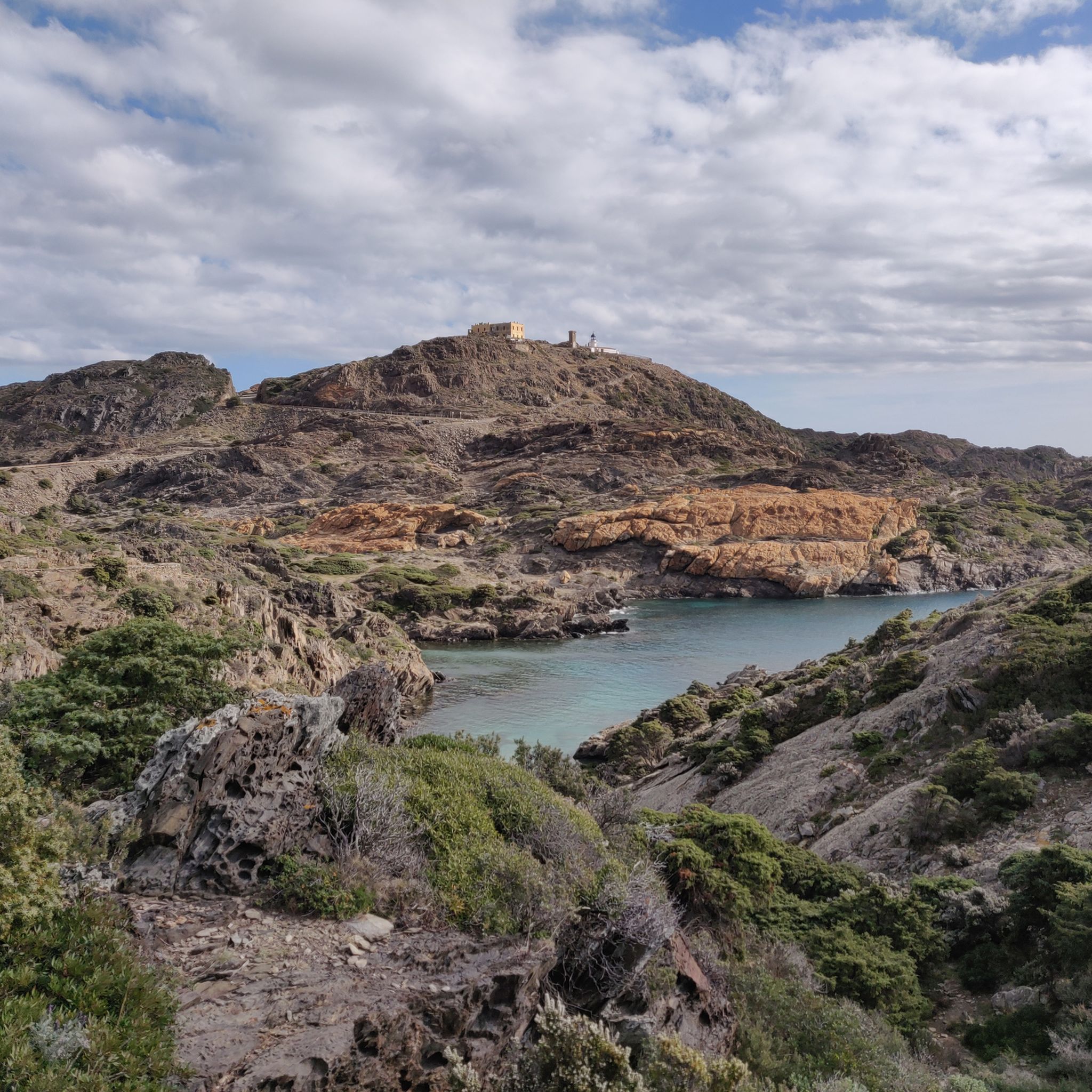
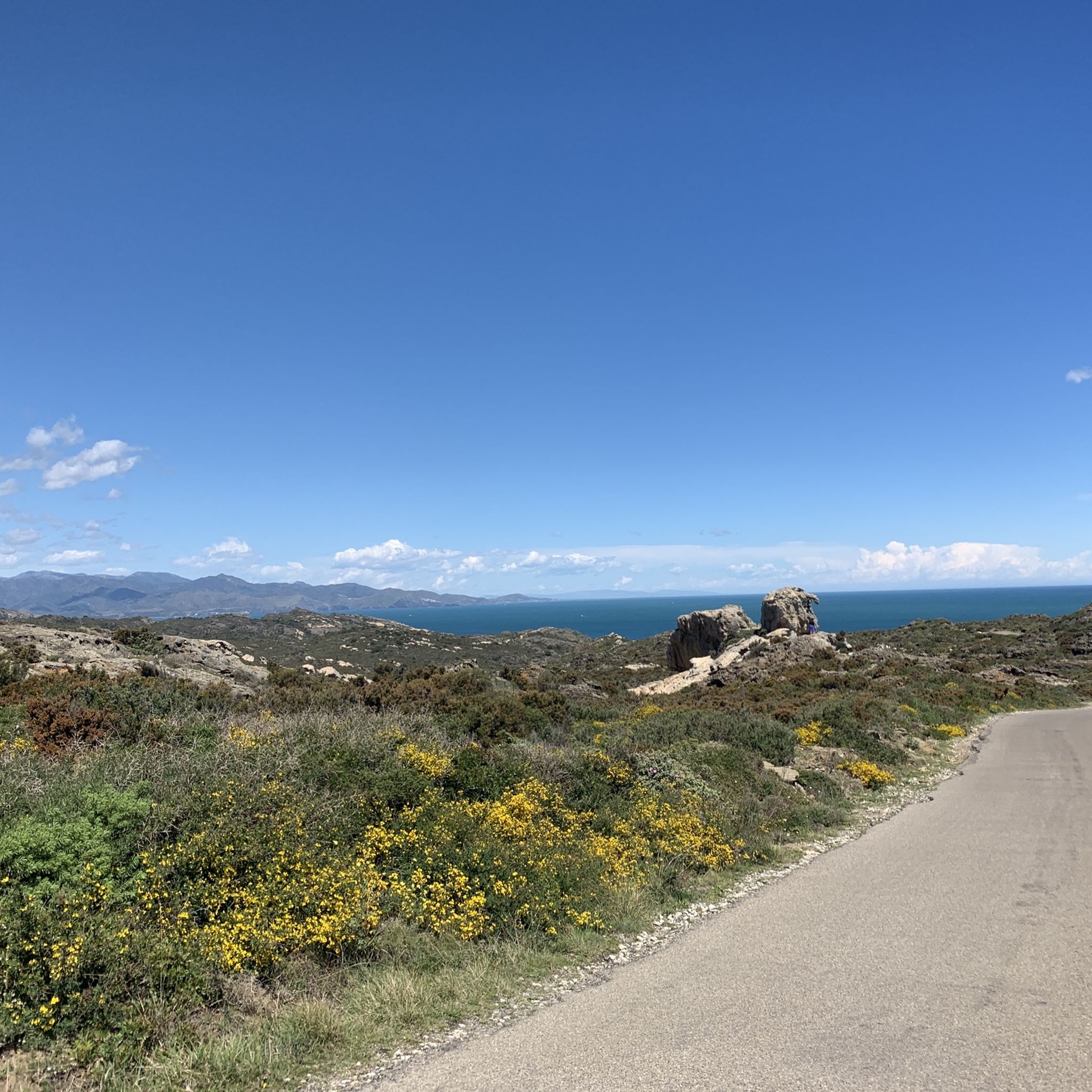
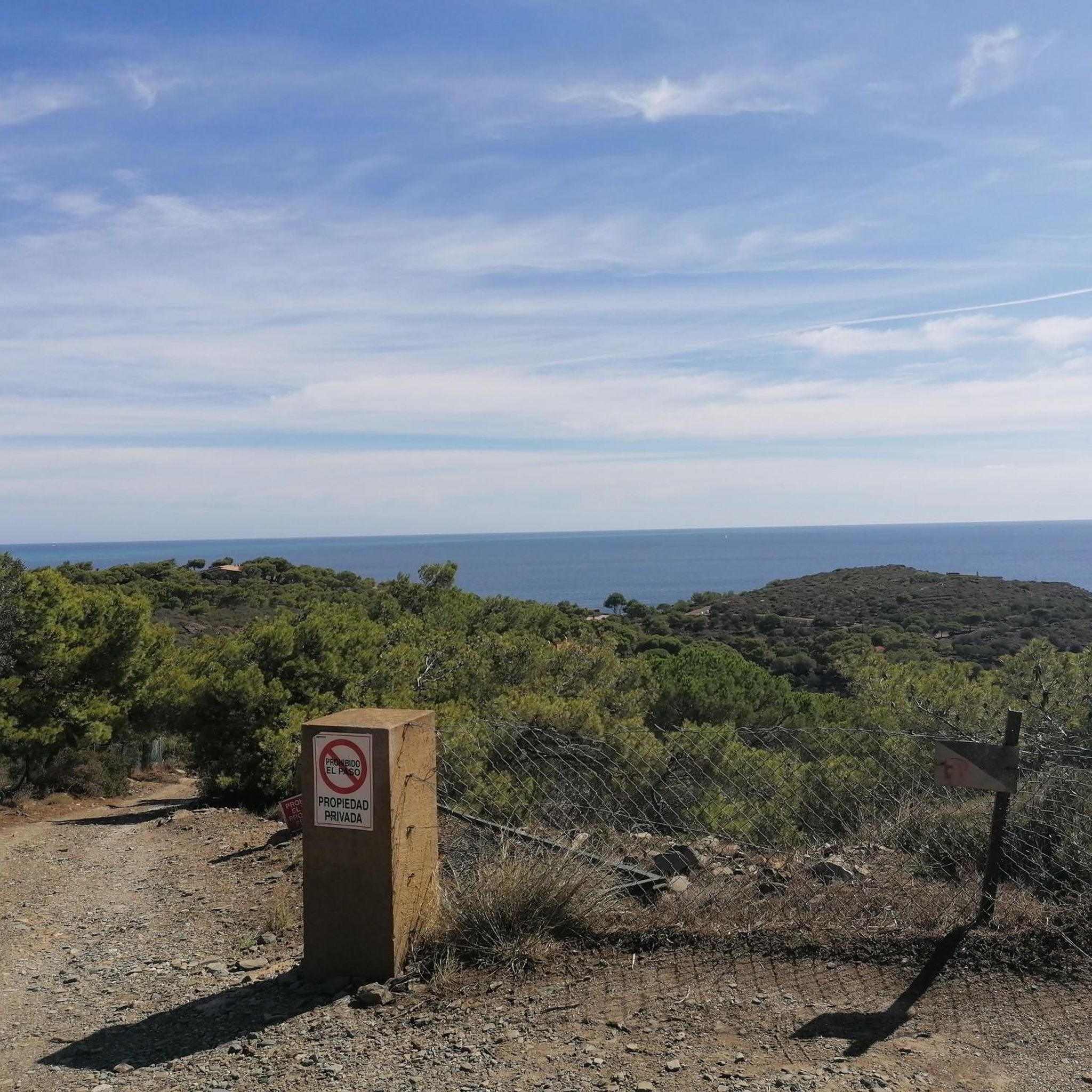
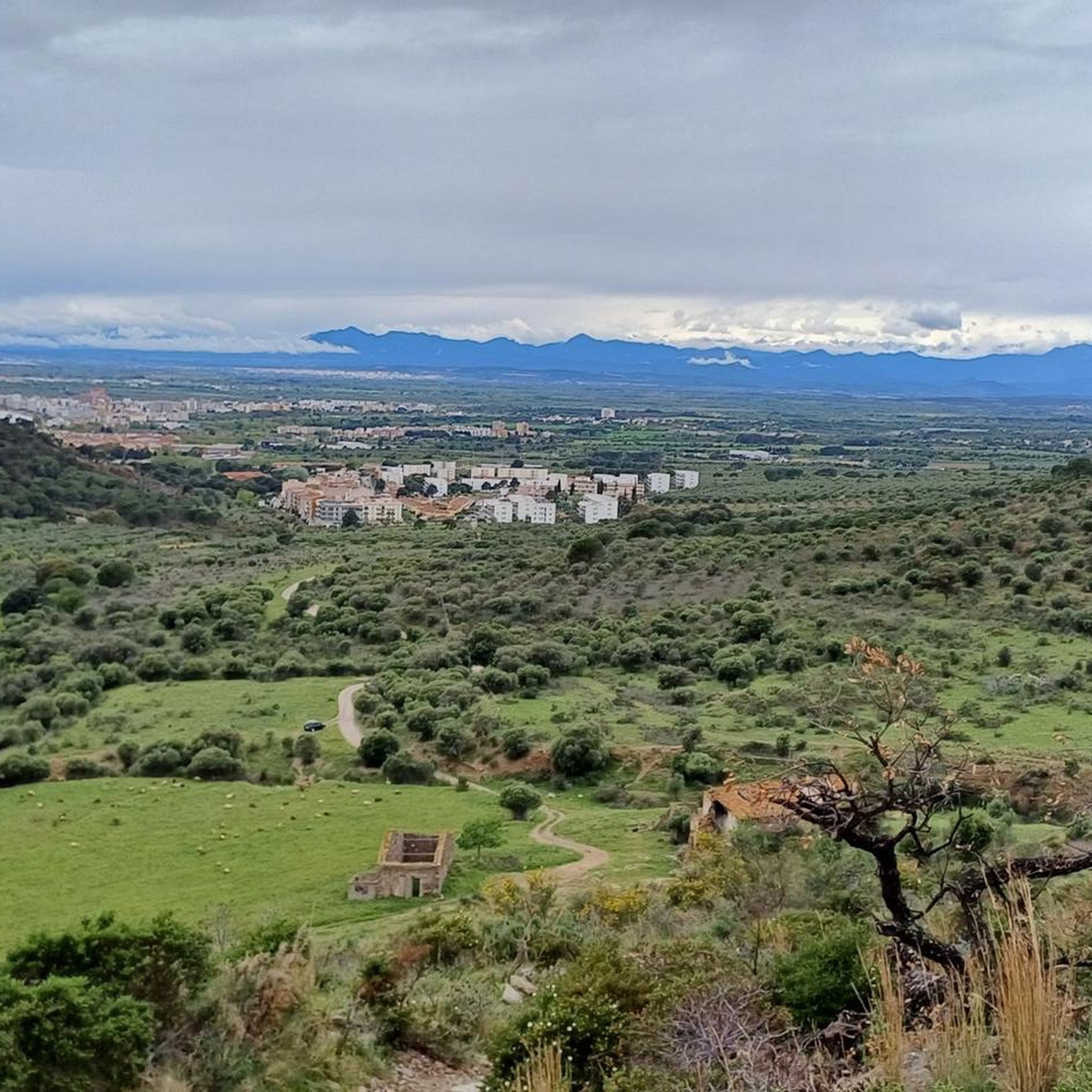
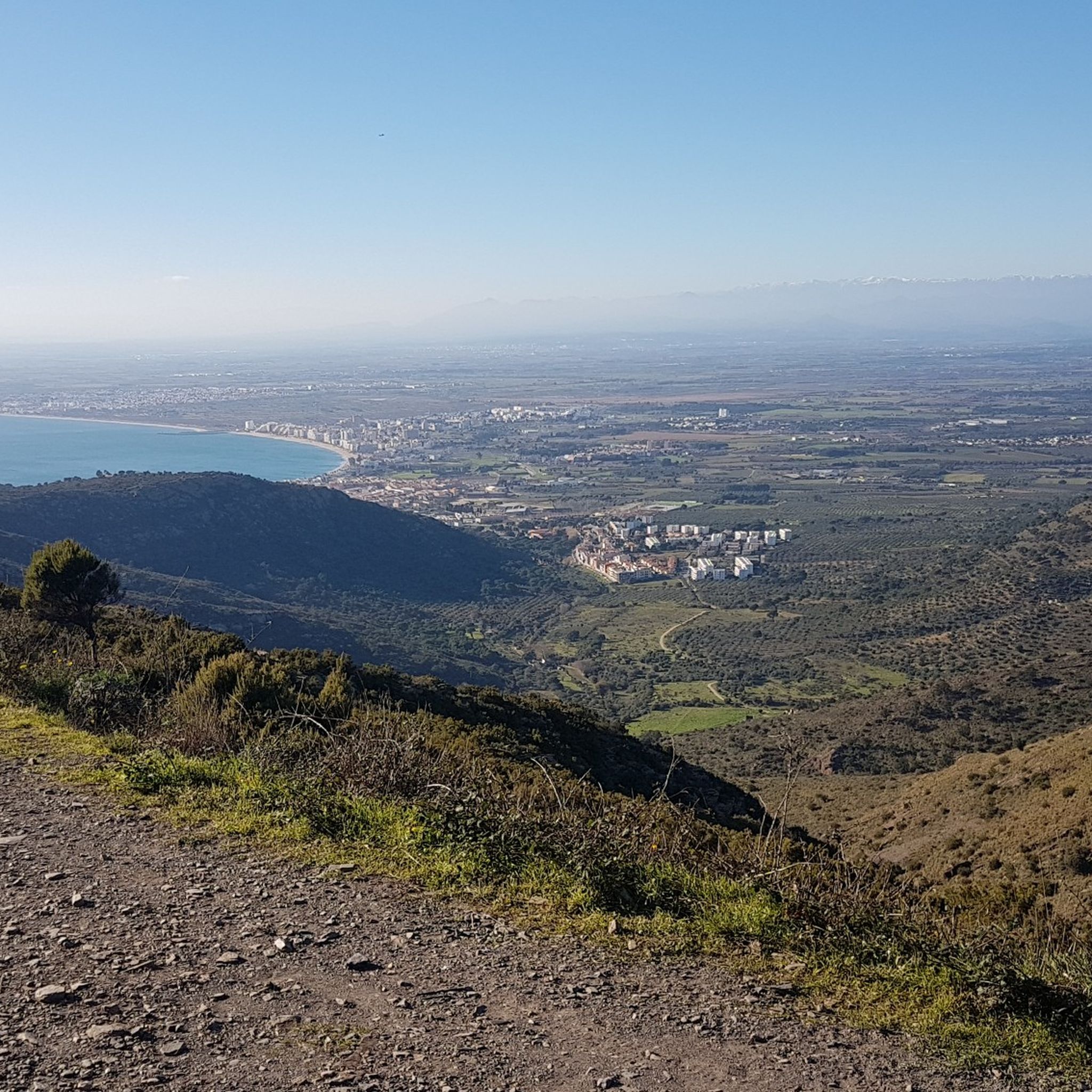
Best mountain peaks in Cap De Creus are found within a rugged peninsula where the Pyrenees meet the Mediterranean Sea. This region is characterized by its hilly terrain, dramatic landscapes, and unique geological formations. Elevated areas and prominent peaks, such as Sant Salvador Saverdera, offer extensive views across the Costa Brava and the Empordà plain. The strong northerly Tramuntana winds have sculpted the terrain, creating a distinctive environment for exploration.
Best mountain peaks in Cap de Creus
- The most popular mountain peaks is Hermitage of Sant Onofre, a religious building located on a plain 400 meters above sea level. It offers spectacular views of the Alto Ampurdán plain, the Bay of Roses, and the Sierra de Rodes.
- Another must-see spot is Puig Alt Summit, a summit offering great 360-degree views of the Cap de Creus landscape. Visitors can expect panoramic vistas of both the north and south slopes of the peninsula.
- Visitors also love Eagle Peak, a challenging summit with continuous changes of view. It is notable for its broad horizons towards the Empordà plain, the Gulf of Roses, and the Pyrenees on clear days.
- Cap De Creus is known for its prominent peaks, elevated areas, and rocky promontories. These range from historical summits with ruins to wild, windswept headlands offering panoramic views.
- The mountain peaks in Cap De Creus are appreciated by the komoot community. With 98 upvotes and 53 photos, the community actively shares their experiences.
Last updated: May 1, 2026
Hermitage of Sant Onofre
Highlight • Religious Site
Period 16th-17th century
Situation Camino de San Onofre.
Located on one of the slopes of the Sierra de Verdera, it can be reached by a narrow path that leaves the village or by a forest path that starts from Mas Ventós on the road to Sant Pere de Roda.
It has been documented since 1362, but the current building must have been built in the seventeenth century. It consists of a single nave covered with a gable roof and a small bell tower. There were hermits from the fifteenth to the nineteenth century. An annual meeting is held on the second Saturday in May.
Translated by Google •
Tip by

Eagle Peak
Highlight • Summit
Translated by Google •
Tip by

Sign up now to discover places like this
Get recommendations on the best single tracks, peaks, & plenty of other exciting outdoor places.
Sign up for free
La Creu de les Palomeres
Highlight • Summit
Translated by Google •
Tip by

Puig Alt Summit
Highlight • Summit
Translated by Google •
Tip by

Puig de sa Cruïlla Peak
Highlight • Summit
Translated by Google •
Tip by

Sign up for free to discover even more peaks in Cap De Creus.
Sign up for free
Already have an account?
Start today with a free account
Your next adventure awaits.
Login or Signup


Tips from the Community

Very good views! The way down to Cadaqués can be done entirely on footpath.
0
0

A route to get started on and above all to look at the weather forecast, if it's windy you won't enjoy it.
2
0


Beautiful views of the Bay of Roses. Moderate path.
0
0

Nice walk between the cork oaks and the olive trees, the return path is easier, good for the knees...
0
0

The Puig de sa Cruïlla is a 322 meter mountain located in the municipality of Cadaqués
0
0
short 50 min (single) mountain hike on very rough terrain. sturdy shoes are necessary.
0
0

The ridge path is VERY rugged. Beware of travel times that are often well above the forecast!
0
0
Frequently Asked Questions
What are the most prominent mountain peaks and elevated areas in Cap de Creus?
The Cap de Creus region features several notable elevated areas. The highest and most prominent is Sant Salvador Saverdera, known for the ruins of Castell de Verdera. The Cap de Creus headland itself, the easternmost point of the Iberian Peninsula, offers dramatic coastal views. Another significant peak is Puig Alt, providing 360-degree views of the landscape. Additionally, the Hermitage of Sant Onofre is a popular elevated spot with spectacular views.
What unique geological features can I expect to see in the Cap de Creus mountains?
Cap de Creus is renowned for its unique geology, shaped by ancient rocks, schist, and distinctive orange pegmatite formations. The powerful northerly "Tramuntana" winds have sculpted surreal rock formations, some resembling animals, such as the eagle of Pla de Tudela or the lion of Cap Gros. The Cova de s'Infern (Cove of Hell) near the Cap de Creus lighthouse is another unique rock formation with a natural swimming pool.
Are there historical sites or cultural landmarks associated with the mountain peaks in Cap de Creus?
Yes, history is deeply embedded in the Cap de Creus peaks. At the summit of Sant Salvador Saverdera, you'll find the ruins of Castell de Verdera, a medieval castle dating back to the 9th century. A common route to Sant Salvador Saverdera involves a walk from the nearby Monastery of Sant Pere de Rodes, itself a significant historical site. The Hermitage of Sant Onofre is another historical religious building located on a plain 400 meters above sea level.
What kind of views can I expect from the mountain peaks in Cap de Creus?
The peaks in Cap de Creus offer breathtaking panoramic views. From Sant Salvador Saverdera, you can enjoy 360-degree vistas of the Costa Brava, the Mediterranean Sea, the Gulf of Roses, the Empordà plain, and even the eastern Pyrenees. Puig Alt Summit also provides fantastic 360-degree views of both the north and south slopes of the peninsula. From Eagle Peak, you'll see broad horizons towards the Empordà plain, the Gulf of Roses, and the northern coast.
What is the difficulty level for hiking these mountain peaks?
The difficulty varies. The hike to Sant Salvador Saverdera is generally considered relatively easy, especially when starting from the Monastery of Sant Pere de Rodes. The ascent to Puig Alt is described as short and pleasant, making it accessible for many. However, some routes, like the ridge path to La Creu de les Palomeres, can be very rugged and challenging, requiring careful planning for travel times. Eagle Peak is also considered a challenging summit.
Are there family-friendly options for exploring the elevated areas in Cap de Creus?
While specific family-friendly trails aren't explicitly designated for all peaks, the 'relatively easy' hike to Sant Salvador Saverdera and the 'short and pleasant' ascent to Puig Alt could be suitable for families with older children or those accustomed to hiking. These offer rewarding views without extreme difficulty. Always check current conditions and choose routes appropriate for your family's fitness level.
What outdoor activities can I do near the mountain peaks in Cap de Creus?
Beyond hiking, the Cap de Creus area offers various outdoor activities. You can explore numerous cycling routes, including road cycling and gravel biking. For road cycling, consider routes like the "Cadaqués – Monastery of Sant Pere de Rodes loop" or the "Cadaqués – El Port de la Selva loop." Gravel biking options include the "Excellent gravel path – Canadell Pass loop" or the "View of Cadaqués – Cadaqués loop." You can find more details on these and other routes in the Road Cycling Routes in Cap De Creus, Gravel biking in Cap De Creus, and Cycling in Cap De Creus guides.
What is the best time of year to visit Cap de Creus for hiking the peaks?
While there's no single 'best' time, spring and autumn generally offer pleasant temperatures for hiking. Summer can be very hot, and the region is known for strong northerly "Tramuntana" winds, which can reach hurricane force, especially on the Cap de Creus headland. It's always advisable to check the weather forecast, particularly for wind conditions, before planning your hike.
What do visitors enjoy most about the mountain peaks in Cap de Creus?
Visitors consistently praise the unparalleled panoramic views, especially from Sant Salvador Saverdera and Puig Alt. The unique, wild, and windswept landscapes, which inspired Salvador Dalí, are a major draw. The opportunity to combine hiking with exploring historical ruins like Castell de Verdera or the Hermitage of Sant Onofre is also highly valued. The continuous changes of view and broad horizons from ridges like Eagle Peak are frequently highlighted.
Are there any specific tips for hiking in the Cap de Creus mountains?
When hiking in Cap de Creus, be prepared for varied terrain. Some paths can be rugged, so sturdy footwear is essential. Given the strong Tramuntana winds, especially on exposed ridges and the Cap de Creus headland, it's crucial to check the weather forecast before setting out. Always carry enough water, as the landscape can be barren, and shade might be limited. If you plan to visit La Creu de les Palomeres, be aware that the ridge path is very rugged and travel times can be longer than anticipated.
Can I combine a visit to the peaks with other attractions in the Cap de Creus Natural Park?
Absolutely. Many visitors combine hikes to the peaks with other attractions. For example, a hike to Sant Salvador Saverdera can start from the historic Monastery of Sant Pere de Rodes. The Cap de Creus headland offers the iconic lighthouse and the Cova de s'Infern. Puig Alt can be combined with visits to nearby megalithic burial grounds. The entire region is part of the Cap de Creus Natural Park, offering diverse landscapes and coastal exploration opportunities.
Most popular routes in Cap De Creus
Most popular attractions in Cap De Creus

Get inspired with the komoot mobile app


Explore more
See even more amazing summits in Cap De Creus with these guides:
