Attractions and Places To See around La Selva De Mar - Top 20
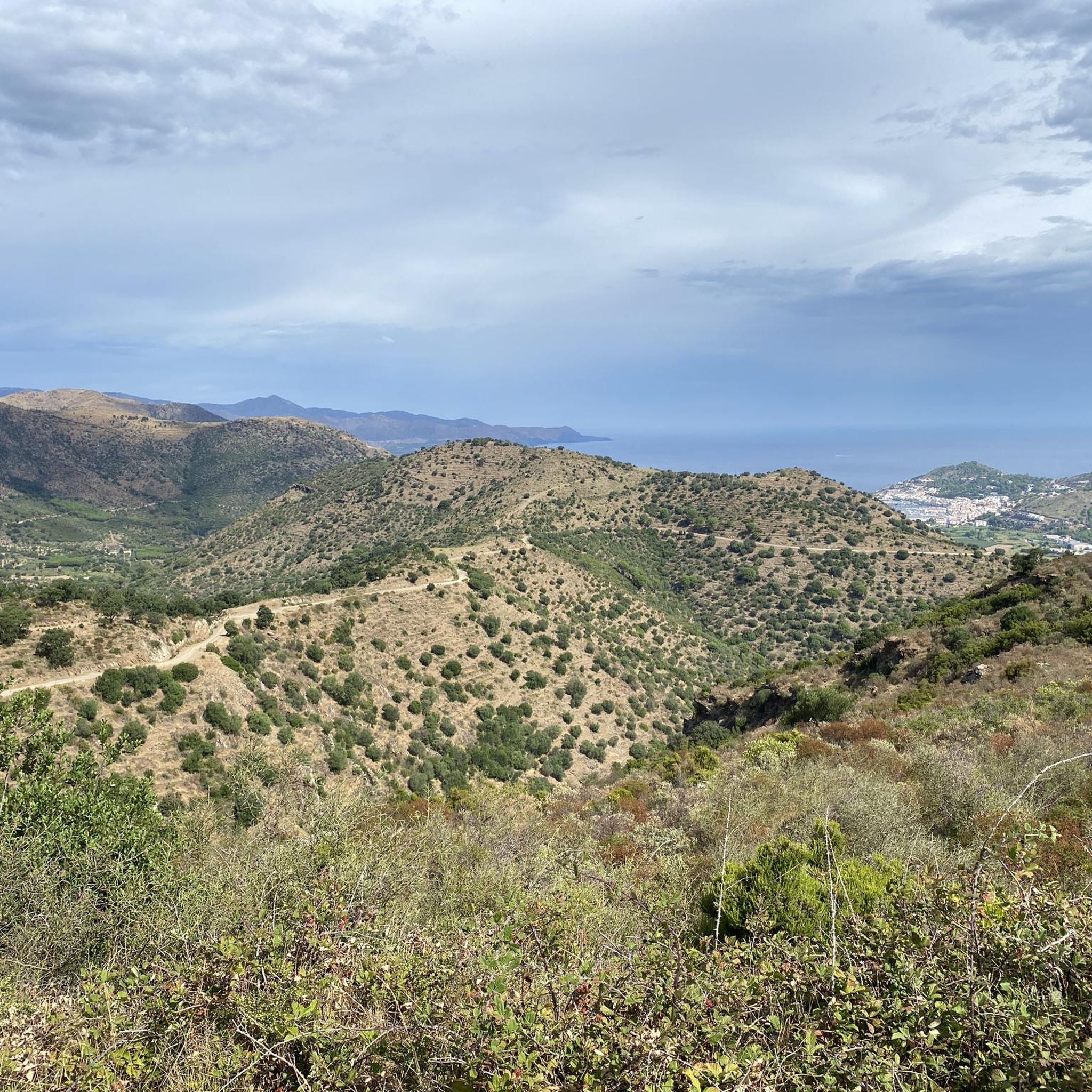
Best attractions and places to see around La Selva De Mar are situated within the Alt Empordà comarca of Catalonia, Spain, and are integrated into the Cap de Creus Natural Park. This region features a diverse landscape of abandoned olive groves, pine and cork oak forests, and unique geological formations including steep cliffs and coves. The village itself preserves a rich architectural heritage, offering a blend of natural and cultural exploration opportunities. The Serralada de Verdera mountain range also contributes…
Last updated: July 6, 2026
Basilica of Santa Maria, Castelló d'Empúries
Highlight • Religious Site
Translated by Google •
Tip by

Cap de Creus Lighthouse
Highlight • Monument
Formerly, the tower served to guard …
Translated by Google •
Tip by

Sign up now to discover places like this
Get recommendations on the best single tracks, peaks, & plenty of other exciting outdoor places.
Sign up for free
Sant Pere de Rodes Monastery
Highlight • Religious Site
Translated by Google •
Tip by

Lledó Cove
Highlight • Beach
Showing Translation
Tip by

Views of the Empuriabrava canal
Highlight • Viewpoint
Translated by Google •
Tip by

Sign up for free to discover even more attractions around La Selva De Mar.
Sign up for free
Already have an account?
Start today with a free account
Your next adventure awaits.
Login or Signup

Tips from the Community

Cala del Lledó, also known as Cala de la Font del Lledó, is a bay in the municipality of Roses. It consists mainly of boulders and pebbles and is characterized by moderate waves and strong winds. Cala del Lledó is located at the foot of a cliff. The Cala del Lledó is located in the Cap de Creus Natural Park. It is usually not very busy; even in high season, no more than 30% of the bay is occupied. This is probably due to its remote and difficult-to-access location.
3
0

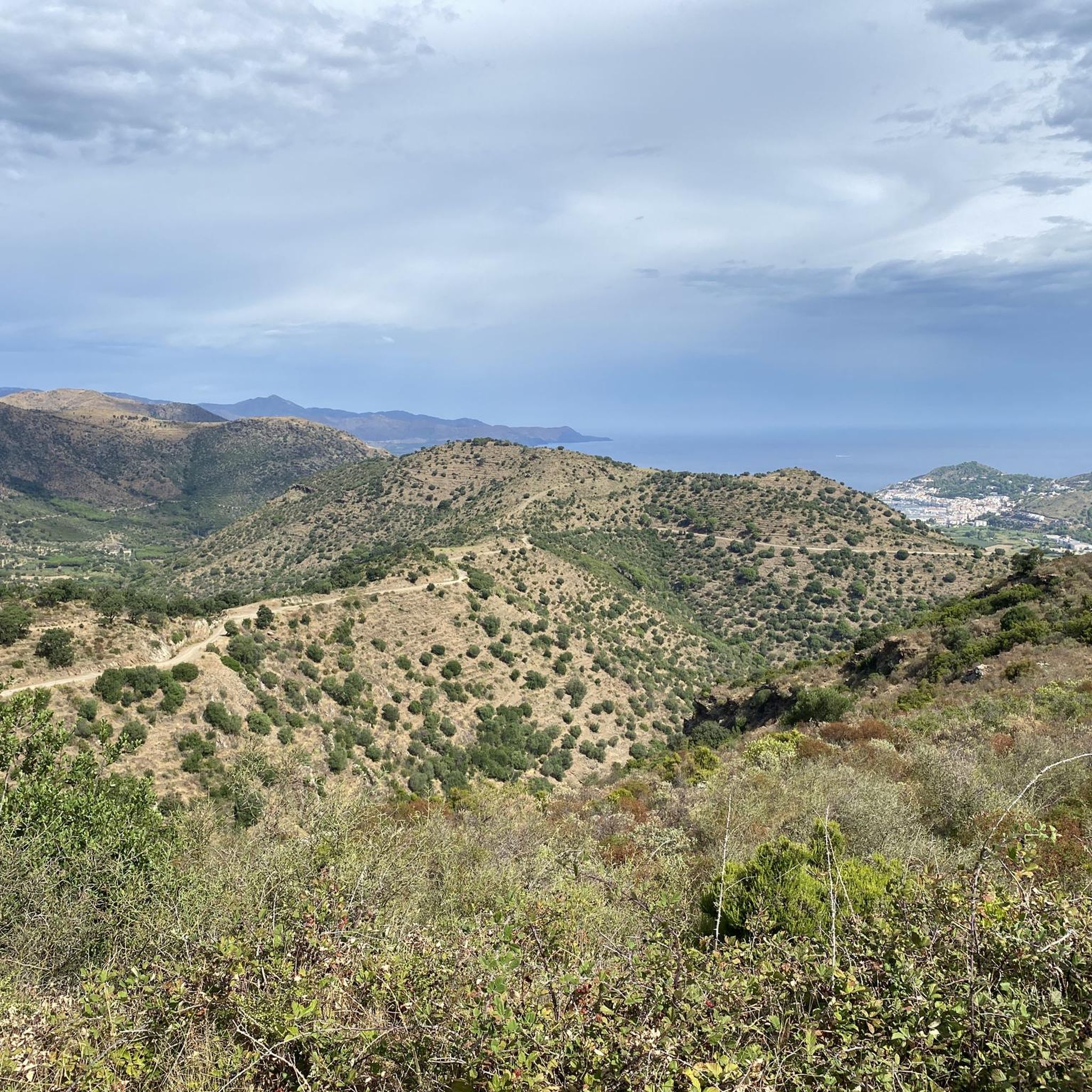
Super nice view of the sea and the national park
0
0

You have to visit this place with your bike.
1
0

The medieval past of Empúries can be seen the moment you set foot on the most central streets of this town close to the coast. It is worth crossing the old part of the nucleus!
0
0

The action of tectonic plates and erosive phenomena have shaped Cap de Creus over the millennia. Winds, rain, and the sea have carved cliffs, coves, and caves that seem straight out of an adventure story. https://www.youtube.com/watch?v=ISTUD-0ctdA The Cap de Creus lighthouse was inaugurated - as the plaque still above its door says - in 1853 (although, as can be assumed, the lighting system has undergone several changes since then). It was part of the wave of lighthouse inaugurations that occurred in Spain in the mid-19th century to try to put the country in a similar situation to what other countries already had at that time regarding maritime lighting.
3
0

Beautiful view. There is also a café where you can take a break.
0
0

Admission moderate (no 20€ for 2 adults and 2 children). The wifi key and a QR code hang at the entrance. This means that one cell phone can be used as an audio guide for the whole family :)
5
2

Worth seeing despite admission.
1
0
Frequently Asked Questions
What historical and cultural sites can I explore in La Selva de Mar?
La Selva de Mar is rich in history and culture. A prominent site is the Sant Pere de Rodes Monastery, a significant example of Catalan Romanesque architecture offering exceptional views. You can also visit the Cap de Creus Lighthouse, which has historical significance as a former watchtower. The village itself preserves a rich architectural past, including five defense towers, remnants of a medieval water mill, and historic mill bridges. The churches of Sant Esteve and San Sebastián, along with the Trull Museum, also offer insights into the area's heritage.
What natural features define the landscape around La Selva de Mar?
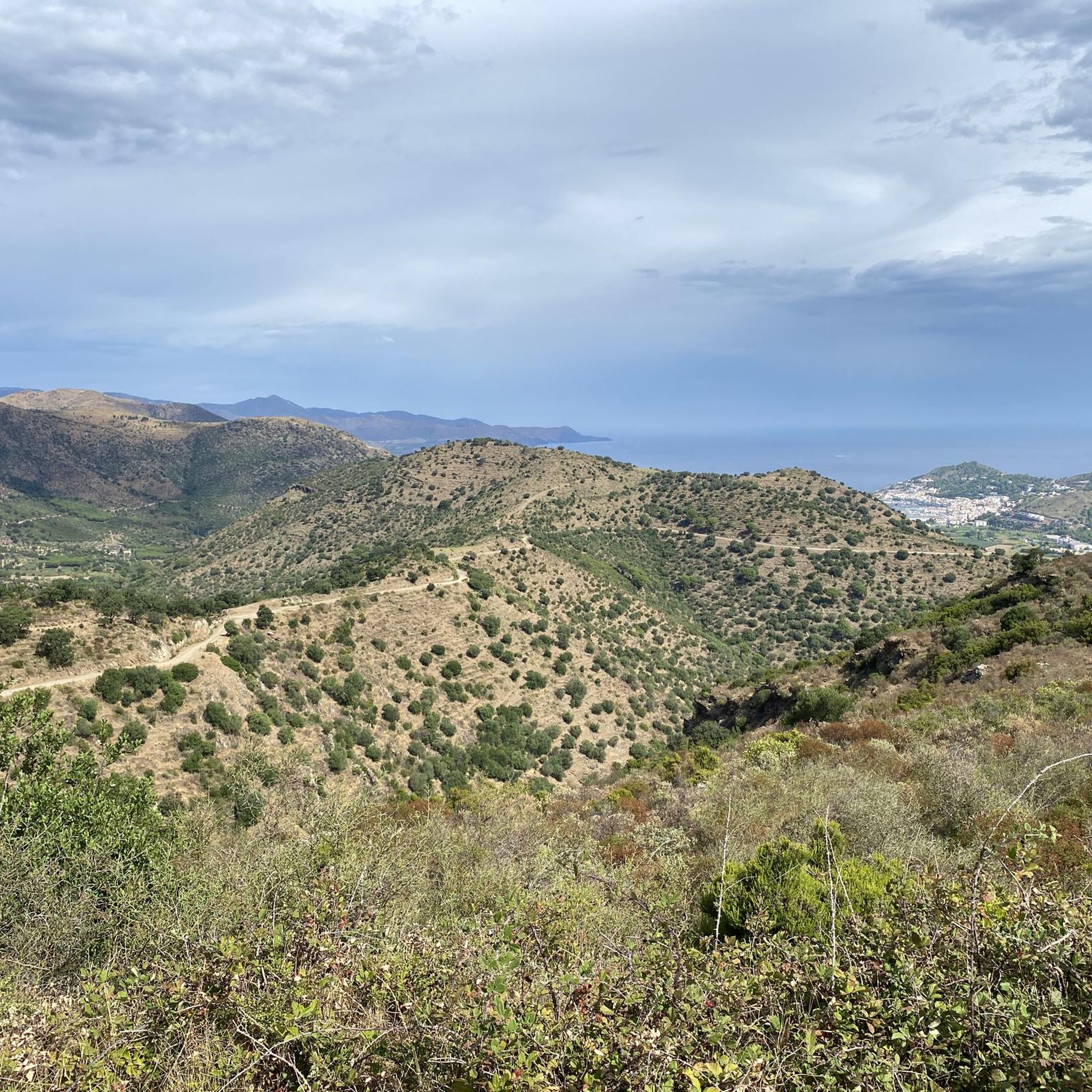
The landscape around La Selva de Mar is largely defined by its integration into the Cap de Creus Natural Park. This park is renowned for its unique geological formations, including steep cliffs and coves sculpted by tectonic forces and erosion. You'll find diverse landscapes with abandoned olive groves, pine, and cork oak forests. The Serralada de Verdera mountain range, with peaks like Sant Salvador, also contributes to the area's distinct character. The Riera de la Selva river and the Font dels Lledoners spring are notable local natural elements.
Are there any unique coves or beaches to discover near La Selva de Mar?
Yes, within the Cap de Creus Natural Park, you can discover Lledó Cove. This secluded cove is notable for its pristine natural environment, composed primarily of boulders and pebbles. It was once a marble quarry, and you can still see a visible loading ramp, adding a historical touch to its natural beauty.
What outdoor activities are popular near La Selva de Mar?
La Selva de Mar is an ideal destination for outdoor enthusiasts. The area offers numerous trails for hiking, road cycling, and running. You can explore hidden natural treasures and coastal routes. For specific routes, you can find options like the 'Monastery of Sant Pere de Rodes loop' for hiking, or 'Frare Pass (202 m) – View of Portbou loop' for road cycling. More details on these activities can be found in the respective guides: Hiking around La Selva De Mar, Road Cycling Routes around La Selva De Mar, and Running Trails around La Selva De Mar.
Are there family-friendly attractions around La Selva de Mar?
Yes, several attractions are suitable for families. The Cap de Creus Lighthouse is considered family-friendly and offers spectacular panoramic views. The Basilica of Santa Maria in Castelló d'Empúries is also listed as family-friendly, and the views of the Empuriabrava canal are an interesting sight for all ages.
What is the best time to visit La Selva de Mar for outdoor activities?
While specific data on the best time to visit isn't provided, the region's Mediterranean climate generally makes spring and autumn ideal for outdoor activities like hiking and cycling, offering pleasant temperatures. Summers can be warm, and the Riera de la Selva river, for example, is typically dry during this season. Visiting outside of peak summer can also offer a more tranquil experience.
What is special about the <a href="https://www.komoot.com/highlight/321310" target="_blank" rel="noopener">Sant Pere de Rodes Monastery</a>?
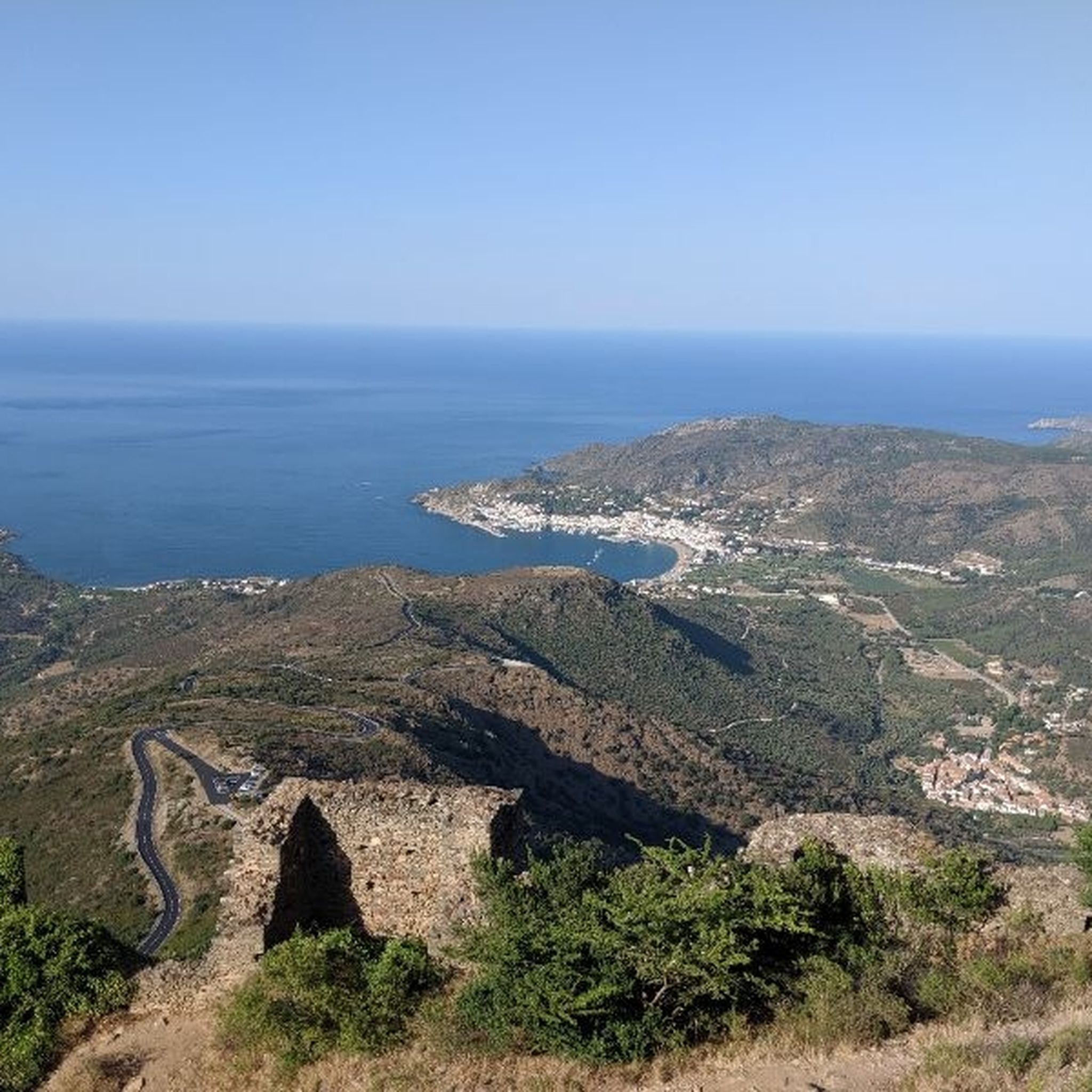
The Sant Pere de Rodes Monastery is a prominent Benedictine monastery and a significant example of Catalan Romanesque architecture. It is situated under the ruins of the castle of San Salvador de Verdera and offers exceptional views over the bays of Llançà and Port de la Selva within the Cap de Creus Natural Park. Its construction dates back to the end of the 10th century, and it was a major spiritual, political, and economic power in the region during the medieval period.
Can I find places to eat near the attractions?
Yes, for example, the Cap de Creus Lighthouse features a restaurant serving typical Catalan cuisine, allowing you to enjoy a meal with panoramic views. The village of La Selva de Mar itself also has cafes and pubs, and nearby Castelló d'Empúries offers nice tapas bars.
What kind of hiking trails are available around La Selva de Mar?
The area offers a variety of hiking trails, ranging in difficulty. For instance, you can find an 'easy' trail like the 'Sant Sebastià Church – Torre de la Plaça loop' which is about 6 km. There are also 'moderate' trails, such as the 'Monastery of Sant Pere de Rodes loop' (around 5 km), and more 'difficult' options like 'La Creu de les Palomeres – Sant Pere de Rodes Monastery loop' (over 10 km). These trails allow you to explore the natural park and historical sites. For more details, refer to the Hiking around La Selva De Mar guide.
What is the <a href="https://www.komoot.com/highlight/70176" target="_blank" rel="noopener">Cap de Creus Lighthouse</a> known for?
The Cap de Creus Lighthouse is known for being located at the easternmost point of the Iberian Peninsula, offering spectacular panoramic vistas. Established in 1853, it has a rich history, originally serving as a watchtower against piracy. Beyond its historical significance and views, it also features a restaurant where visitors can enjoy local Catalan cuisine.
Are there any viewpoints offering scenic panoramas?
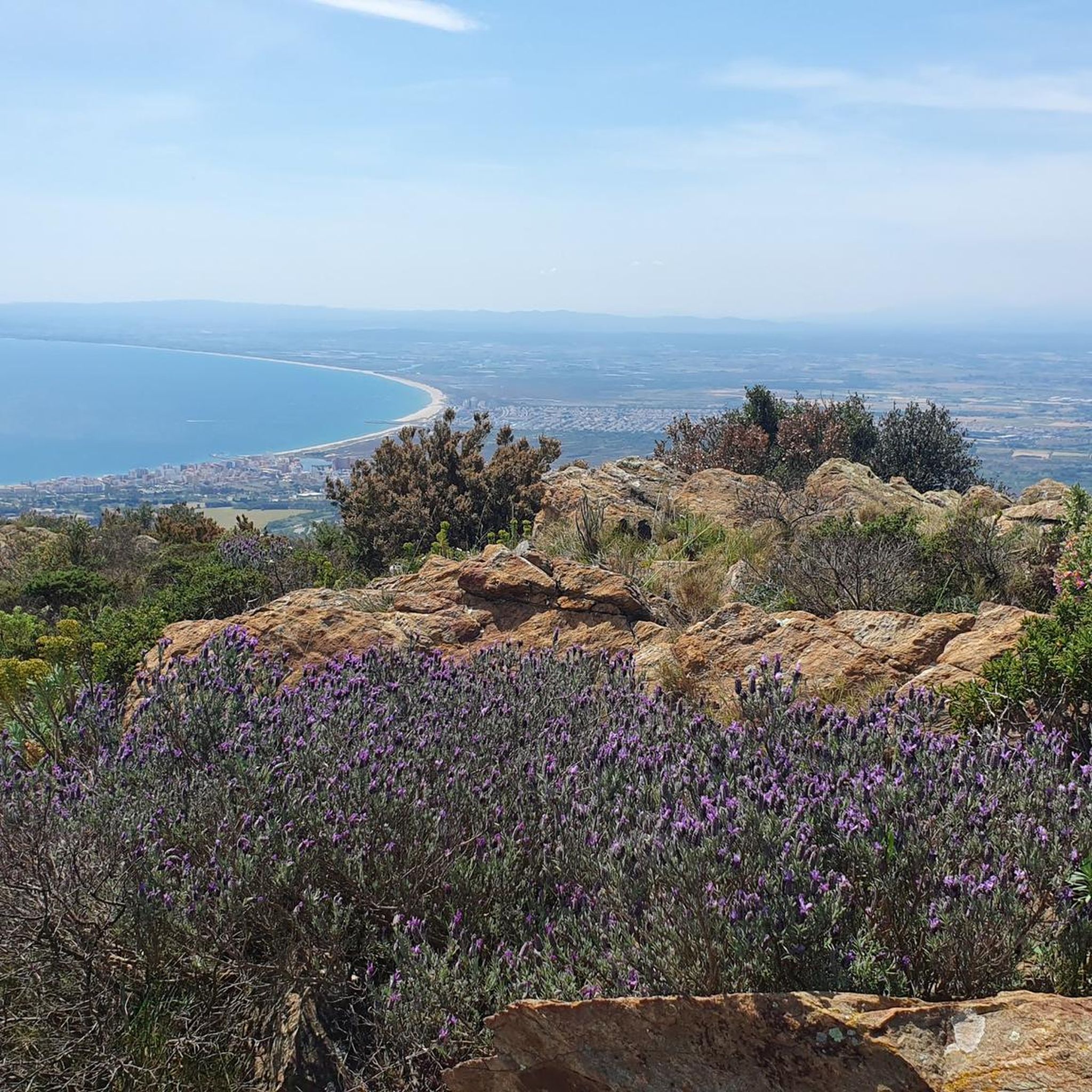
Absolutely. The Cap de Creus Lighthouse is a prime viewpoint, offering spectacular panoramic vistas from the easternmost point of the Iberian Peninsula. The Sant Pere de Rodes Monastery also provides exceptional views over the bays of Llançà and Port de la Selva. Additionally, you can find scenic views of the Empuriabrava canal, which is considered the largest residential marina in the world.
What is the architectural heritage of La Selva de Mar village?
La Selva de Mar village boasts a rich architectural heritage. It features five defense towers, which are remnants of its medieval past. You can also find the remains of a medieval water mill, a hackberry fountain, historic mill bridges, and a wash house. The buildings often showcase facades made with unworked stones, and the area is crisscrossed by old dry stone paths, reflecting centuries of history and traditional construction.
What is the significance of the Cap de Creus Natural Park to La Selva de Mar?
La Selva de Mar is an integral part of the Cap de Creus Natural Park. This park significantly enriches the region's landscape with its unique geological formations, including steep cliffs and coves. It provides a diverse environment of abandoned olive groves, pine, and cork oak forests. The park's protected status ensures the preservation of its natural beauty and offers numerous opportunities for outdoor activities and exploration, making it a cornerstone of the area's appeal.
Most popular routes around La Selva De Mar
Most popular attractions around La Selva De Mar

Get inspired with the komoot mobile app


Explore more
Still not found the Highlight you’re looking for? See guides of the top attractions in other regions:
