Parc Natural del Montgrí, les Illes Medes i el Baix Ter
Parc Natural del Montgrí, les Illes Medes i el Baix Ter
Attractions and Places To See around Parc Natural del Montgrí, les Illes Medes i el Baix Ter - Top 20
Attractions and places to see around Parc Natural del Montgrí, les Illes Medes i el Baix Ter are located in the province of Girona, Catalonia, Spain. This natural park unifies three distinct areas: the Montgrí Massif, the Medes Islands, and the mouth of the Ter River. The region offers a diverse landscape where mountains, beaches, and wetlands converge. It features a world-renowned marine reserve, limestone formations, and significant wetlands that serve as refuges for various bird species.
Best attractions and…
Last updated: May 9, 2026
Montgrí Castle
Highlight • Castle
Translated by Google •
Tip by

Montplà Summit
Highlight • Summit
Translated by Google •
Tip by

Sign up now to discover places like this
Get recommendations on the best single tracks, peaks, & plenty of other exciting outdoor places.
Sign up for free
Hermitage of Saint Catherine
Highlight • Religious Site
Translated by Google •
Tip by
Santa Maria del Palau Archaeological Site
Highlight • Historical Site
Translated by Google •
Tip by

Pedrosa Cove
Highlight • Beach
Tip by

Sign up for free to discover even more attractions around Parc Natural del Montgrí, les Illes Medes i el Baix Ter.
Sign up for free
Already have an account?
Start today with a free account
Your next adventure awaits.
Login or Signup
Popular around Parc Natural del Montgrí, les Illes Medes i el Baix Ter
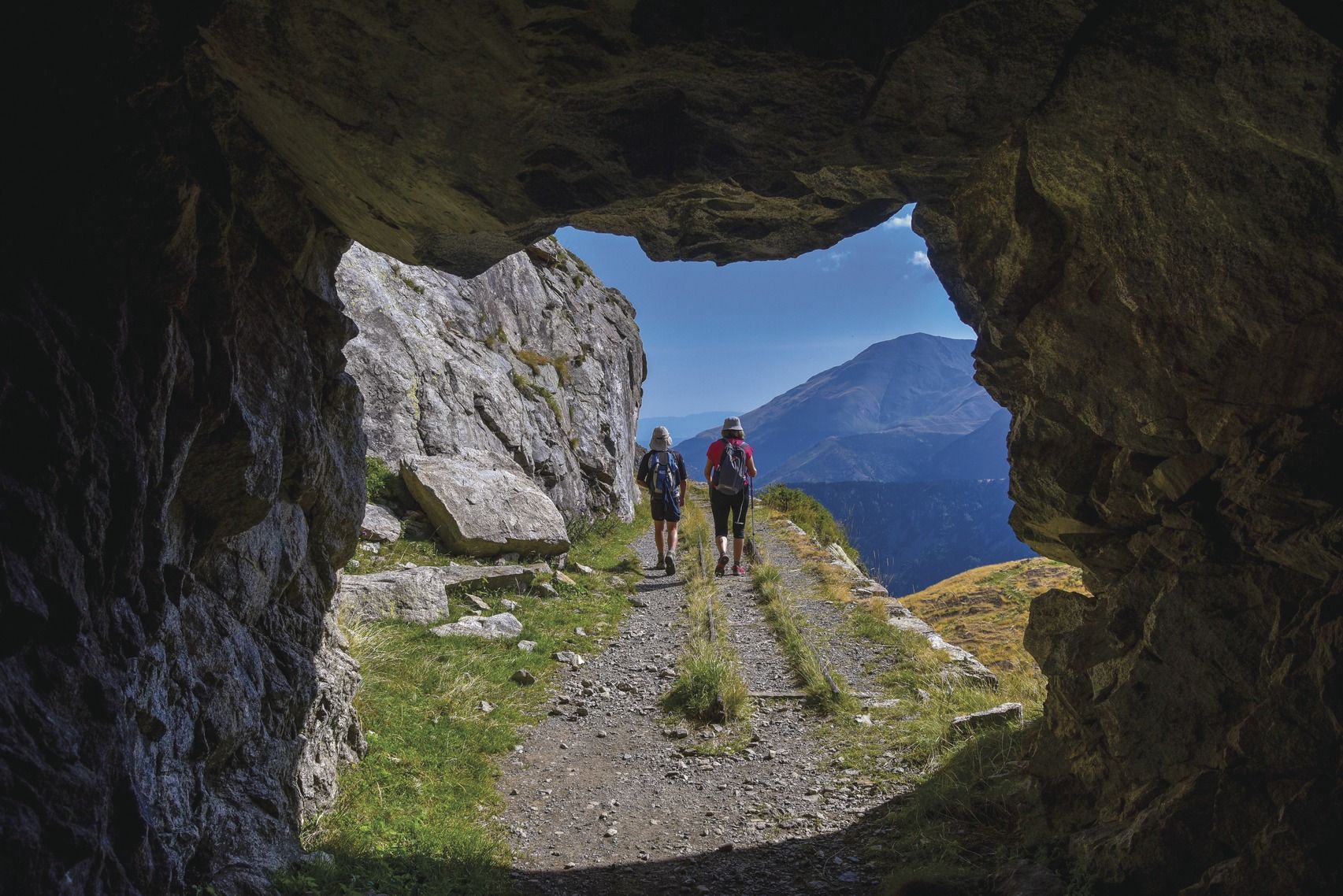
Six spectacular circular tours to discover Catalonia
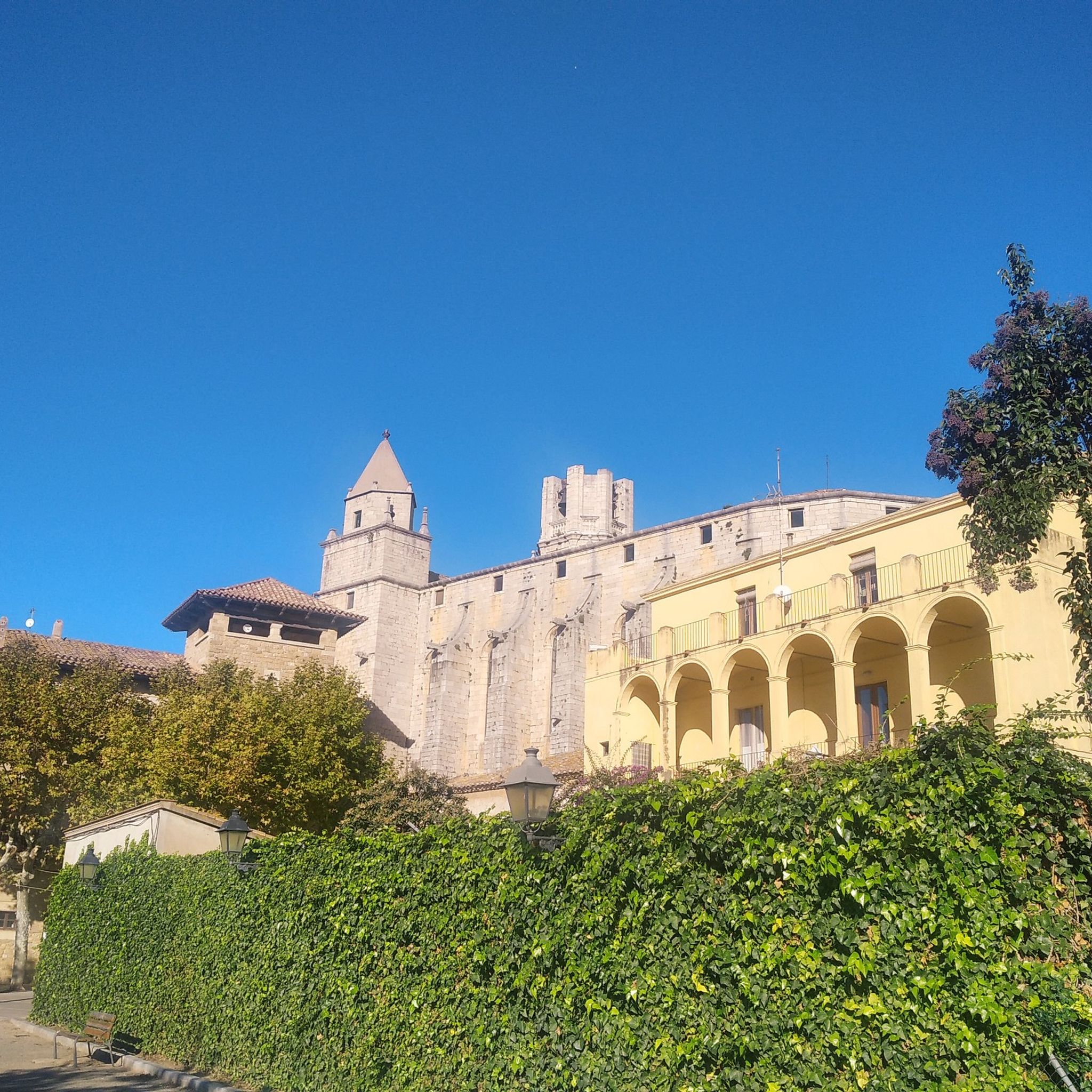
Hiking around Parc Natural del Montgrí, les Illes Medes i el Baix Ter
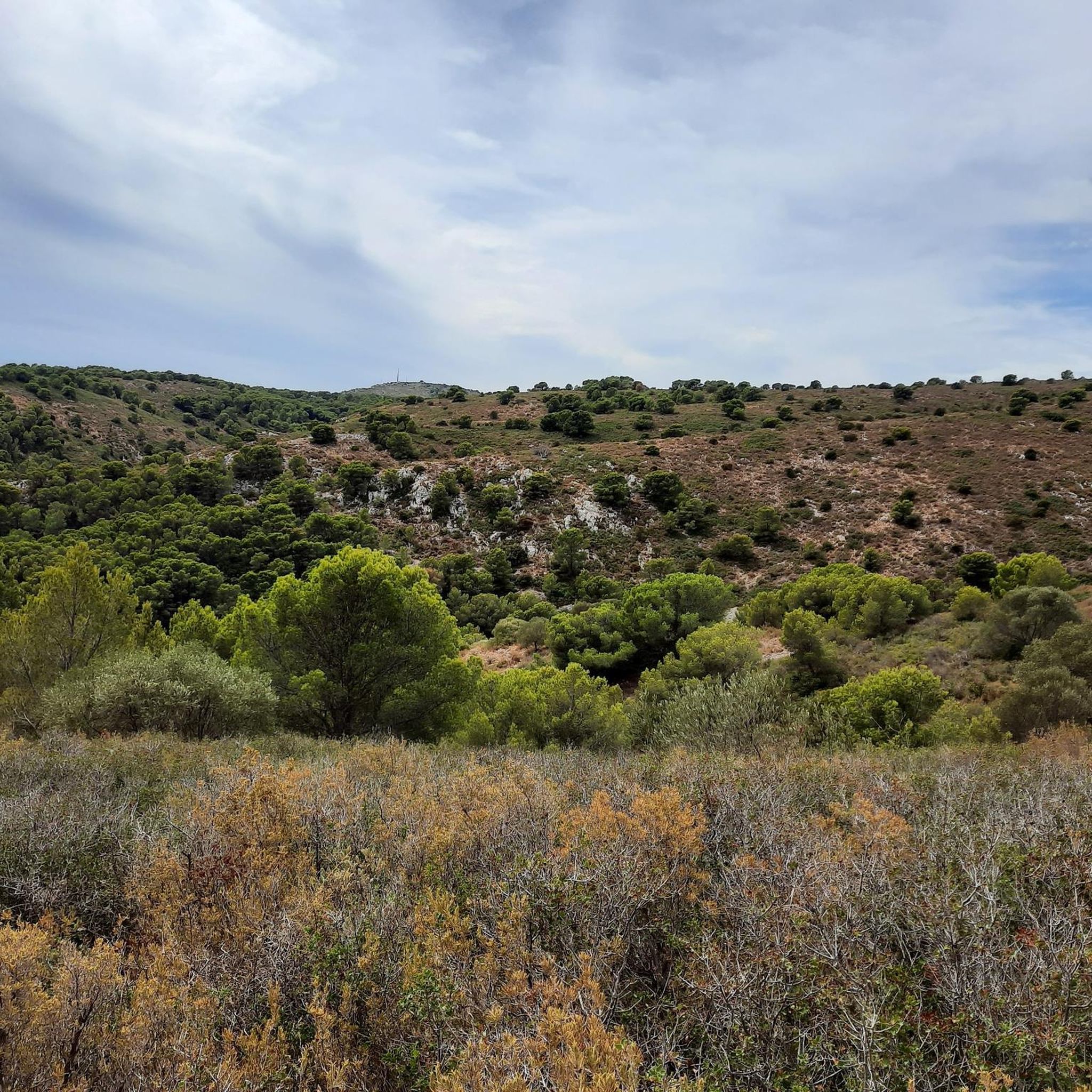
Running Trails around Parc Natural del Montgrí, les Illes Medes i el Baix Ter
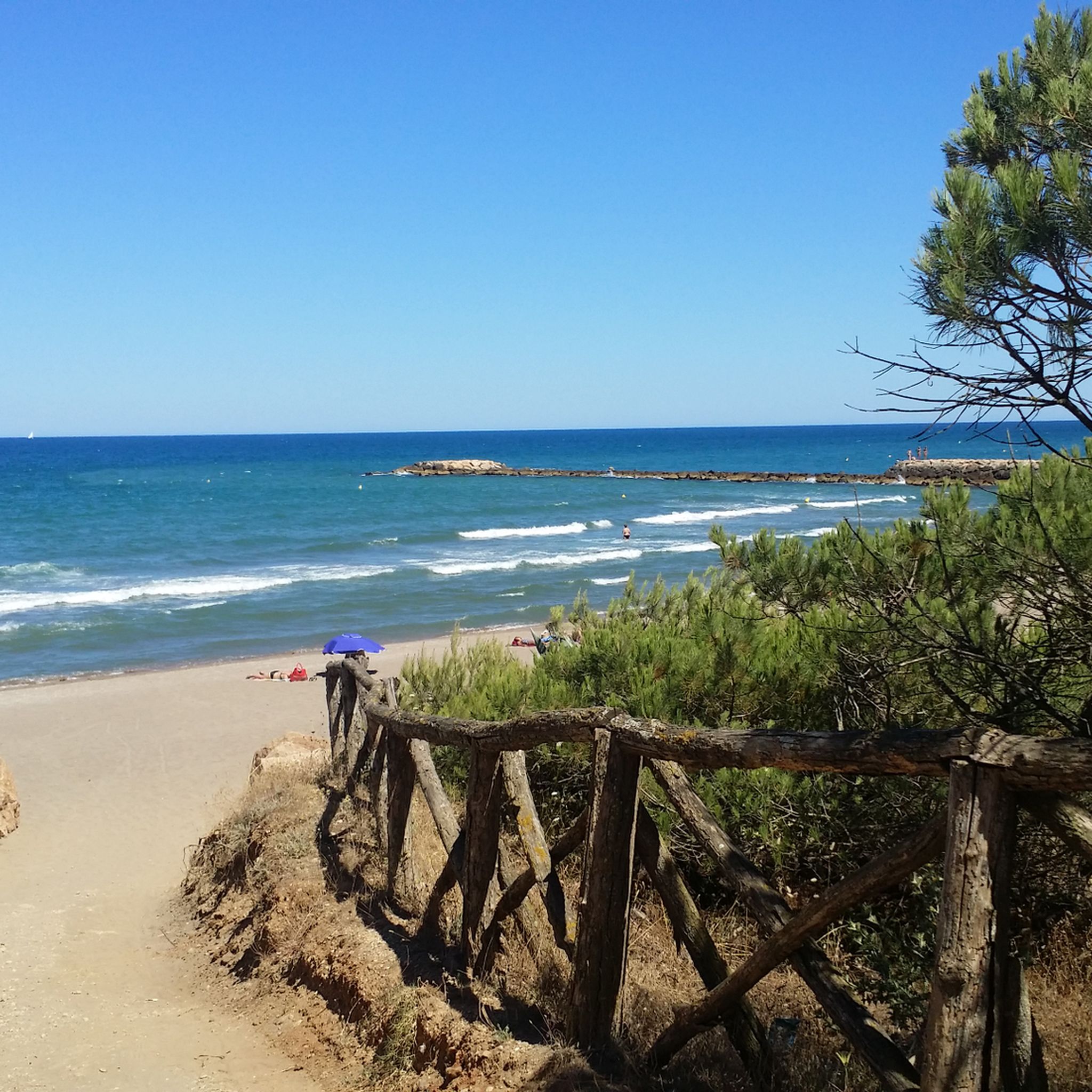
Cycling around Parc Natural del Montgrí, les Illes Medes i el Baix Ter
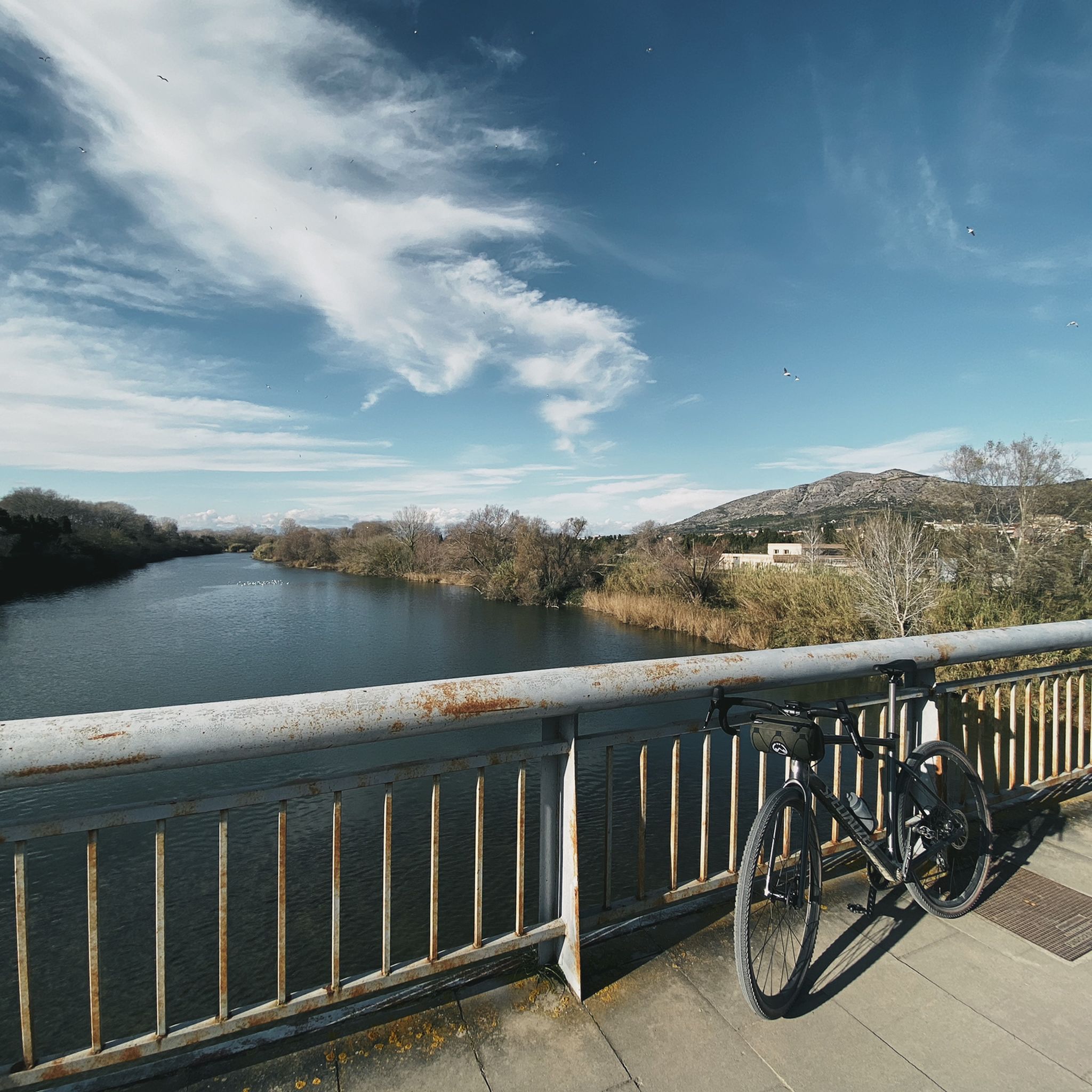
Road Cycling Routes around Parc Natural del Montgrí, les Illes Medes i el Baix Ter

Gravel biking around Parc Natural del Montgrí, les Illes Medes i el Baix Ter
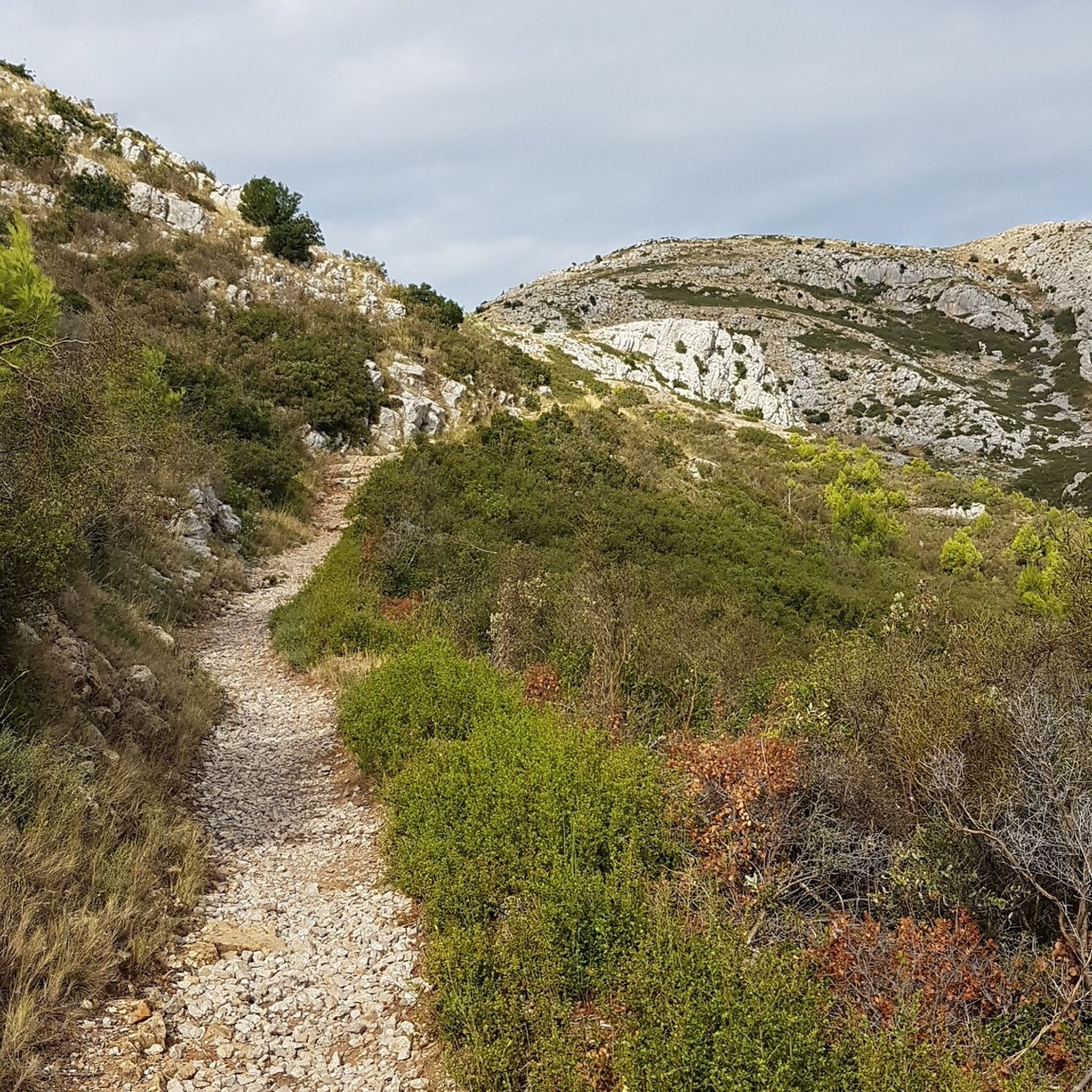
MTB Trails around Parc Natural del Montgrí, les Illes Medes i el Baix Ter

Mountain Hikes around Parc Natural del Montgrí, les Illes Medes i el Baix Ter
Other adventures around Parc Natural del Montgrí, les Illes Medes i el Baix Ter

Tips from the Community

nice walk from the emporda campsite, but allow more time to tour the castle
1
0

https://www.youtube.com/watch?v=a8nioZH4ktk Around the year 1390, three ascetic monks who came from the monastery of Montserrat, Bertomeu Caboters, Pere Tarasacó and Berenguer de Güell, founded the hermitage in a place called Font Aribosa, a source from which clean, clear water flowed. In this place they invoked Saint Caterina, but not before obtaining permission from the king of Aragon, owner of the village and the Montgrí mountain itself. The hermitage of Santa Caterina has undergone different reforms. We cannot forget that in 2004, a terrible fire burned the entire forest near the hermitage and a large part of the Montgrí massif, only some trees near the hermitage were saved from the burning. For many years the hermitage was inhabited by hermits who subsisted thanks to the garden and the water well. After their death, the City Council entrusted the administration of the hermitage to a board of four neighbors, who are currently in charge of its administration and maintenance.
1
0

The Montgrí massif culminates in the Montplà summit. Taking into account that the surrounding towns are at sea level, its 310 meters give it a 360 degree panoramic view. In addition, you can also see the archipelago of the Medas Islands.
2
1

Medieval archaeological site that belongs to the municipality of Torroella de Montgrí, made up of a small Romanesque temple in ruins and the remains of a small town, which would have its origin in Roman times (2nd century BC). The remains of the church indicate that it was a temple with a single nave, rectangular in plan, without a prominent portal. It is considered that the church dates from the 13th century and would be framed in the late Romanesque or primitive Gothic, since its architecture maintains the essential elements of the advanced Romanesque present in the region, such as a pointed vault or double spill windows. As for the Roman villa, ceramic remains have been found, and the villa itself would have been of considerable size, being very close to the Empúries road, an ancient Roman road that crossed the Montgrí massif.
2
0

Hermitage founded in 1392 by three hermit monks from Montserrat. The sanctuary has suffered different remunerations over the years, among which those made during the 17th and 18th centuries stand out, forming what is the current construction.
0
0
Peak of 310 meters of altitude found in the Montgrí Massif, in the municipality of Torroella de Montgrí. It is the highest mountain in the Macizo del Montgrí, but Montgrí Castle surpasses it in height.
0
0

The hermitage is hidden inside the Massís del Montgrí, specifically in the Santa Caterina valley. From the hermitage you can see Montgrí Castle.
4
0

Nice hike to Pedrosa Bay, super clear water, just great for snorkeling, small schools of fish, catfish and other inhabitants are great to watch 🐠🦀 Also a dream for dog owners 🥰🐶 Tip; Waterproof shoes as the stones hurt!
0
1
Frequently Asked Questions
What natural features can I explore in the Parc Natural del Montgrí, les Illes Medes i el Baix Ter?
The park offers a diverse range of natural features. You can visit the Montplà Summit for 360-degree panoramic views, including the Medes Islands. The Medes Islands themselves are a world-renowned marine reserve, ideal for observing rich marine life. The Baix Ter area features important wetlands like the Gola del Ter, which are a haven for numerous bird species. Additionally, the Montgrí Massif boasts rugged coastlines with cliffs and secluded coves, such as Pedrosa Cove, known for its clear water and snorkeling opportunities.
Are there historical sites to visit in the region?
Yes, the area is rich in history. The prominent Montgrí Castle, a 13th-century military fortification, stands atop the Montgrí Massif offering extensive views. You can also find the Hermitage of Saint Catherine, a moderate-sized hermitage nestled in a valley. Another significant site is the Santa Maria del Palau Archaeological Site, which includes ruins of a Romanesque temple and remnants of a small town dating back to Roman times.
What kind of outdoor activities can I do near these attractions?
The park is excellent for various outdoor activities. You can enjoy hiking and cycling on a network of signposted itineraries. Water sports are popular around the Medes Islands, including scuba diving, snorkeling, kayaking, and sailing. The wetlands of Baix Ter are perfect for birdwatching. For specific hiking routes, you can explore options like the "View of the Cross of Montgrí – Montgrí Castle loop from Torroella de Montgrí" or "Aigua Cave – View of L'Estartit loop from l'Estartit" available in the Mountain Hikes and Easy Hikes guides.
Are there easy hiking trails suitable for all skill levels?
Yes, there are several easy hiking trails available. For instance, the "Santa Maria de Palau – Curved Tree loop from l'Escala" and the "Cami dels Termes Trailhead – Montgó Beach loop from l'Escala" are good options. You can find more easy routes in the Easy Hikes around Parc Natural del Montgrí, les Illes Medes i el Baix Ter guide.
Can I go cycling in the Parc Natural del Montgrí, les Illes Medes i el Baix Ter area?
Absolutely. The park offers routes for road cycling, traversing plains and coastal paths. You can find routes like "Illes Medes and return through the Rustik Emporda" or longer, more challenging options such as "Palau-Sator village – La Ganga Pass from Calonge loop from Llacunes de Ter Vell." Explore these and more in the Road Cycling Routes around Parc Natural del Montgrí, les Illes Medes i el Baix Ter guide.
What are the Medes Islands known for?
The Medes Islands are renowned as a world-class marine reserve. This archipelago of seven islets is celebrated for its spectacular seabed, rich maritime flora and fauna, and impressive coralline walls. It's considered a paradise for scuba divers, offering underwater caves and tunnels to explore. Boat tours are also a popular way to experience the islands and observe the abundant marine life.
Is the area suitable for families or those with dogs?
Yes, the region offers options for families and dog owners. Pedrosa Cove, for example, is noted as a dream for dog owners, with clear water suitable for snorkeling. Many trails and coastal areas are accessible for walks with pets, though it's always advisable to check specific regulations for protected areas or beaches.
Where can I find the best viewpoints in the park?
For breathtaking views, head to the Montplà Summit, which provides a 360-degree panoramic vista, including the Medes Islands. Montgrí Castle also offers a wide view over the Alt- and Baix Empordà, the lowlands of the Ter, and the Mediterranean Sea. The rugged coastline of the Montgrí Massif also features numerous scenic spots.
What kind of wildlife can I expect to see?
The park is a haven for diverse wildlife. The Medes Islands are particularly vibrant with marine life, making them excellent for diving and snorkeling. The wetlands of Baix Ter, including the Gola del Ter, are crucial refuges for numerous water birds, with 189 identified bird species in the park, including seabirds, rock birds, and birds of prey.
Are there any less crowded beaches or coves?
Yes, the Montgrí Massif's rugged coastline features secluded coves. Pedrosa Cove is described as a small, quiet bay with clear water, making it ideal for those seeking a more tranquil experience for swimming and snorkeling away from larger crowds.
What is the best time to visit the Parc Natural del Montgrí, les Illes Medes i el Baix Ter?
The park can be enjoyed year-round, but spring and autumn generally offer pleasant temperatures for hiking and exploring, with fewer crowds than the peak summer months. Summer is ideal for water activities around the Medes Islands and enjoying the beaches, though it can be busier. Birdwatching is particularly rewarding during migration seasons in spring and autumn in the Baix Ter wetlands.
Where can I get more information about the park and its trails?
Comprehensive information and itineraries are available at the Museum of the Mediterranean Sea and the tourist offices in L'Estartit and Torroella de Montgrí. You can also find general information about the region on Wikivoyage.
Most popular routes around Parc Natural del Montgrí, les Illes Medes i el Baix Ter
Most popular attractions around Parc Natural del Montgrí, les Illes Medes i el Baix Ter

Get inspired with the komoot mobile app


Explore more
Still not found the Highlight you’re looking for? See guides of the top attractions in other regions:
